
Last updated November 15, 2026
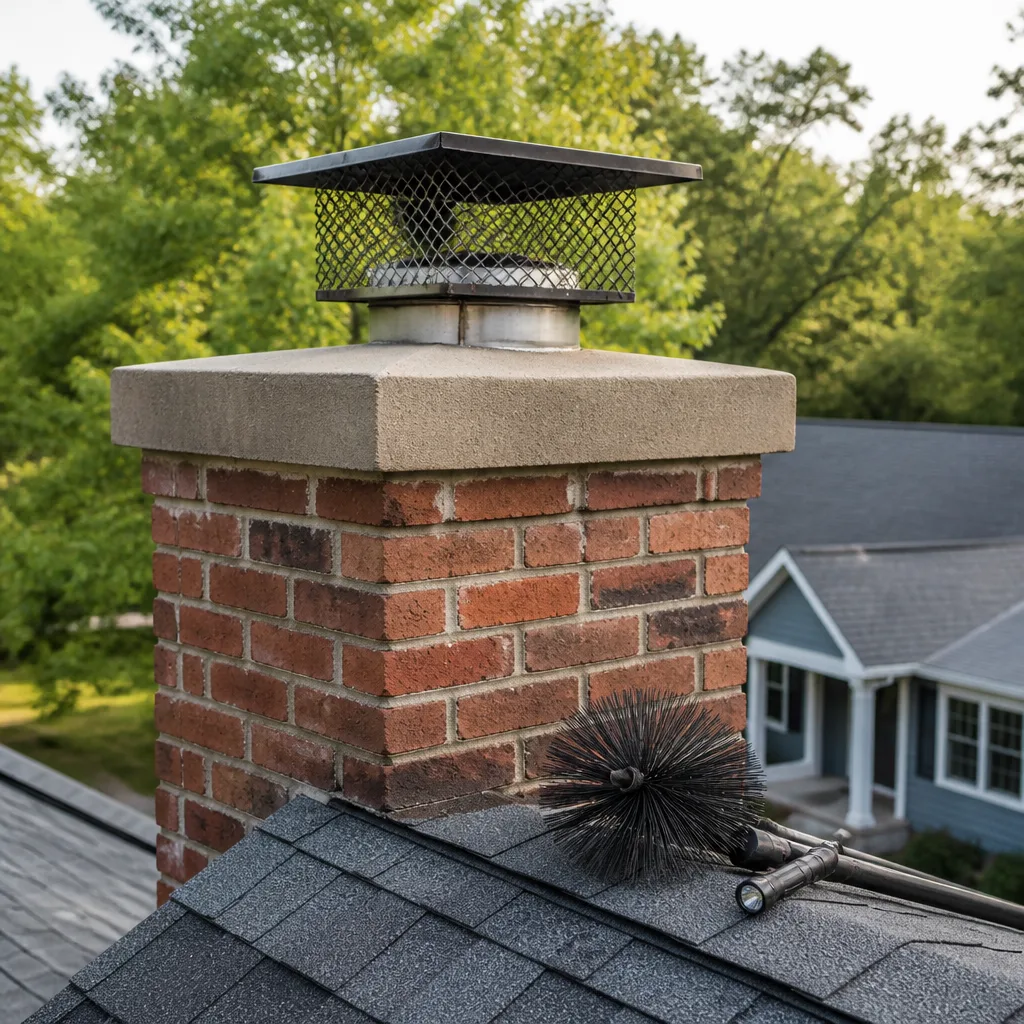 Sweep & inspection
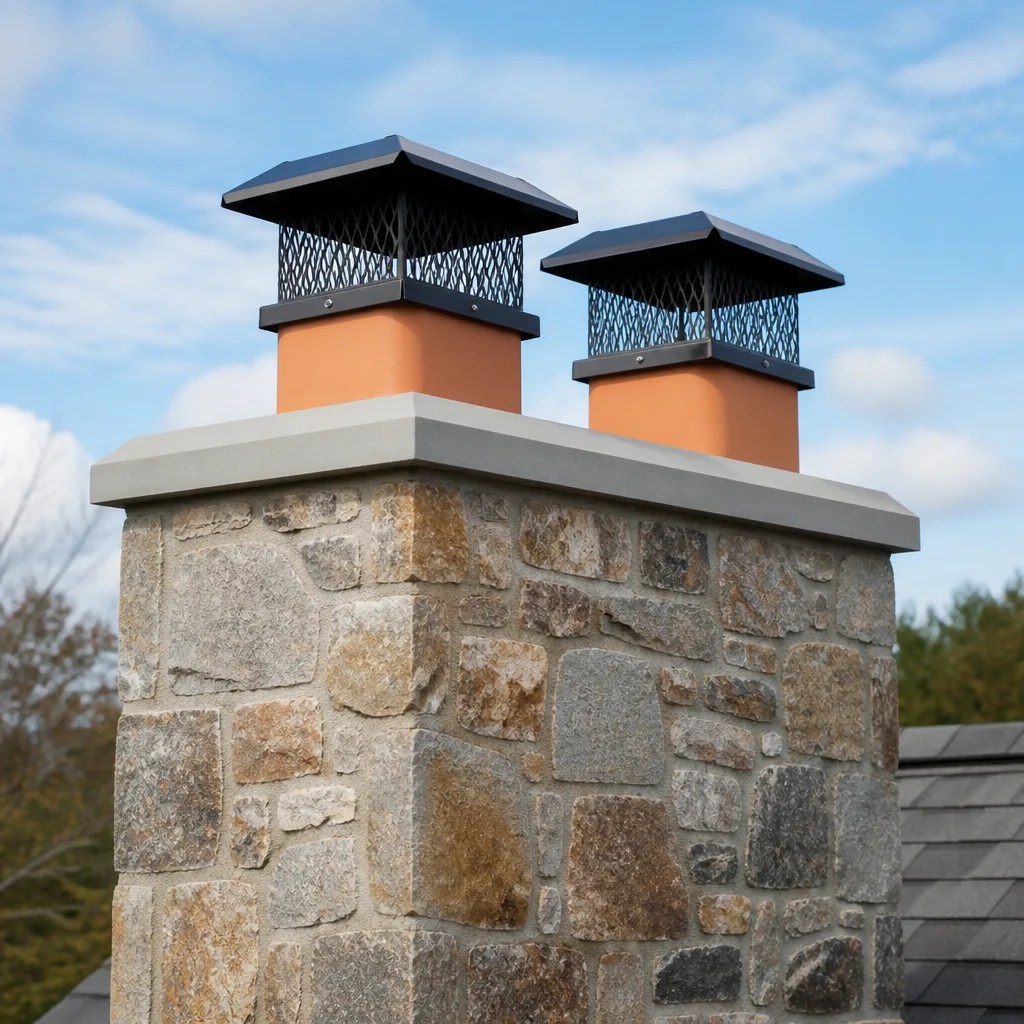 Caps & crowns
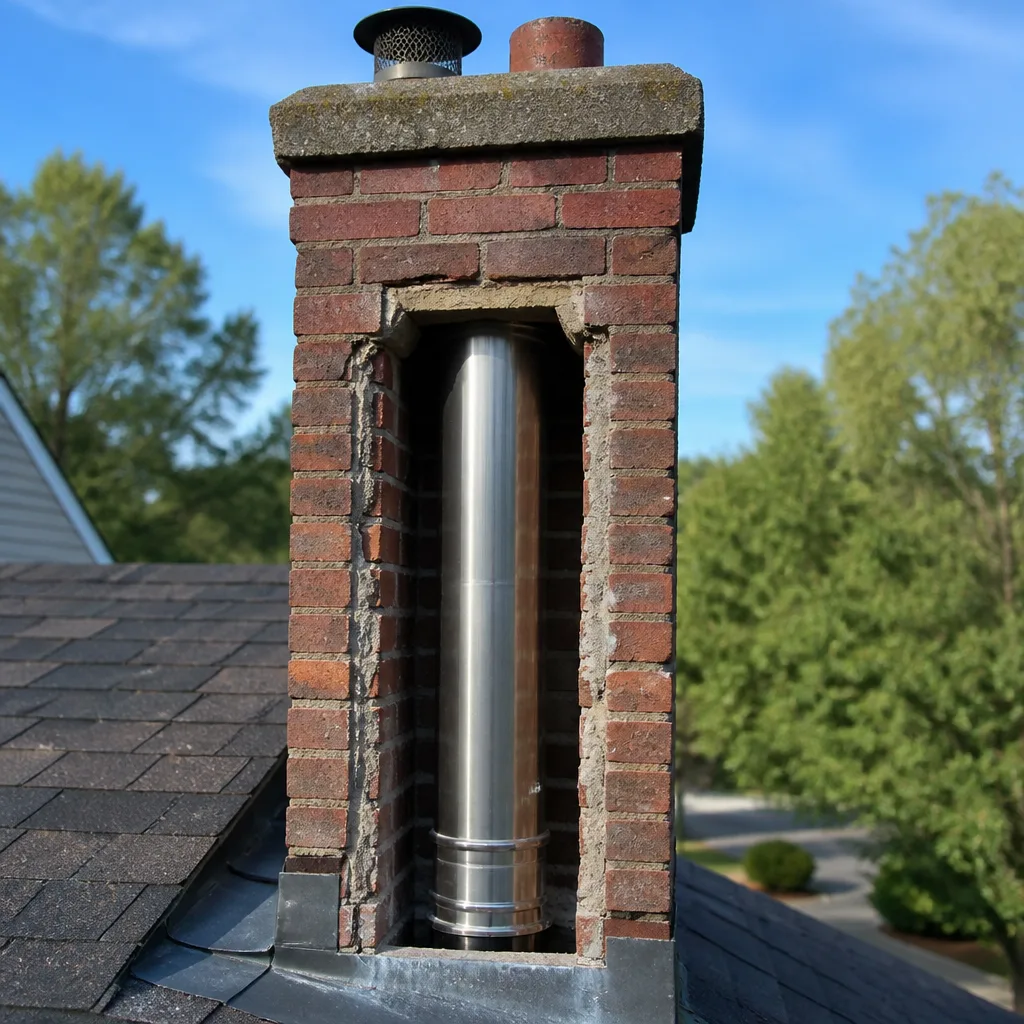 Flue relining
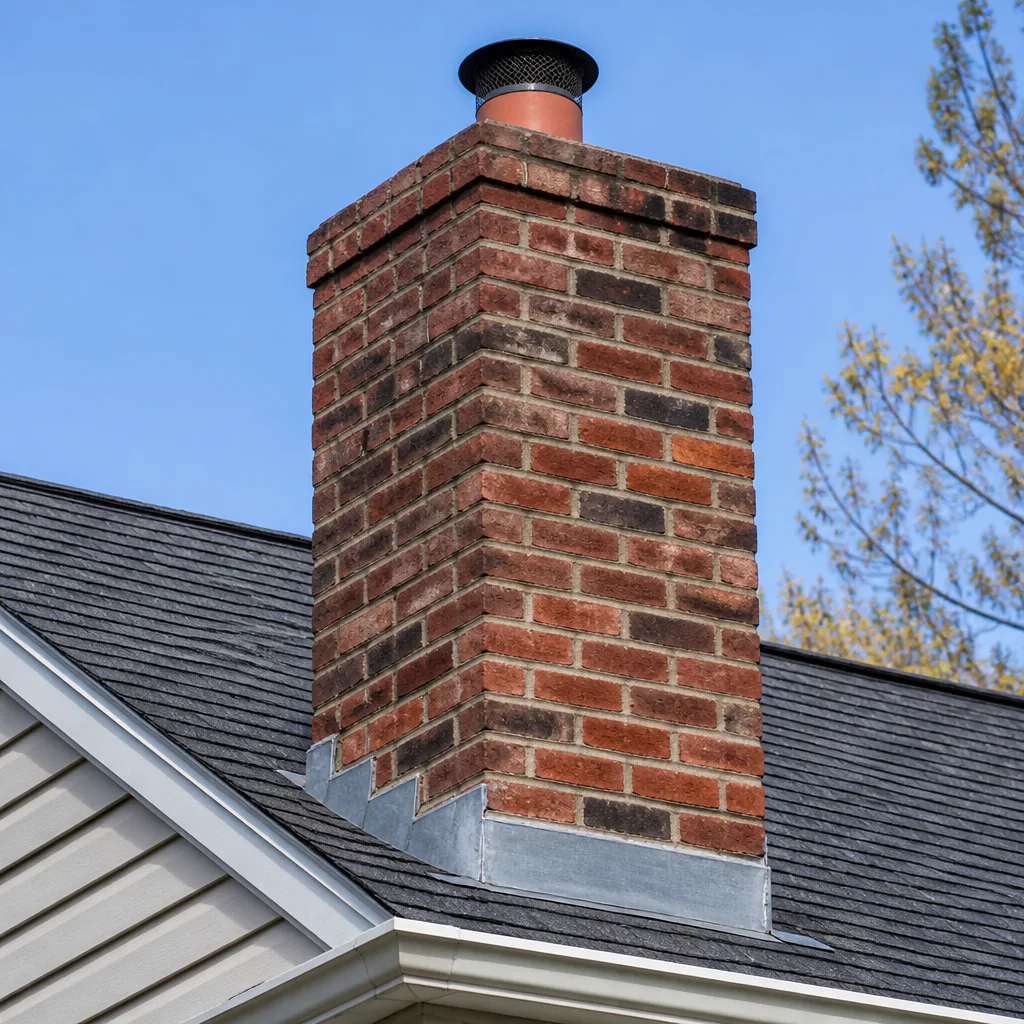 Masonry repair
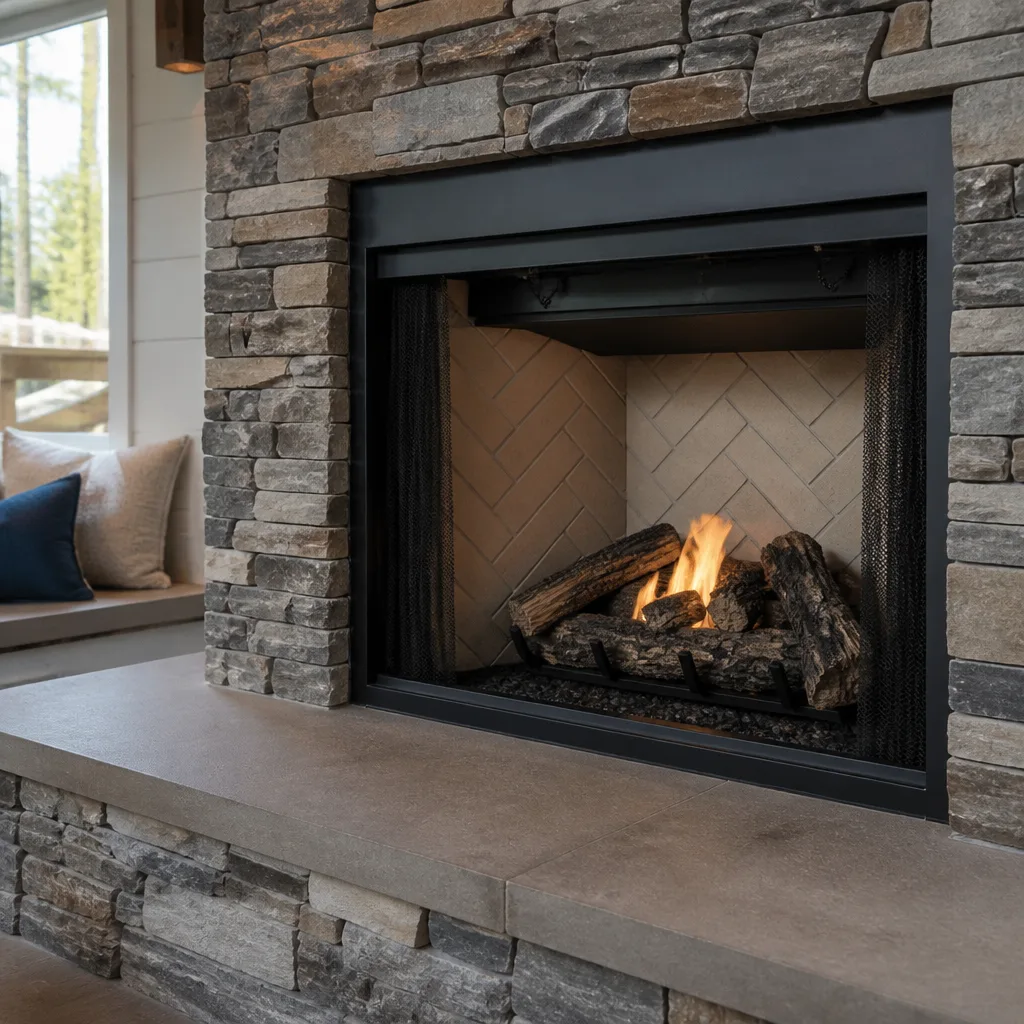 Gas fireplace service
Level 1 sweep and inspection to the NFPA 211 annual standard - flue, crown, cap, and flashing checked and photographed
Chimney sweep logs do not sweep chimneys. They loosen some creosote - which then falls where a brush and vacuum still have to collect it.
Seasonal Chimney Cleaning Care for Murfreesboro: Year-Round Homeowner’s Guide
Most chimney advice arrives in October, when every sweep in town is booked and the first cold snap is already in the forecast. That timing gets one season right and the other three wrong. In Murfreesboro, your chimney faces four distinct kinds of stress across the calendar year, and the problems that cost the most are the ones that start quietly in spring and summer, long before anyone builds a fire. This guide walks through what each season does to a chimney here, what to look for, and when to book work so you’re never caught waiting. We’ll cover spring nesting season, summer moisture, the September booking window, and the mid-winter warning signs worth acting on.
Styles & brands we work with
- Sweep & inspection
- Caps & crowns
- Flue relining
- Masonry repair
- Gas fireplace service
Quick Answer
Chimney care in Murfreesboro works best on a four-season rhythm: inspect and photograph the exterior in spring after winter stress, check the cap and crown before summer humidity sets in, book your sweep in September before the fall rush, and watch for smoke rollback, odor changes, and heavy soot during winter use. Chimneys that see year-round attention catch small failures – a cracked crown, a loose cap, a thin creosote glaze – while they’re still cheap to fix. Chimneys that get only an annual fall sweep tend to discover the same problems after they’ve spread into the masonry or the liner.
Table of Contents
- Spring: What Winter Left Behind, and Why It’s the Best Time to Repair
- Chimney Swifts and the Protected Nesting Window
- Summer: Heat, Humidity, and the Cap-and-Crown Window
- Fall: The September Booking Window and What a Pre-Season Sweep Covers
- Winter: Mid-Season Warning Signs You Can See Yourself
- Annual vs. Biannual: How Often Your Murfreesboro Chimney Really Needs Service
- Gas, Wood, and Pellet: How Fuel Type Changes the Calendar
- Common Mistakes to Avoid
- When to Call a Professional
- Frequently Asked Questions
Spring: What Winter Left Behind, and Why It’s the Best Time to Repair
Spring is when a chimney shows you its winter damage. Freeze-thaw cycles are the main cause. Murfreesboro gets plenty of nights below freezing followed by mild days, and that cycle works on any masonry joint that’s already absorbing water. Water gets into a hairline crack, freezes, expands, and widens the crack a little more each time. By March, mortar joints that looked fine in November can be crumbling, and brick faces can be flaking or peeling – that’s spalling, and it’s a sign the masonry is saturated.
The reason spring is the right season for repair isn’t just that the damage is visible. It’s that demand is low. Every chimney company in the area is quiet in March and April, which means a masonry repair, a crown rebuild, or a liner job can be scheduled without waiting behind a hundred pre-winter sweeps. If you’ve been putting off a repair that isn’t urgent, spring is when it’s cheapest to schedule and easiest to fit in.
Here’s what to check from the ground after winter:
- Spalling brick. Look for brick faces that are flaking, pitted, or sitting in piles of debris on the roof or in the yard. That’s masonry breaking down, not just aging.
- Mortar joints. Recessed or crumbling joints between bricks mean water has been working in. Wide, eroded joints near the crown are the first to go.
- Crown cracks. The concrete cap at the top of the chimney should slope away from the flue. Cracks or a flat or sunken crown let water straight down into the masonry.
- Loose flashing. The metal where the chimney meets the roof is a common leak point. Look for lifted edges, cracked sealant, or staining on the roof decking below.
- Cap damage. A missing, bent, or rusted cap is the single most common cause of the water and animal problems we see in Murfreesboro.
Photograph everything you see and note the date. When you book an inspection, a technician can compare your photos against what they find on the roof – and if you want a documented look before committing to any repair, we show you what we find, with photos of the flue and the exterior. Nothing gets recommended without evidence you can see for yourself.
Chimney Swifts and the Protected Nesting Window
Chimney swifts are small, sooty-gray birds that migrate into Tennessee each spring and nest almost exclusively in masonry chimneys. They arrive around April and stay through the summer, and their nests are built from small twigs glued to the flue wall with saliva. The nest itself isn’t the problem. The problem is that chimney swifts are protected under federal law, and it’s illegal to disturb an active nest, remove it, or perform work in a flue that’s occupied.
This matters more than most homeowners realize. If a swift pair takes up residence in an uncapped Murfreesboro chimney, that chimney is effectively off-limits until the birds leave in late summer or early fall. That means no sweep, no camera inspection, no liner work – nothing that disturbs the nest – during the exact months when you’d normally want to get work done before fall. A homeowner who planned a September sweep and finds an active nest in July may be waiting until October instead.
The fix is simple and it happens before the birds arrive:
- Inspect your cap in late winter or early spring. A properly fitted, intact cap with mesh screening is the only reliable way to keep swifts out. A missing cap or one with torn screening is an open invitation.
- Check for existing nests before booking spring work. If you find twigs, feathers, or nesting debris in the firebox or on the smoke shelf, the flue may be occupied. Don’t light a fire and don’t try to clear it yourself.
- Install or repair the cap before April. Once swifts are in, the window is closed. A new cap from a professional line like Copperfield or Famco, properly sized to your flue, closes that window for good.
If you’re not sure whether your chimney is capped or what size cap it takes, that’s a question worth answering before spring nesting season, not during it. The Murfreesboro area has plenty of older homes with uncapped flues, and a cap is one of the least expensive pieces of chimney work with the biggest payoff.
Summer: Heat, Humidity, and the Cap-and-Crown Window
Summer in Murfreesboro is humid, and humid air is what turns a small masonry problem into a structural one. Masonry is porous. It absorbs moisture from the air, from summer thunderstorms, and from any water that gets past a failed cap or crown. Once the brick is saturated, the water has to go somewhere – and it travels inward, into the mortar, the smoke chamber, and eventually the surrounding framing and ceiling.
The heat matters too. Daytime sun drives moisture out of the masonry surface, and evening humidity pushes it back in. That cycle, repeated for months, works on the same joints that freeze-thaw stressed over winter. Summer doesn’t usually create new cracks. It makes existing ones worse and gives water a clear path inside.
June is the ideal month for a cap and crown inspection because it’s before the heaviest summer storms and well before the fall rush. What we look at:
- The crown. A sound crown is sloped, uncracked, and sealed where it meets the flue. A failing crown is the number one entry point for water into a chimney. HeatShield resurfacing can restore a damaged flue interior without a full liner replacement in the right conditions, and crown repair is a straightforward masonry job when it’s caught early.
- The cap. Rusted, bent, or missing caps let in rain, animals, and debris. A properly fitted cap with screening protects the flue year-round and is the same cap that keeps swifts out in spring.
- The flashing. Roof-to-chimney flashing takes a beating from summer storms. Loose or failed flashing is a common source of water stains on interior ceilings that homeowners mistake for roof leaks.
- The flue interior. If a chimney sat unused all summer, a camera inspection confirms the flue is clear, the liner is sound, and no animals have nested or died inside.
Water damage is the most expensive chimney problem we see, and it’s almost always cheaper to prevent in June than to repair in October. If you’re seeing efflorescence – that white, chalky staining on the exterior brick – that’s a sign the masonry is holding moisture. It’s worth a look before fall.
Fall: The September Booking Window and What a Pre-Season Sweep Covers
If you take one thing from this guide, make it this: book your fall sweep in September. By the third week of October, chimney companies across Murfreesboro are booked solid, and the homeowners who waited are the ones calling in a panic the week before Thanksgiving. September is the sweet spot – the summer humidity has broken, the swifts have left, and the schedule is still open. A September sweep means you start the season with a clean, inspected flue and a written picture of anything that needs attention before you build your first fire.
A proper pre-season sweep isn’t just a brush down the flue. It’s a documented service that should include:
- A visual inspection of the firebox, smoke chamber, damper, and flue. This catches obvious problems before the sweep begins.
- Removal of creosote and soot from the flue. The brush work itself, done with the right size and type of brush for your flue.
- A camera inspection of the flue. A camera confirms the liner is intact, no cracks or gaps are present, and nothing is blocking the flue. This is where a sweep and a proper inspection part ways – a sweep-only crew brushes and leaves. A camera inspection shows you the inside of your own flue.
- A photo report. You should receive photos of what was found, along with a plain-language explanation. If a repair is needed, you should be able to see why.
- A written assessment of what can wait. Not every finding is urgent. A good technician tells you what needs attention now, what can wait a season, and what to monitor.
If the camera inspection turns up a liner problem, the repair conversation depends on what’s actually wrong. A deteriorated flue interior that’s still structurally sound may qualify for HeatShield resurfacing, which restores the flue without a full liner replacement. A flue with gaps, offsets, or a failed liner may need a flexible liner – that’s where DuraFlex and Olympia Chimney product lines come in, and it’s a job that separates a real chimney specialist from a sweep-only operator. Either way, the repair path should be based on what the camera shows, not on what’s easiest to sell.
Book your chimney sweep in September, and if the inspection turns up something, you’ll have time to schedule the chimney repair before the cold arrives – not during it.
Winter: Mid-Season Warning Signs You Can See Yourself
Once the fire is burning regularly, your chimney is telling you things if you know what to watch for. You don’t need to climb on the roof. These are the signals you can observe from inside the house, during active use, that suggest something isn’t working the way it should.
- Smoke rollback. If smoke spills into the room when you open the firebox door or light the fire, the chimney isn’t drafting properly. Causes range from a cold flue to a blockage to a flue that’s undersized for the appliance. Don’t keep burning and hope it clears. Smoke rollback is a sign to stop and get it looked at.
- Odor changes. A strong creosote smell in the room, especially on mild days when the fire is out, usually means creosote has built up in the flue and is off-gassing. A sudden, sharp, or acrid smell is worth a call.
- Excessive soot. If the firebox and glass are sooting up much faster than usual, the fire isn’t burning cleanly. That can point to wet wood, poor draft, or a flue that needs attention.
- Creosote glaze on the flue walls. You can sometimes see this with a flashlight up the flue: a shiny, tar-like coating is stage-three creosote, the kind that fuels chimney fires. It doesn’t brush off easily and needs professional removal.
- Visible cracks or white staining in the firebox. Cracks in the firebox brick or refractory panels, or white staining inside, suggest heat or moisture damage that needs a closer look.
- Debris in the firebox. Twigs, nesting material, or soot flakes falling into the firebox during winter are a sign something is coming down the flue that shouldn’t be.
Creosote is the reason chimney sweeping exists. It’s a byproduct of burning wood, and it accumulates in every wood-burning flue. In its early stages it’s flaky and brushes off. As it builds, it hardens. In its later stages it’s a sticky, tar-like glaze that can ignite. A chimney fire can crack the flue liner, and a cracked liner lets heat and gases reach the framing of the house. That chain of events is why the flue gets cleaned on schedule and why a camera inspection matters – the glaze you can’t see is the one that causes problems.
If you see any of these signs mid-season, don’t wait for spring. Call and get it inspected. A mid-winter inspection can often be scheduled within days even when the fall rush is over.
Annual vs. Biannual: How Often Your Murfreesboro Chimney Really Needs Service
There’s no single answer to how often a chimney needs sweeping, because it depends on what you burn and how much. The general industry guidance is that a chimney should be inspected annually and swept when there’s a buildup of creosote – roughly a quarter-inch or more. In practical terms for a Murfreesboro household, that breaks down like this:
- Gas fireplace or gas insert: Annual inspection. Gas burns clean, so there’s little creosote, but the flue still needs to be checked for blockages, venting problems, and the condition of the liner and cap. An annual inspection catches venting issues that a sweep wouldn’t.
- Wood-burning fireplace, occasional use (a few fires a week in winter): Annual sweep and inspection. Most Murfreesboro wood-burning households fall here. One good cleaning per season, booked in September, covers it.
- Wood-burning fireplace, heavy use (daily fires through winter): Biannual sweep, one in fall and one mid-season. Heavy use builds creosote faster, and a mid-season sweep catches glaze before it hardens.
- Wood stove or insert, heavy use: Biannual sweep, and possibly more depending on the appliance and how dry your wood is. Wood stoves run hotter and longer than open fireplaces.
- Pellet stove: Annual service and inspection, with more frequent cleaning of the venting depending on use.
Burn quality matters as much as burn frequency. Seasoned wood – split and dried for at least a year – burns hotter and cleaner than green or unseasoned wood, which produces more creosote. If you’re burning wood that hisses or smokes heavily at the ends, you’re building creosote faster than you should. Store your wood covered and off the ground, and bring it inside only a day or two before burning.
The one piece that doesn’t vary: an annual inspection. Even a gas fireplace with no creosote needs a yearly look at the liner, cap, and venting. If you’re not sure which schedule fits your household, a technician can tell you after one inspection. A Goodwin Chimney Sweep inspection gives you a documented baseline, and from there the schedule is based on what you actually burn, not a generic recommendation.
Gas, Wood, and Pellet: How Fuel Type Changes the Calendar
Fuel type is the single biggest variable in a chimney care schedule, and it changes not just how often you sweep, but when certain risks peak.
Gas fireplaces and inserts don’t produce creosote, so the sweep calendar barely applies. What they do need is a yearly inspection of the venting, the cap, and the liner – and a check for condensation, which can corrode metal venting over time. Gas also carries a carbon monoxide risk if venting fails, which is why the annual inspection isn’t optional even though the flue stays clean. A blocked or disconnected vent on a gas appliance is the kind of problem that a camera inspection catches and a visual glance from the ground won’t.
Wood-burning fireplaces and stoves are the creosote producers, and they drive the September sweep, the mid-season check, and the spring exterior inspection. Wood is the fuel that makes the four-season rhythm matter most. The creosote that builds over winter is what makes spring the right time for a follow-up inspection if you burned heavily – you want to know whether a mid-season sweep actually cleared the glaze, or whether the flue needs more attention before next fall.
Pellet stoves burn cleaner than wood but still produce ash and need venting service. The venting on a pellet stove is the part that needs attention, and it’s worth an annual look along with the appliance itself.
One more Murfreesboro-specific factor: humidity. A gas insert vented through an exterior wall, or a wood stove in an unconditioned space, sees more condensation in a humid Tennessee summer than the same setup would in a drier climate. That condensation is a corrosion risk for metal venting and a moisture source for masonry. A June inspection catches it before it becomes a repair.
Common Mistakes to Avoid
- Booking the sweep in October. By mid-October, most Murfreesboro chimney companies are booked for weeks. The homeowners who wait are the ones burning a fire in a flue they haven’t had looked at. Book in September instead.
- Skipping the cap because it “looks fine from the ground.” Cap damage is hard to see from the ground, and a missing or torn cap is the most common route for water, animals, and swifts into a chimney. Have it checked from the roof during an inspection.
- Burning unseasoned wood to save money. Green wood produces far more creosote than seasoned wood. The savings on cheap firewood get paid back in a faster-glaze buildup and more frequent sweeps.
- Ignoring chimney swifts and trying to clear a nest. Active nests are federally protected, and disturbing one is illegal. If you find nesting debris, leave it and call a professional to assess whether the flue is active.
- Treating a sweep and an inspection as the same thing. A brush down the flue is not an inspection. Without a camera inspection, you don’t actually know what’s inside your liner. Ask for the camera and the photo report.
- Putting off non-urgent repairs until they become urgent. A hairline crown crack in April is a small masonry job. The same crack in October is a rushed repair, or a water-damaged ceiling by spring. Spring is the cheapest, easiest time to fix what winter found.
- Burning with a known draft problem. Smoke rollback, a strong creosote odor, or a fire that won’t draw are signs to stop and get an inspection. Continuing to burn just pushes more heat and gases through a system that isn’t working.
When to Call a Professional
Some chimney work is a judgment call. Some isn’t. Call a professional if you see smoke rolling into the room during use, if you smell a strong creosote odor when the fire is out, if you find cracked or crumbling masonry on the exterior, if you’ve had a chimney fire (even a small one), or if you’re not sure when your flue was last cleaned. Call before you light the first fire of the season if the chimney hasn’t been inspected in the last year. And call if you’re planning a repair and want to know whether it can actually wait – a technician with a camera can tell you the difference between a problem that needs attention now and one that can be monitored for a season.
Goodwin Chimney Sweep offers free estimates in Murfreesboro – call (844) 372-0461. We answer 24/7. Fast dispatch from 7am to 7pm, Sunday through Friday. Sweep, inspection, and repair are handled by the same company, so you don’t get handed off after the inspection finds something. Our technicians have up to 9 years of experience, and we work with professional lines like DuraFlex and Olympia Chimney for liner work and HeatShield for flue resurfacing. We show you what we find, with photos and plain talk, and we tell you plainly when work can safely wait.
Frequently Asked Questions
Most wood-burning households in Murfreesboro need an annual sweep and inspection, with a biannual sweep for heavy daily use or wood stoves. Gas fireplaces need an annual inspection even though they don’t produce creosote. The right schedule depends on what you burn and how often, and a technician can tell you after one inspection. Call (844) 372-0461 for a free estimate – we’ll tell you honestly whether you need annual or biannual service based on what we actually find.
Skipping chimney cleaning lets creosote build up in the flue, and creosote is what fuels chimney fires. In its later stages it becomes a sticky, tar-like glaze that can ignite, and a chimney fire can crack the flue liner and let heat reach the framing of the house. Skipping also means missing the early signs of water damage, spalling masonry, and liner problems that are cheap to fix early and expensive to fix late. Call (844) 372-0461 to get a sweep on the schedule before the fall rush.
Yes. Chimney swifts are federally protected, and an active nest cannot legally be disturbed, which means no sweep, inspection, or repair can be done in that flue until the birds leave in late summer or fall. The way to avoid it is to check your cap in late winter or early spring and have it repaired or replaced before April, when swifts arrive. Call (844) 372-0461 to schedule a cap inspection before nesting season.
September is the best month. The summer humidity has broken, chimney swifts have left, and the fall booking rush hasn’t started. By mid-October most companies are booked for weeks, and a pre-season sweep in September gives you time to schedule any repair the inspection turns up. Call (844) 372-0461 to get on the September schedule early.
A sweep is not an inspection. A camera inspection shows you the inside of the flue – the liner, any cracks or gaps, and any creosote glaze that brushing alone won’t remove – and that’s the evidence a repair recommendation should be based on. Without it, you can’t know whether your liner is sound. Call (844) 372-0461 to schedule a sweep with a camera inspection and a photo report included.
White, chalky staining on the exterior brick (efflorescence), spalling or flaking brick faces, crumbling mortar joints, and water stains on interior ceilings near the chimney are all signs of water damage. A failing crown is the most common cause, and a damaged cap is second. A June inspection catches it before the summer storms make it worse. Call (844) 372-0461 for a free estimate on crown and cap repair.
The Bottom Line
Caring for a chimney in Murfreesboro is a four-season job, not a fall errand. Spring shows you what winter did and is the easiest time to repair it. Early summer is when a cap and crown check prevents the water damage that costs the most. September is the booking window that keeps you out of the October rush. Winter is when the signs of a real problem – rollback, odor, heavy soot – show up during active use. The households that stay ahead of it are the ones that keep a cap in good shape, sweep on a schedule that matches what they actually burn, and get a camera inspection so a repair recommendation is never a guess.
For Murfreesboro homeowners, that’s a manageable routine once it’s set. Call (844) 372-0461 for a free estimate. We answer 24/7. Fast dispatch from 7am to 7pm, Sunday through Friday. We’ll show you what we find and tell you plainly what can wait.
Written by the team at Goodwin Chimney Sweep.
See the difference
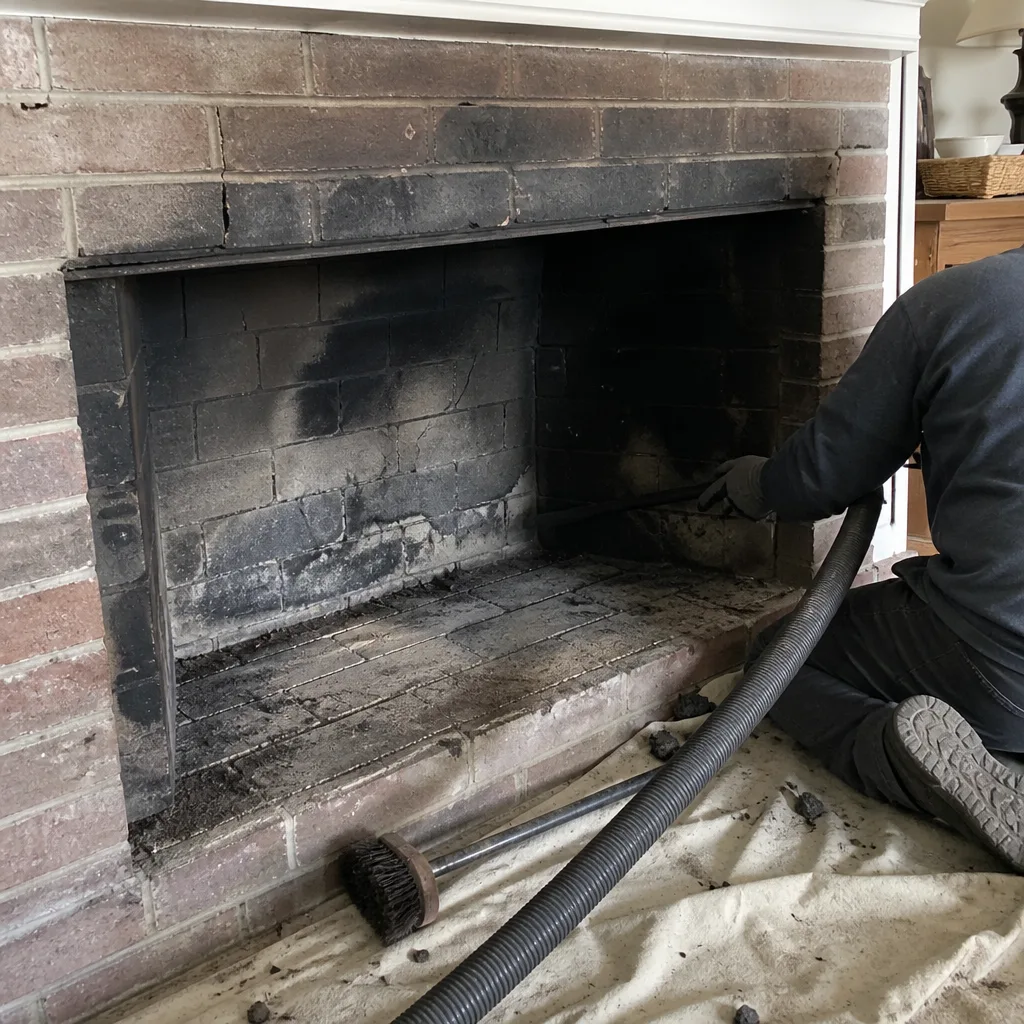 Before
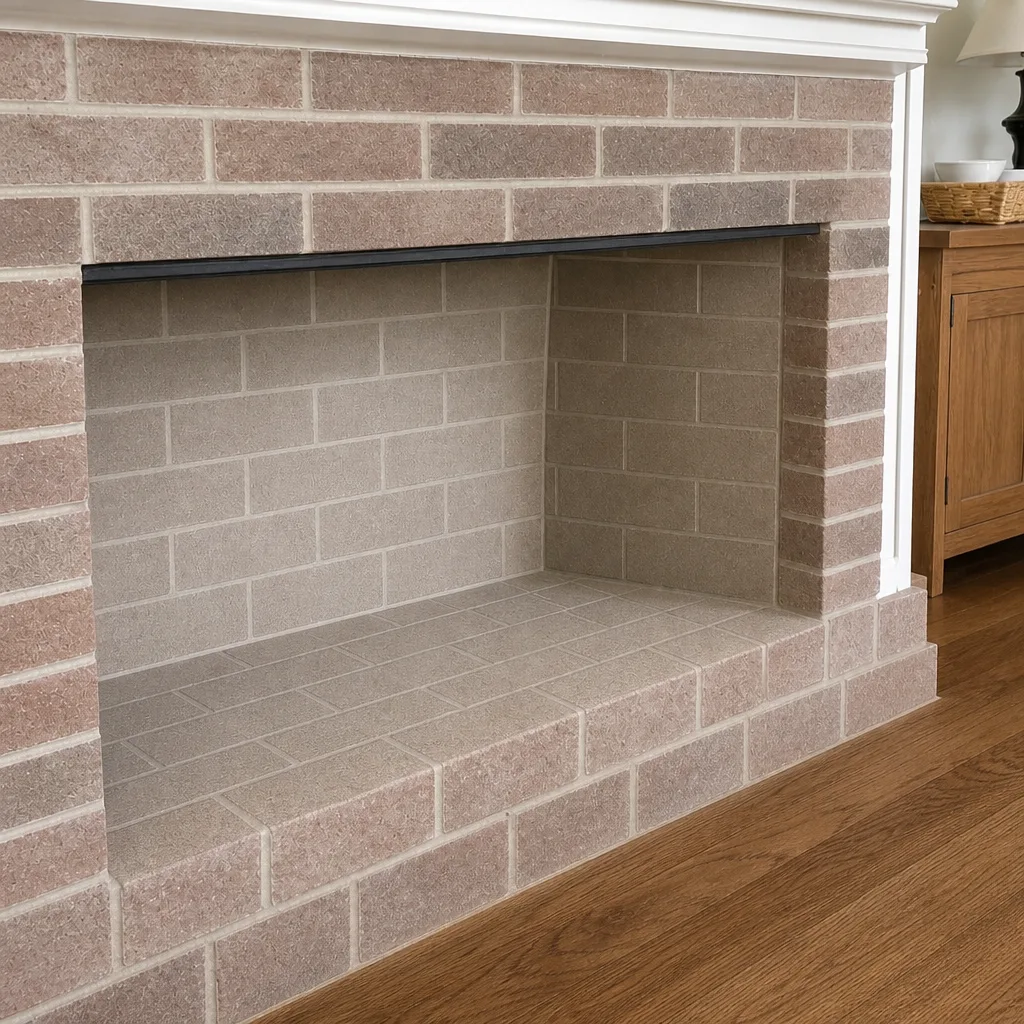 After
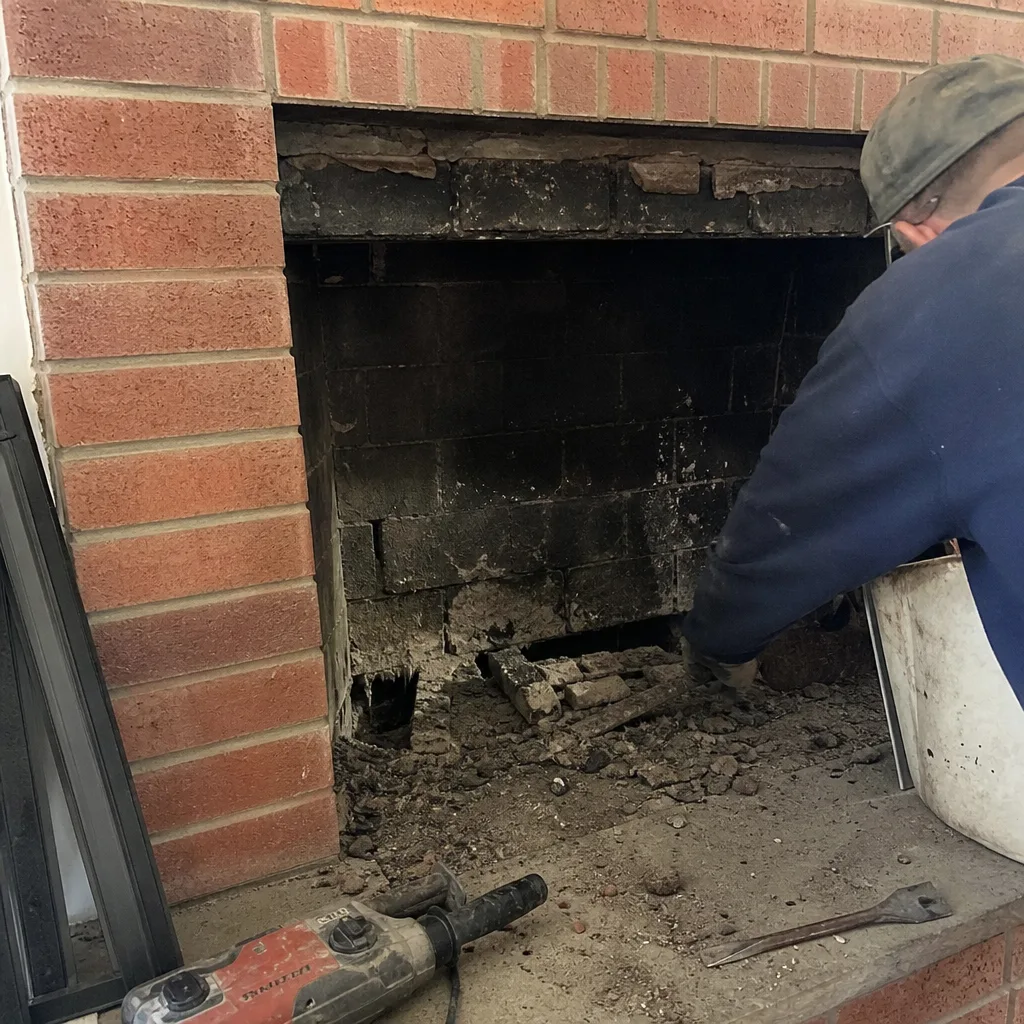 Before
 After
 Before
 After