
Last updated November 15, 2026
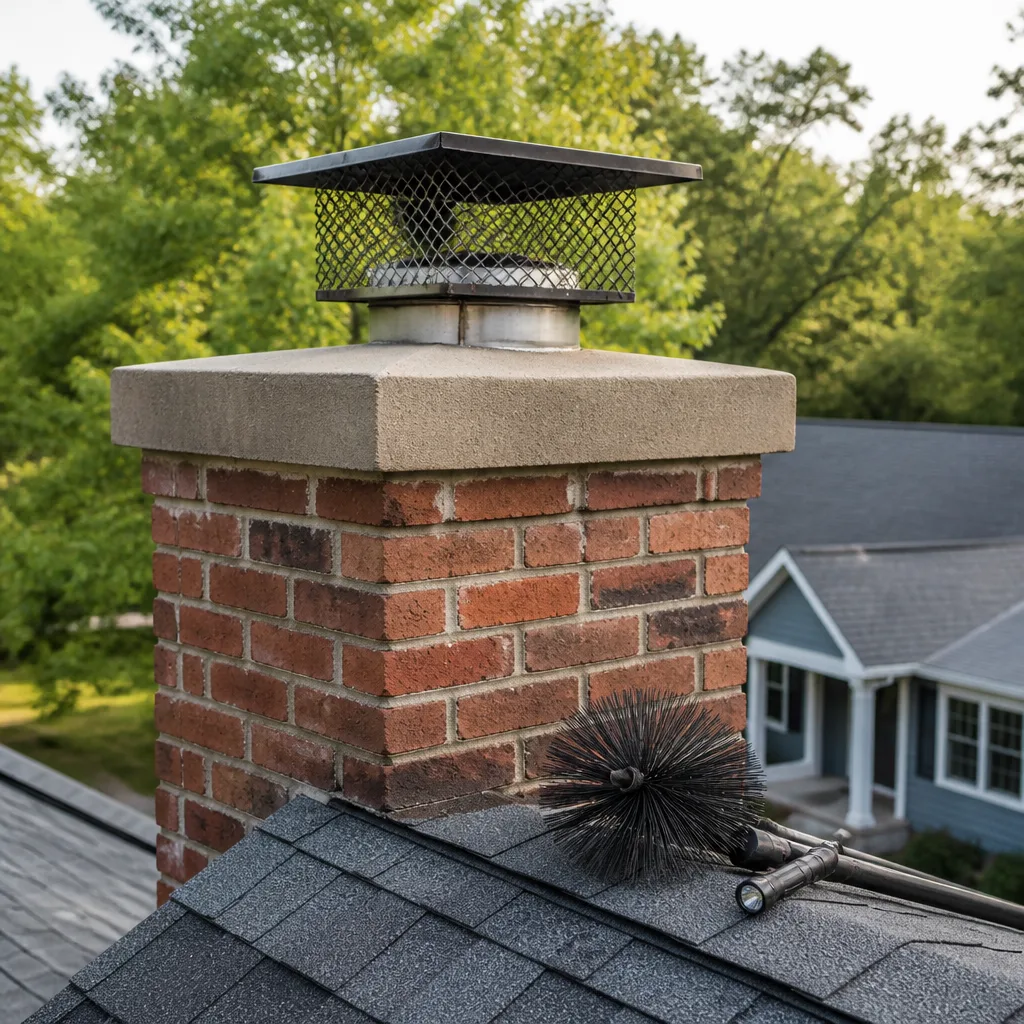 Sweep & inspection
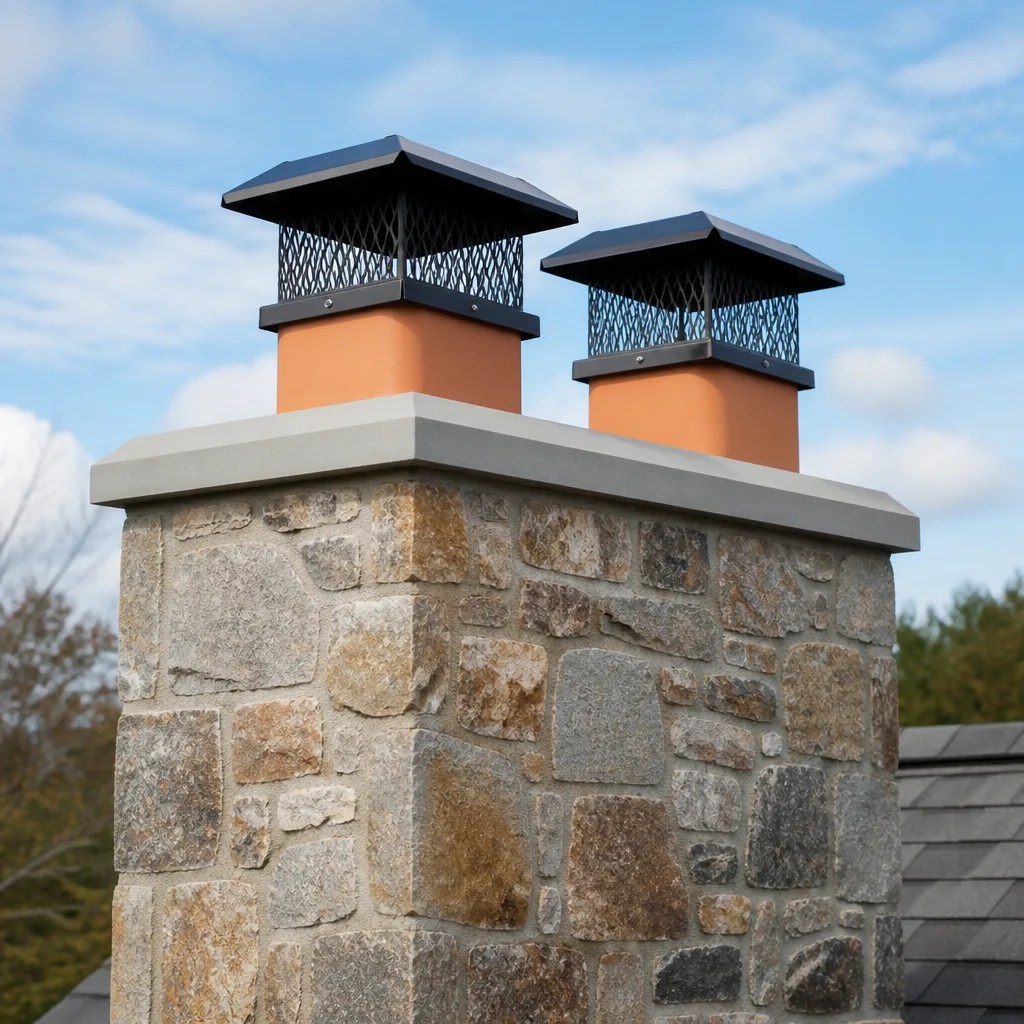 Caps & crowns
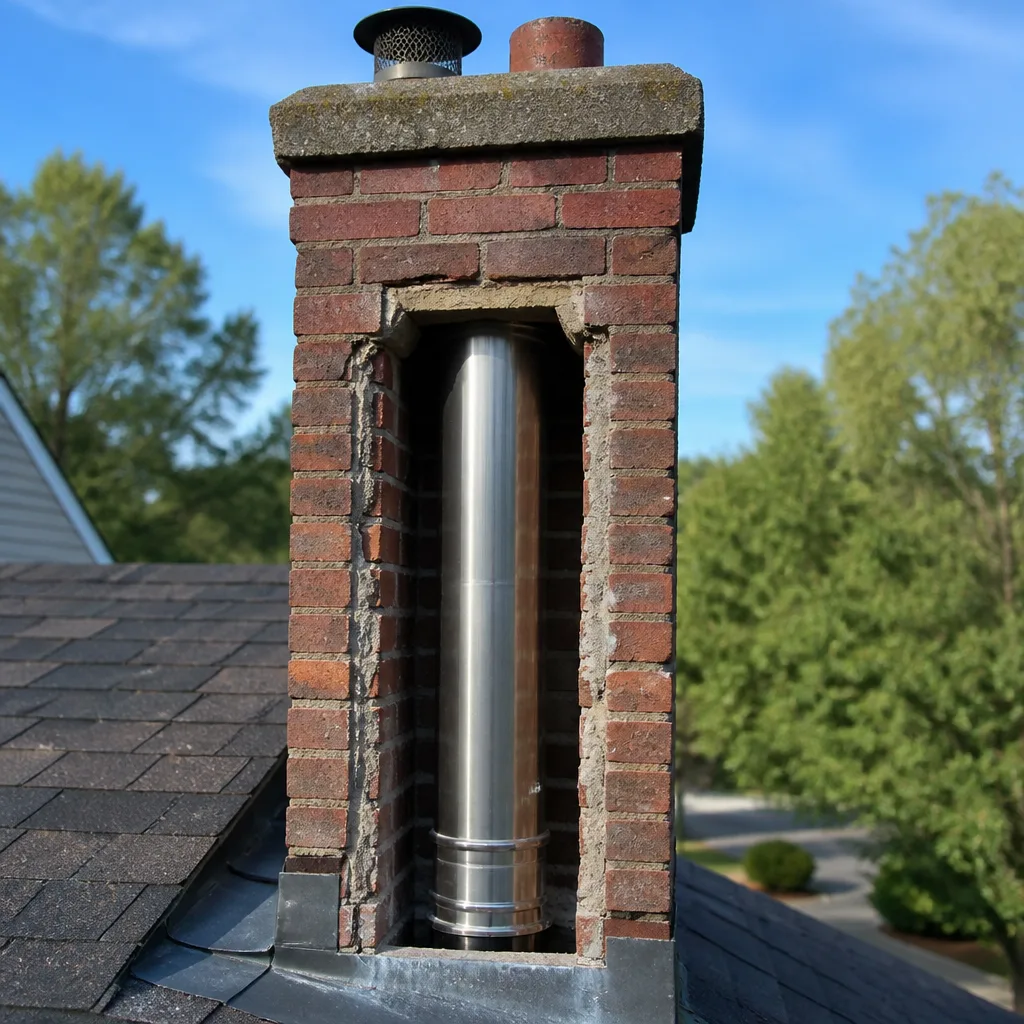 Flue relining
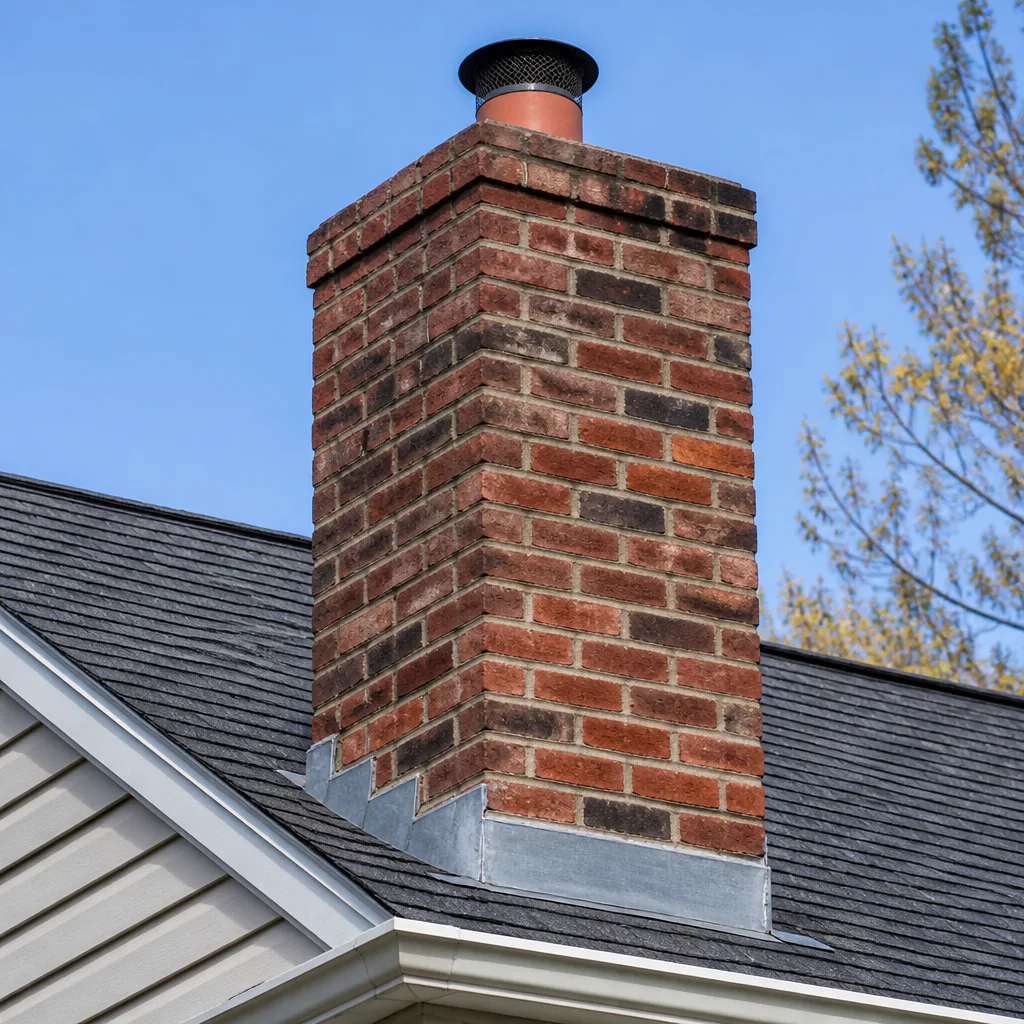 Masonry repair
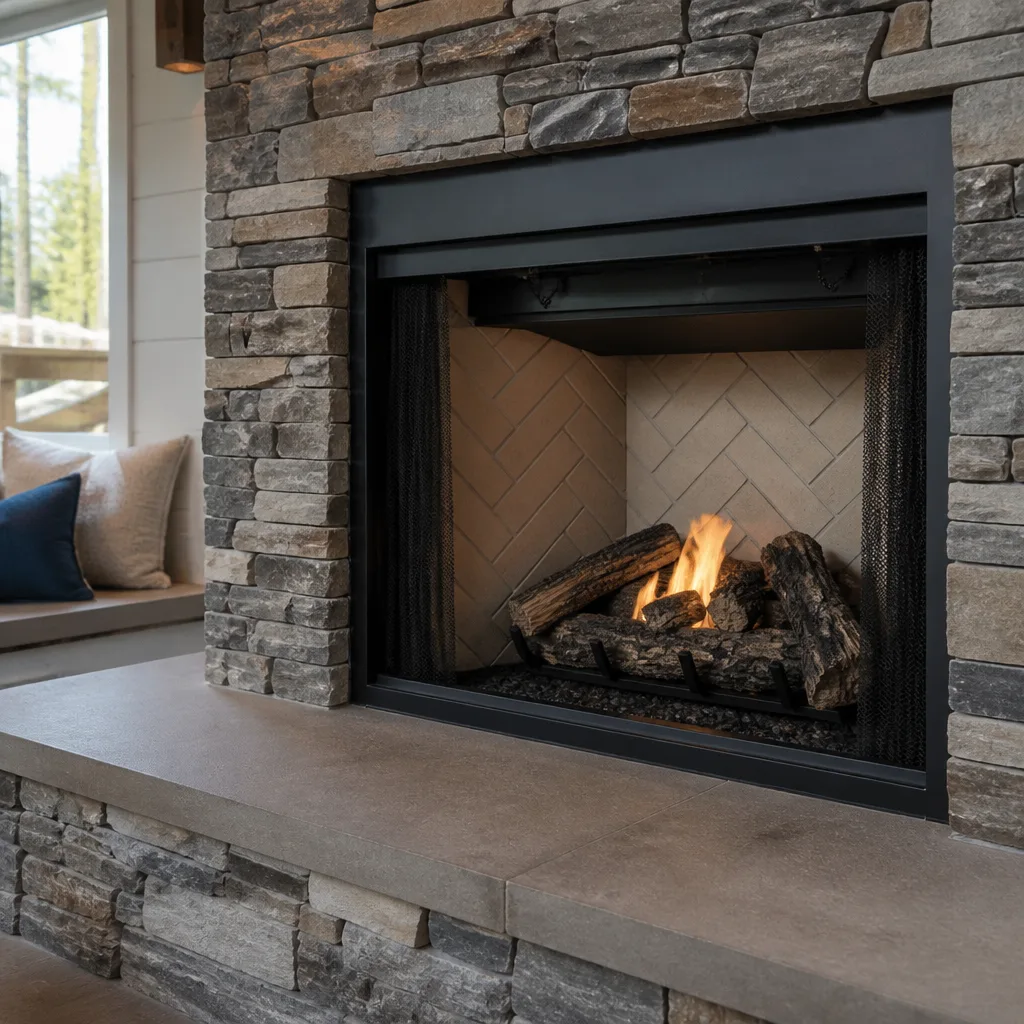 Gas fireplace service
Level 1 sweep and inspection to the NFPA 211 annual standard - flue, crown, cap, and flashing checked and photographed
Chimney sweep logs do not sweep chimneys. They loosen some creosote - which then falls where a brush and vacuum still have to collect it.
Chimney Cleaning Emergency Preparedness Guide for Murfreesboro Homes
Most people picture a chimney fire as flames licking out of the fireplace. That picture is wrong, and the gap between the picture and reality is where homes get lost. A chimney fire can burn inside the flue at temperatures above 2,000°F while the living room stays quiet. What a homeowner notices is a low roar like a distant train, a faint hot-metal smell, or puffs of smoke coming from seams that shouldn’t smoke. No crackling fireball. No alarm unless there’s a detector nearby. The fire is contained in the very structure meant to protect the house, and by the time it’s obvious, the liner may already be failing. This guide covers both halves of that problem: how to prevent it, and exactly what to do in the first thirty seconds if it happens to you in Murfreesboro.
Quick Answer
If you suspect an active chimney fire, get everyone out of the house, call 911, and don’t open the damper wider or spray water into the firebox. A closed damper starves the fire of oxygen, and adding water to a fire that hot can crack the flue. If you smell gas or suspect carbon monoxide, evacuate first and call from outside. After any chimney fire, the flue needs a Level 2 inspection before the fireplace is used again. Prevention is simpler than response: an annual cleaning, awareness of warning signs, and correctly placed carbon monoxide detectors make an emergency far less likely in a Murfreesboro home.
Styles & brands we work with
- Sweep & inspection
- Caps & crowns
- Flue relining
- Masonry repair
- Gas fireplace service
Table of Contents
- How to Tell if You Have an Active Chimney Fire
- What to Do During a Chimney Fire Before the Fire Department Arrives
- Carbon Monoxide: The Fireplace Hazard That Burns No Wood
- After the Fire: Why You Can’t Use the Fireplace Until a Level 2 Inspection
- Building a Prevention-First Chimney System
- Warning Signs Homeowners Miss Between Cleanings
- How Often Should a Murfreesboro Chimney Be Cleaned?
How to Tell if You Have an Active Chimney Fire
An active chimney fire looks and sounds very different from a normal fire in the firebox. The fire you built is a controlled burn. A chimney fire is the creosote lining your flue igniting from the heat of that fire, and it burns upward and outward through the flue, not in the fireplace where you can see it. Because the fire is enclosed inside the chimney, the house itself seems calm for a while. That calm is the dangerous part. Here’s what actually tells you something is wrong.
Sounds and smells of a chimney fire
- A low, rumbling roar. People describe it as a distant freight train, a jet passing overhead, or a muffled roar coming down through the chimney. It’s continuous, not the crackle of burning wood.
- A sharp, hot, metallic smell. Some homeowners describe it as scorched metal; others as hot glue or burning plastic. It’s distinct from the woodsmoke smell of a normal fire.
- Creosote flakes or ash falling into the firebox. Large amounts of dark flakes dropping down from the flue are a classic sign of burning creosote.
- Smoke coming out of seams or pipes. Smoke rising from joints, dampers, or the pipe connecting a wood stove means the flue is no longer venting properly.
- A flue that feels hot to the touch on an outside wall. Hot chimney walls, or a visible glow at the top of the chimney from outside, indicate the fire is active.
Only a small percentage of chimney fires announce themselves with a visible roar, visible flame, or fire department response. Many just do quiet damage and smolder out. That’s why creosote buildup in a Murfreesboro home matters even if you’ve never had a dramatic fire. A smoldering chimney fire can warp the liner just as surely as a loud one.
What to Do During a Chimney Fire Before the Fire Department Arrives
The first thirty seconds matter more than anything a fire department can do once they’re on the way. The right response is counterintuitive and takes restraint: don’t feed the fire oxygen, don’t spray water into it, and don’t try to be a hero with the fireplace tools. Here’s the sequence.
- Evacuate the house and call 911. Everyone out first, including the pets. Call 911 from outside. Do not stay to “keep an eye on it.”
- Don’t open the damper wider. A closed or partially closed damper starves the fire of oxygen. Opening it fully sends a rush of air up the flue that can feed the fire and cause further damage. If the damper is already open, leave it.
- Don’t spray water into the firebox. Throwing water into a chimney fire can cause a thermal shock that cracks the flue tile or warps a metal liner. Water is for the fire department to apply correctly, not the homeowner.
- Close the glass doors. If your fireplace has glass doors, close them on the way out. They don’t contain a chimney fire, but they keep hot embers and flame from spilling into the room.
- Wait for the fire department outside. Once the fire is out, don’t relight the fireplace. Call your chimney professional for a Level 2 inspection before your next burn.
For a wood stove or insert, close the intake door and the stove door before you leave. For a gas fireplace, turn off the gas at the shutoff and get out. The rules change slightly with fuel type, but the evacuation-first rule never changes. If your chimney or flue is damaged from an active fire and you need a same-day assessment, call Goodwin Chimney Sweep at (844) 372-0461. We answer 24/7, and fast dispatch runs 7am to 7pm, Sunday through Friday.
Carbon Monoxide: The Fireplace Hazard That Burns No Wood
Carbon monoxide is the hazard that sneaks up on homeowners who are doing everything “right” with an actual fire burning. But a chimney system can produce CO without any wood burning at all, and that connection trips up a lot of Murfreesboro homeowners who only think to check their CO detector when the fireplace is lit. Here’s how it actually works.
Every chimney is also a vent for some appliance behind it: a gas water heater, a gas furnace, a gas fireplace insert, or a gas log set. Those appliances burn gas and vent exhaust, which contains carbon monoxide, up and out through the chimney or flue. If the flue is blocked with creosote, debris, a bird’s nest, or a failed liner, or if the chimney has a crack that lets exhaust into the house, that CO has nowhere to go but inside. A home can produce carbon monoxide from a fireplace in the summer, when no one has built a fire in months, because the gas water heater is venting into a blocked chimney.
The other route is the fireplace itself. A gas log set produces a real flame but also real exhaust. If the flue is improperly sized, unlined, or obstructed, exhaust can spill back into the room instead of going up. A wood-burning fireplace with a backdraft can do the same when pressure in the house is off. Negative pressure inside a home, which comes from exhaust fans in the kitchen or bath, a furnace blower, or a tightly sealed house, can pull flue gases down into the living space instead of up and out. You don’t see or smell carbon monoxide. It doesn’t announce itself with a low roar.
Where to place carbon monoxide detectors relative to the fireplace
The right detector placement depends on the hazard. For a fireplace or gas appliance spillage concern, place a CO detector on the same floor as the fireplace, in the room or just outside it, ideally at chest height. Carbon monoxide weighs almost the same as air, so it mixes evenly throughout the room. Mounting the detector on the ceiling or the floor isn’t necessary, but placing it somewhere the alarm will actually wake you matters more than a few feet of height. Place one detector on each floor that has a bedroom, one outside each sleeping area, and one on the level with the fireplace. Test the detectors every month. The test button takes ten seconds. Replace the batteries on a schedule you’ll actually remember.
If your CO alarm sounds, treat it as real. Get everyone outside and call 911 from outside. Call us at (844) 372-0461 once it’s safe to do so, and we’ll inspect the flue and the gas appliance venting before the fireplace or appliance is used again. A CO alarm rarely fires on a healthy chimney; when it does, something has failed.
After the Fire: Why You Can’t Use the Fireplace Until a Level 2 Inspection
Once the fire department has cleared the house, the temptation is to say “we got lucky, let’s just clean it and get back to normal.” That’s the wrong response, even after a small, quiet chimney fire. The reason comes down to what a fireplace is made of. Your flue is a container designed to keep 2,000°F combustion products away from the wood framing in your walls. That container has to be airtight. A chimney fire can crack flue tile, warp or breach a metal liner, open a gap at a joint, or damage the chimney crown at the top. None of that is visible from the firebox. You can have a fire in the fireplace that looks completely normal while combustion gases push through cracks into wall cavities behind it.
A Level 2 inspection is the industry-standard post-fire assessment. It goes well beyond what a routine cleaning includes. Here’s what it actually evaluates:
- The entire flue, from firebox to top. Video camera inspection through the full flue shows cracks, gaps, and breaches that can’t be seen from either end.
- Liner condition. Whether the liner is intact, delaminated, warped, or has failed at a joint.
- All accessible portions of the chimney. The exterior, the chimney crown, the cap, the flashing, and the point where the chimney meets the roof.
- Connected appliances. The flue or flue that serves each gas appliance, if applicable, is inspected for blockage and connection integrity.
- Clearances to combustibles. Any place the chimney structure has been in contact with wood framing.
If the inspection finds a damaged liner, we don’t automatically recommend replacement. HeatShield resurfacing can restore a cracked or spalled clay liner without a full liner replacement in cases where that’s the right call. When a replacement is what’s needed, DuraFlex and Olympia Chimney liners handle older, offset, or unusual flues that a one-size-fits-all liner can’t. We show you what we find with the camera and photo report before any work is quoted. Decisions made from a video you can see are decisions you can trust.
Building a Prevention-First Chimney System
The best emergency response is the one you never need. A prevention-first approach has three parts that work together, and skipping any one of them lowers the overall protection. Cleaning removes the fuel, inspection catches problems before they get worse, and detection gives you a warning before the smoke is obvious.
Part one: an annual cleaning
Burning one cord of wood produces roughly a gallon of creosote during a season. Murfreesboro’s climate adds its own wrinkle: the heating season runs long enough that a wood-burning homeowner can go through four to five months of regular fires, and shoulder-season burn behavior tends to be sloppier. Cool, damp October and November evenings invite a small fire built from green or seasoned wood without much thought to airflow. That’s exactly the fuel mix that produces glazed, sticky creosote instead of light, brushable soot. An annual chimney sweep resets the clock in one visit.
Part two: an annual inspection
Cleaning is the part you can see. Inspection is the part that sees what cleaning misses. Schedule a chimney inspection once a year, and anytime you change fuel type, notice a problem, or after any suspected chimney fire. The inspection is how you find a cracked crown, a failing cap, or a liner problem before it becomes a repair.
Part three: detection
Make sure you have working smoke detectors on every level and inside or outside each sleeping area, and carbon monoxide detectors placed as described above. Test them monthly and replace the batteries on a schedule. Also watch for the low-pressure warning signs: a fireplace that smokes into the room on cold mornings, or a backdraft of smell when the furnace kicks on, means the chimney isn’t venting cleanly. That’s worth investigating before you build another fire.
For homeowners in Murfreesboro, the full system (sweep, inspect, and handle any repair) works best when it’s handled by one company. You schedule one visit, get one report, and don’t chase referrals. That’s how Goodwin Chimney Sweep works.
Warning Signs Homeowners Miss Between Cleanings
The most damaging chimney problems are usually not dramatic. They’re the quiet things homeowners walk past for years. Between annual cleanings, watch for these signs and call for an inspection if you notice any of them, even in the off-season.
- Creosote buildup you can see. More than 1/8 inch of buildup in the flue is too much. That’s roughly the thickness of a nickel. If you can see a visible dark crust when you look up from the firebox, it’s overdue.
- Loose or cracked mortar and brick. Small cracks in the outer chimney masonry let water in and let smoke out. A cracked chimney isn’t just cosmetic.
- A cracked or discolored chimney cap. The cap keeps water out of the flue. A cracked or missing cap welcomes rainwater, birds, and the corrosion that follows. Gelco and Famco caps are what we typically install.
- A rusted or sagging cap or damper. Rust on the chimney interior points to moisture getting in.
- Smoke drifting into the room. If smoke doesn’t go straight up when the fireplace is lit, don’t keep burning. Have the flue checked for a partial obstruction.
- A roaring “woof” or whoosh sound on ignition. Fire roaring up a chimney from the firebox at startup can signal restricted air. It’s worth a look.
- Smell of smoke in the house when the fireplace is off. That smell means a backdraft or leak is pushing fireplace air into your living space.
How Often Should a Murfreesboro Chimney Be Cleaned?
Once a year if you burn wood regularly during the heating season, and sooner if you notice creosote buildup or a problem. “Regularly” is a judgment call that depends on how often you burn, what you burn, and how the flue drafts. A home that lights the fireplace three nights a week from October through March needs the annual visit. A home that lights a decorative fire a handful of times a winter may stretch the schedule a little, but the inspection recommendation stands annually regardless. Gas appliances venting through the chimney need the flue checked on the same annual rhythm because the CO risk doesn’t take a season off.
In Murfreesboro, the smart time to book is late summer or early fall, before the first cold snap hits. Calling in September means your flue is clean and inspected before you build the first fire. Calling after the first cold weekend means you may wait, and booking around a cold snap is a bad time to learn your liner is cracked. Book the sweep and the inspection as one visit so the report gets written before you’re standing next to a full firebox on a cold night.
Our technicians have up to 9 years of experience, and we do all three services under one company. If your annual visit turns up a repair, we quote it in the same conversation. If it’s a job that can safely wait until spring, we’ll say so. You don’t need to take our word for it; the camera report shows you the evidence.
Common Mistakes to Avoid
- Opening the damper wider during a chimney fire. It feels like the right way to “clear the smoke,” but it feeds the fire oxygen. Keep the damper as it is and get out.
- Burning unseasoned or wet wood to “get through” a damp Murfreesboro winter. Green wood produces more creosote and smolders at lower heat. It’s the leading cause of the sticky, glazed creosote that’s much harder to remove at the annual cleaning.
- Skipping the inspection because the cleaning “looked fine.” Cleaning removes the fuel. Inspection finds the cracks, caps, and liner problems. They’re two different jobs.
- Relighting the fireplace after a chimney fire without a Level 2 inspection. A cracks in the flue or a breached liner allows combustion gases into the wall cavity. The next fire can be much worse than the last.
- Putting the CO detector in the wrong place. A detector in the basement doesn’t help if the fireplace is on the main floor. One detector on the fireplace level is a basic requirement, not an upgrade.
- Hiring a “sweep” who can’t do the repair. If your only visit reveals a liner problem, you want it fixed by the same company. Otherwise you’re chasing a contractor in February.
- Ignoring a cracked chimney crown. Water getting in through the top of the chimney corrodes the liner and destroys the masonry over time. It’s a small repair that becomes a big one if it waits.
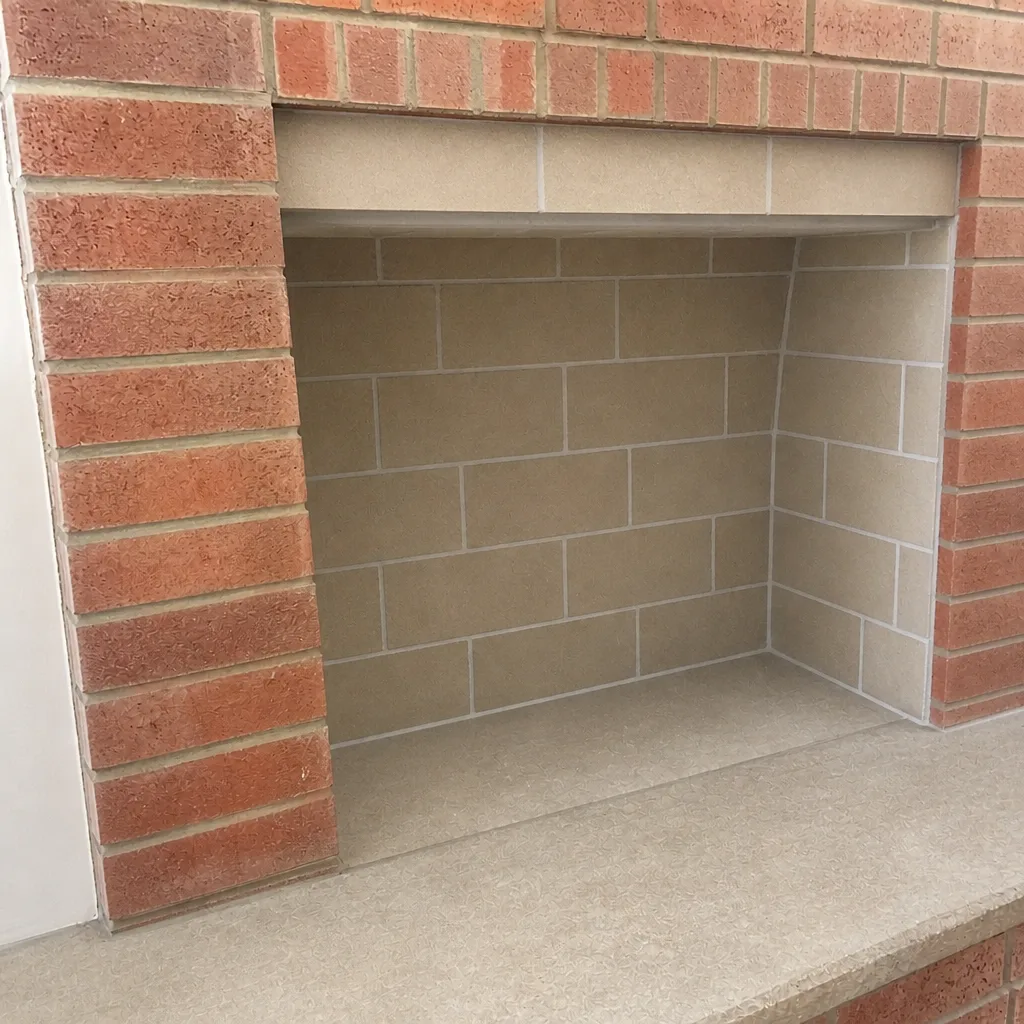
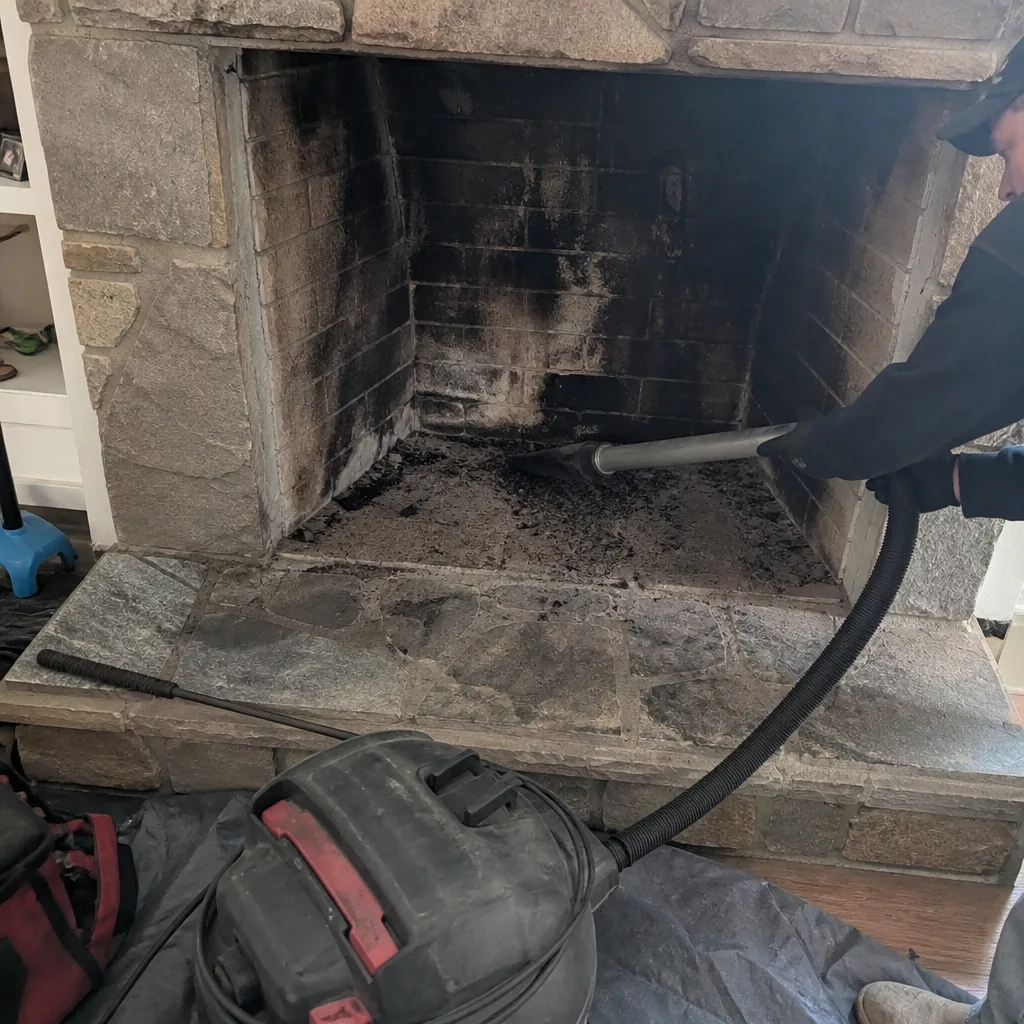
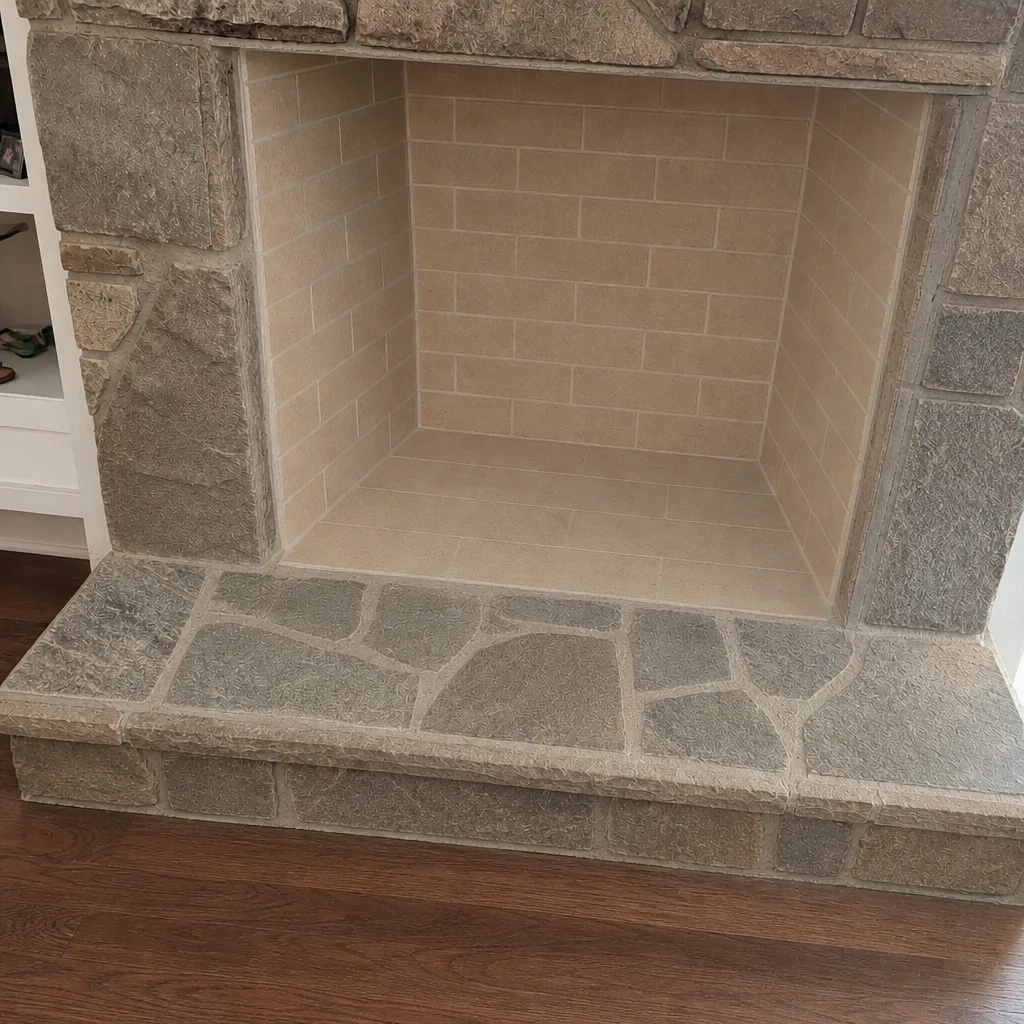
See the difference
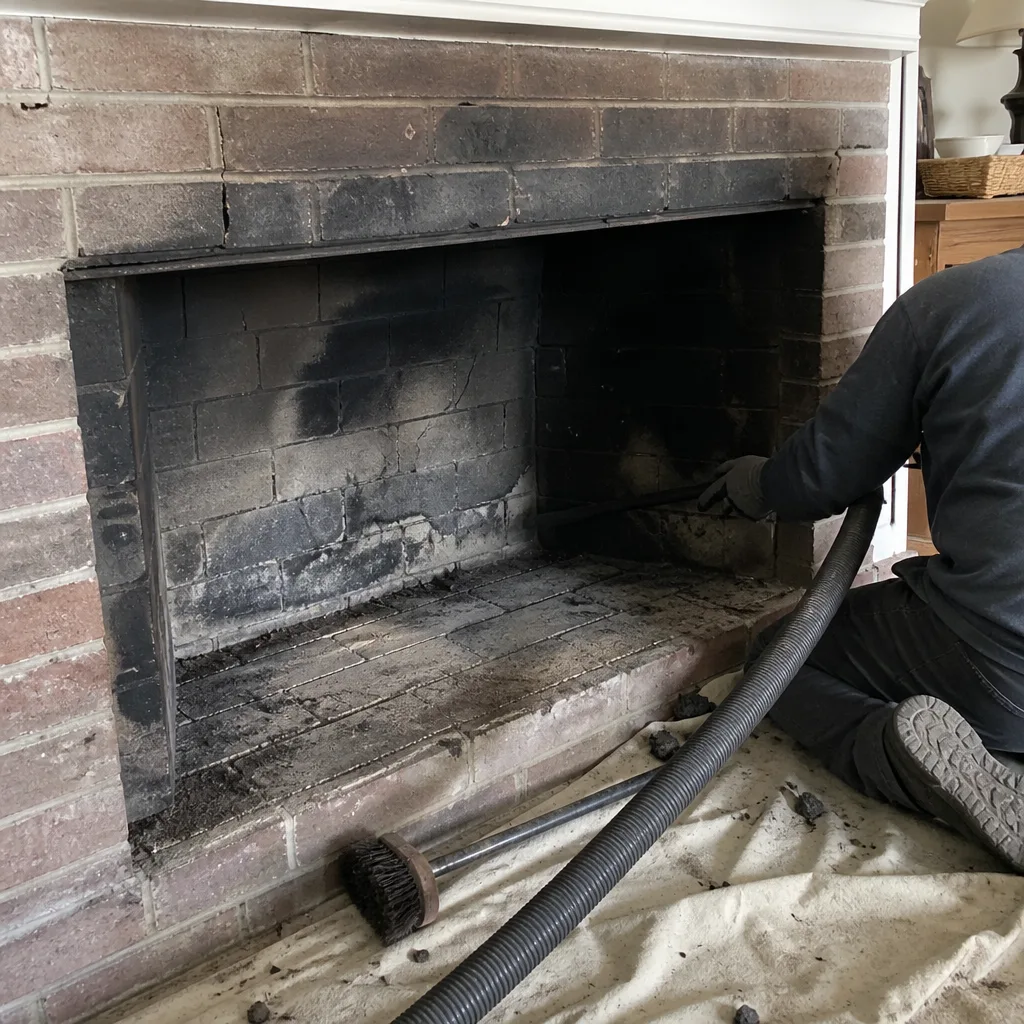 Before
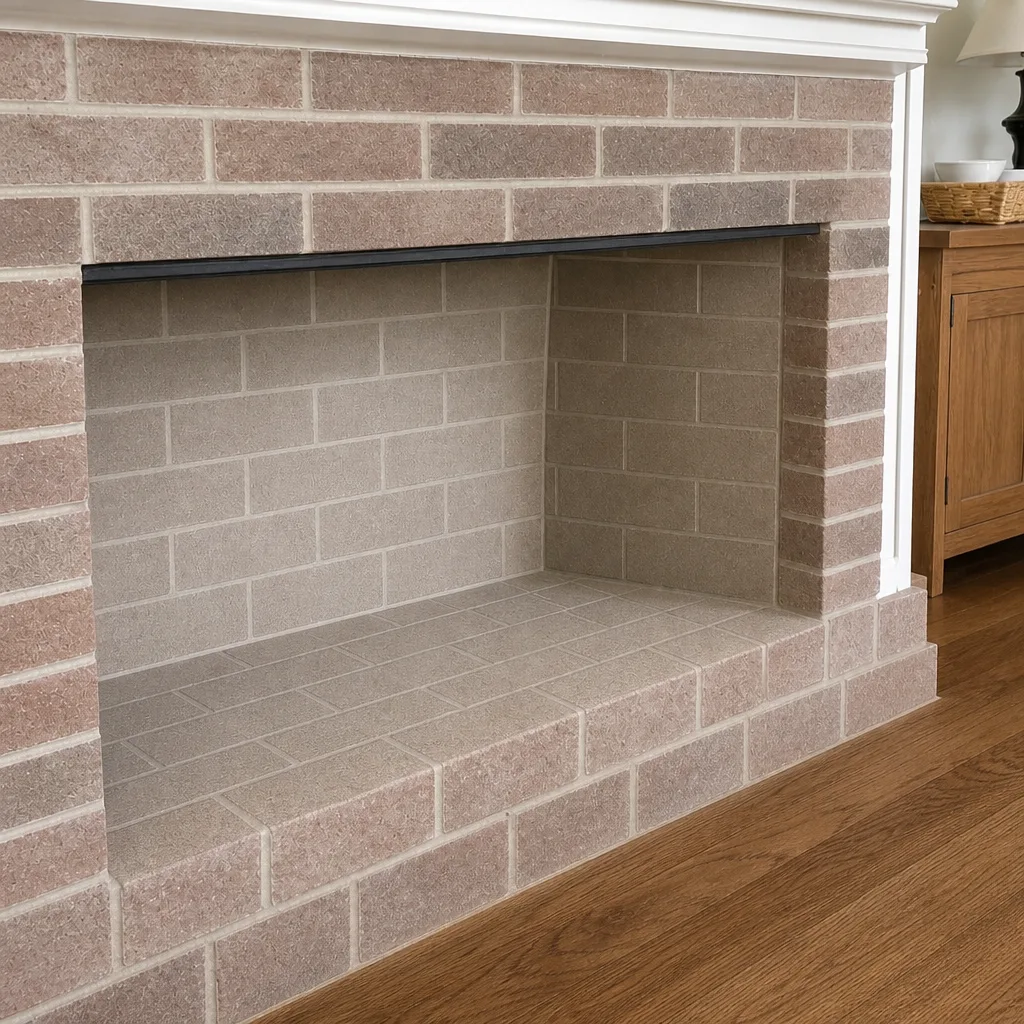 After
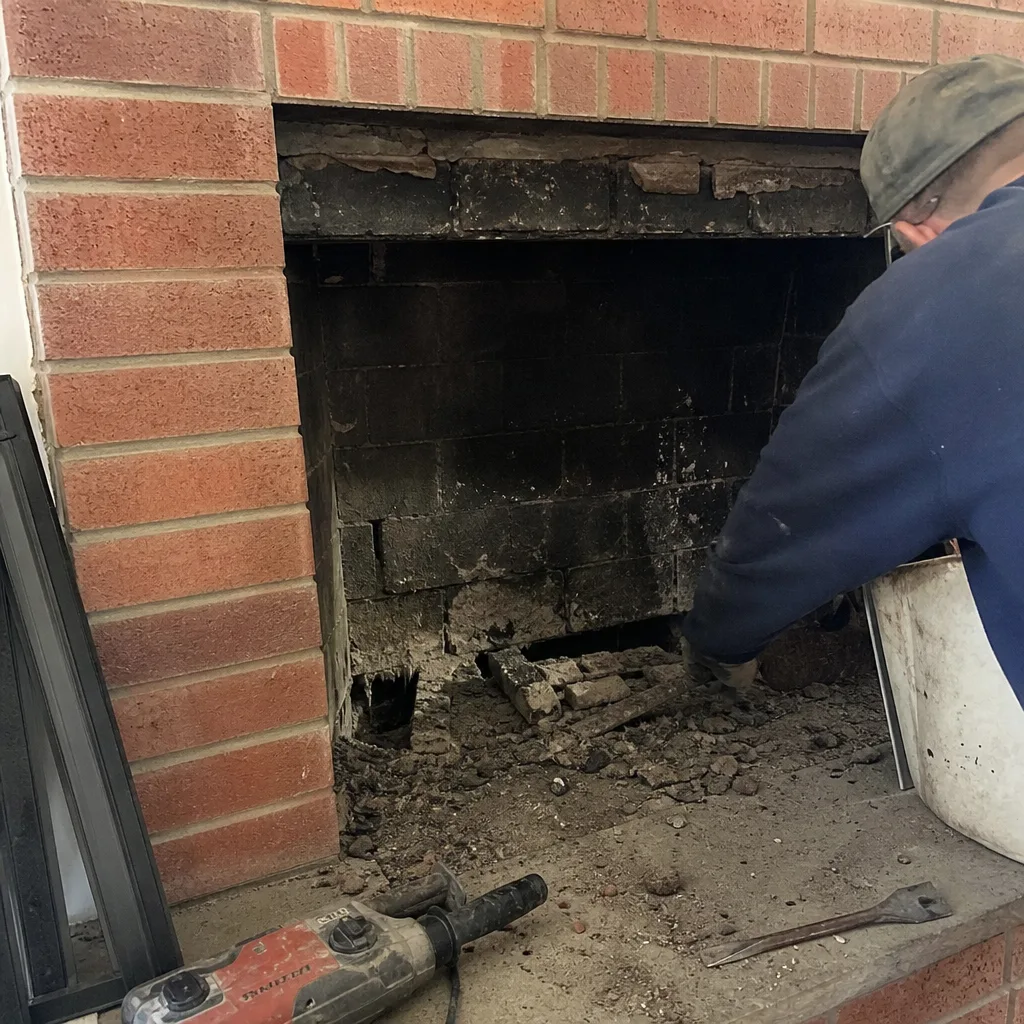 Before
 After
 Before
 After
When to Call a Professional
Call us if you’ve had a suspected chimney fire, a CO alarm, smoke backing into the room, or visible creosote buildup past a nickel’s thickness. Call if your flue hasn’t been cleaned or inspected in the last year, or if you’re not sure when it last was. Call before you light the first fire of the season if anything about the fireplace seems off. Our team handles the annual sweep, the inspection, and any repair that comes out of it in a single visit. Goodwin Chimney Sweep offers free estimates in Murfreesboro; call (844) 372-0461. And if you need the whole package, see our chimney repair service page, which covers what happens after the inspection report. If you want to know what we charge, ask on the call; the written estimate sets the final price, and nothing happens before you’ve seen the report.
Frequently Asked Questions
Get everyone out of the house and call 911 from outside. Don’t open the damper wider, don’t spray water into the firebox, and don’t stay to watch. A closed damper helps starve the fire. If the fire department clears the house, schedule a Level 2 inspection before the fireplace is used again. Call (844) 372-0461 for an assessment; we answer 24/7 and run fast dispatch 7am to 7pm, Sunday through Friday.
A chimney sweep and inspection in Murfreesboro typically falls in a predictable range set per job by the written estimate. Every job is different, so we give you an exact number when we book, based on what the visit involves. Call (844) 372-0461 for a free estimate, and we’ll quote the sweep and inspection together.
Not always, but you need a Level 2 inspection to know. The inspection shows whether the liner is intact. If it’s cracked clay, HeatShield resurfacing can restore it in cases where replacement isn’t necessary. If it’s damaged beyond resurfacing, DuraFlex or Olympia Chimney liners handle the replacement. We show you the camera evidence before anything is quoted. Call (844) 372-0461 to schedule.
Yes. Any gas appliance venting through the chimney, including a water heater or furnace, can push CO into the house if the flue is blocked or the liner is cracked. A blocked chimney doesn’t know you’re not burning wood. Keep working CO detectors on the fireplace level and schedule an annual flue inspection for every appliance venting through it. Call (844) 372-0461 to book.
Once a year if you burn wood regularly during the heating season, and sooner if you see more than 1/8 inch of creosote buildup. Late summer is the best time to book so the flue is ready for the first cold snap. Call (844) 372-0461 to schedule; estimates are free.
Creosote builds up in the flue, and once it reaches a thick, glazed stage it ignites more easily and is much harder to remove. Skipped cleanings also mean skipped inspections, so a cracked liner or crown goes unnoticed. The risk isn’t a house fire on a schedule; it’s a slower path to one. Call (844) 372-0461 for an annual sweep in Murfreesboro.
The Bottom Line
A chimney emergency is usually a maintenance emergency that happened on a night you didn’t plan for. The prevention side is simple: annual cleaning, annual inspection, correctly placed CO detectors, and paying attention to the warning signs that show up months before a fire. The response side needs the opposite of instincts: don’t open the damper wider, don’t fight the fire, get out and call 911. If a fire does happen, a Level 2 inspection before relighting is the difference between a story you tell at breakfast and a structural repair. For Murfreesboro homeowners, the best time to call is before the season starts, not during the emergency. Prevention is the response plan.
Call (844) 372-0461 for a free estimate. We answer 24/7, and fast dispatch runs 7am to 7pm, Sunday through Friday.
Written by the team at Goodwin Chimney Sweep.