
Last updated November 15, 2026
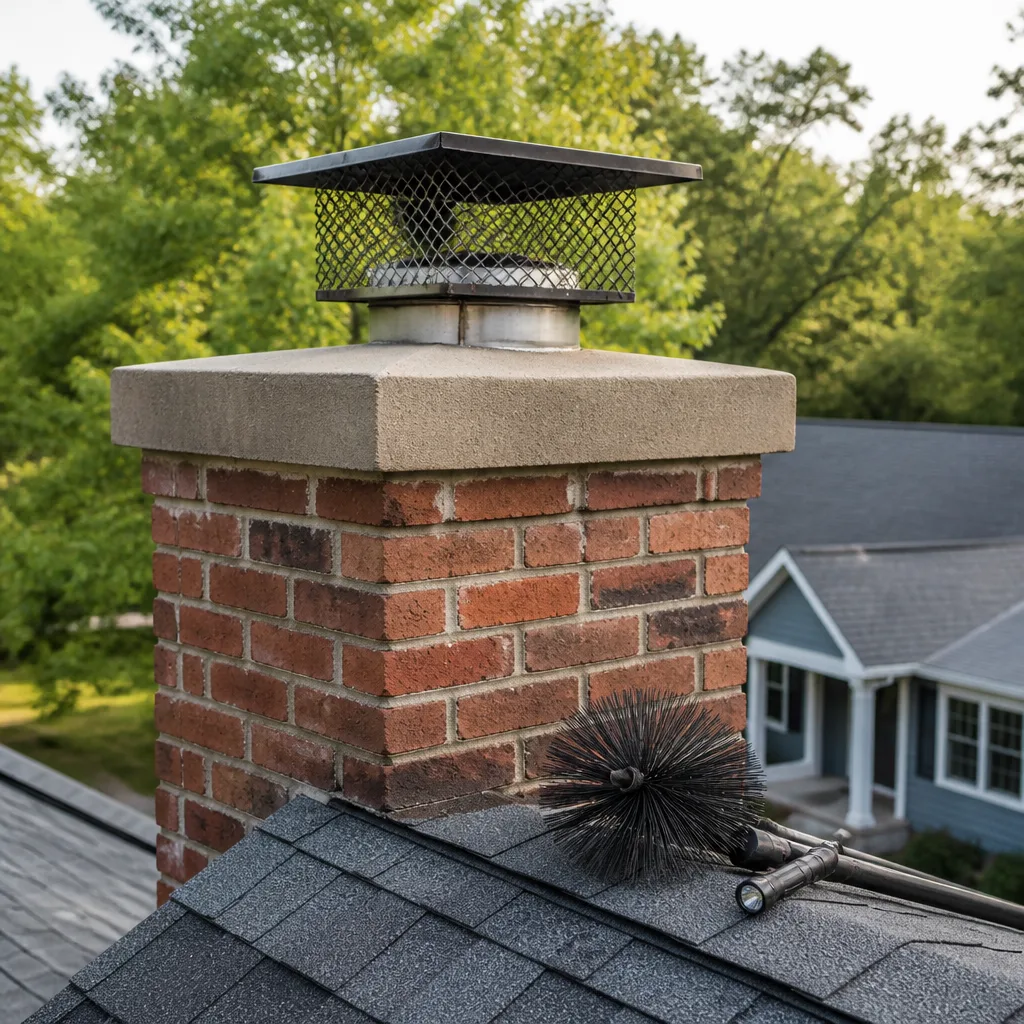 Sweep & inspection
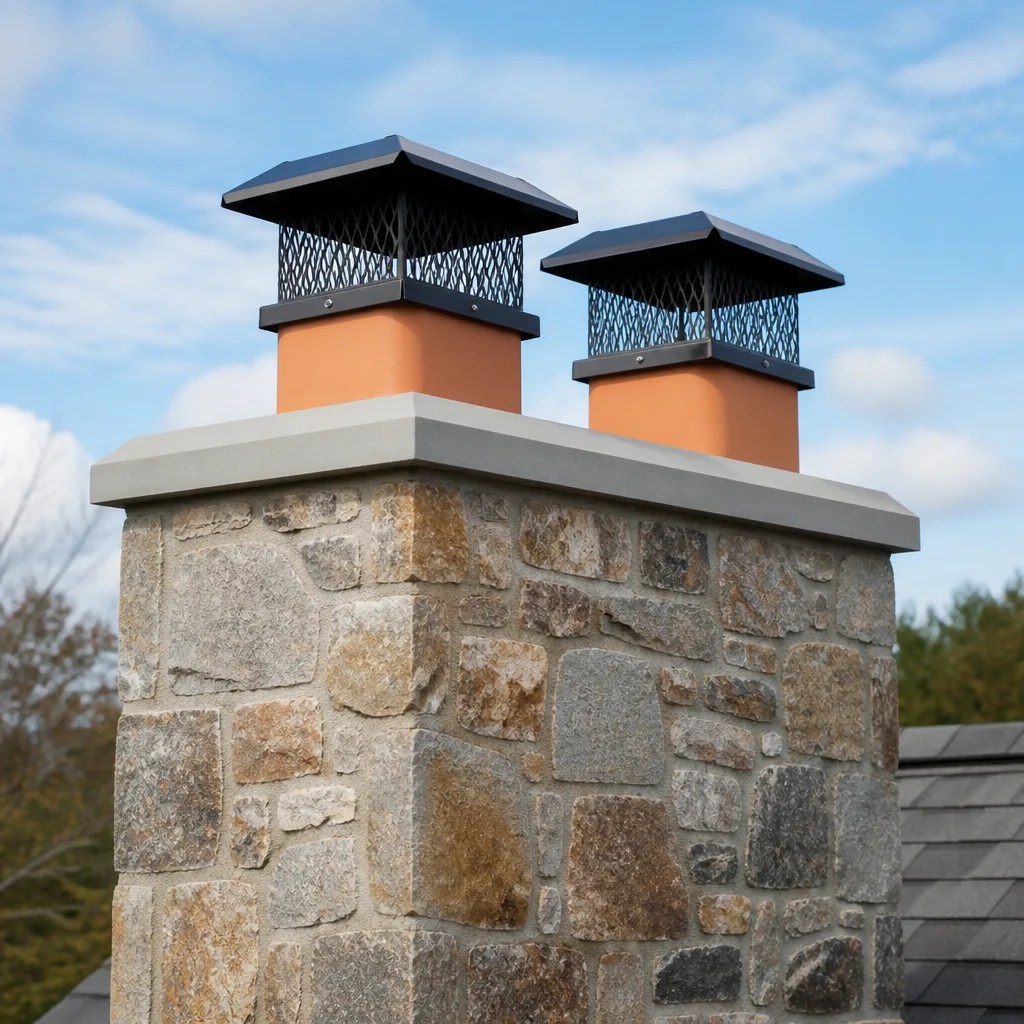 Caps & crowns
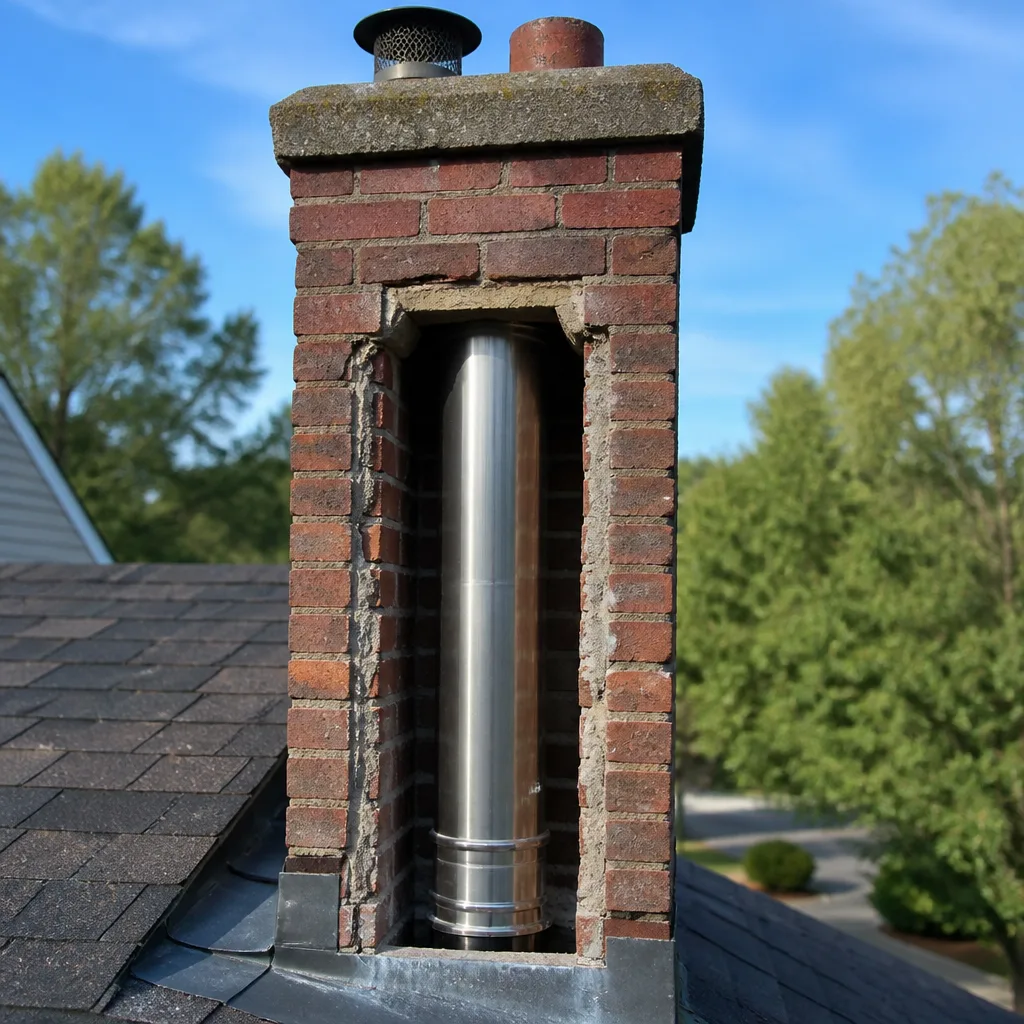 Flue relining
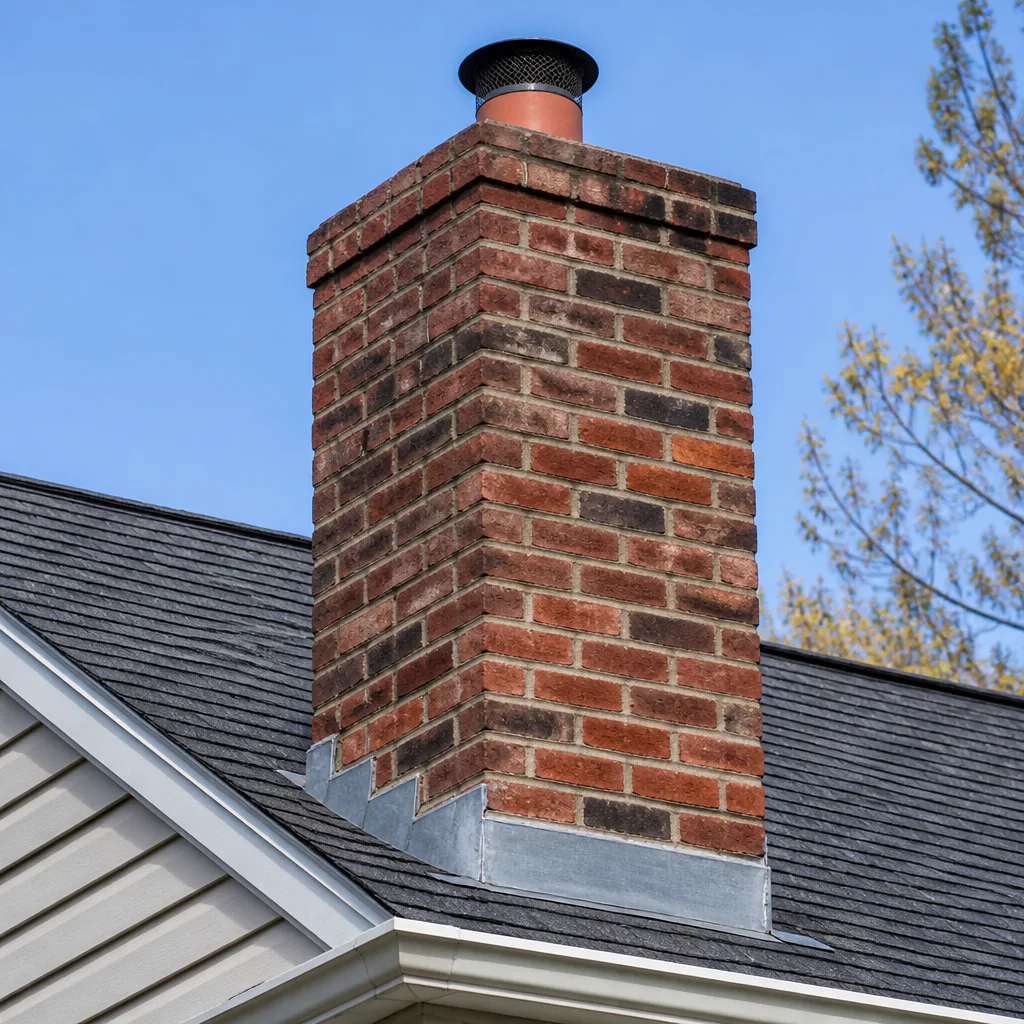 Masonry repair
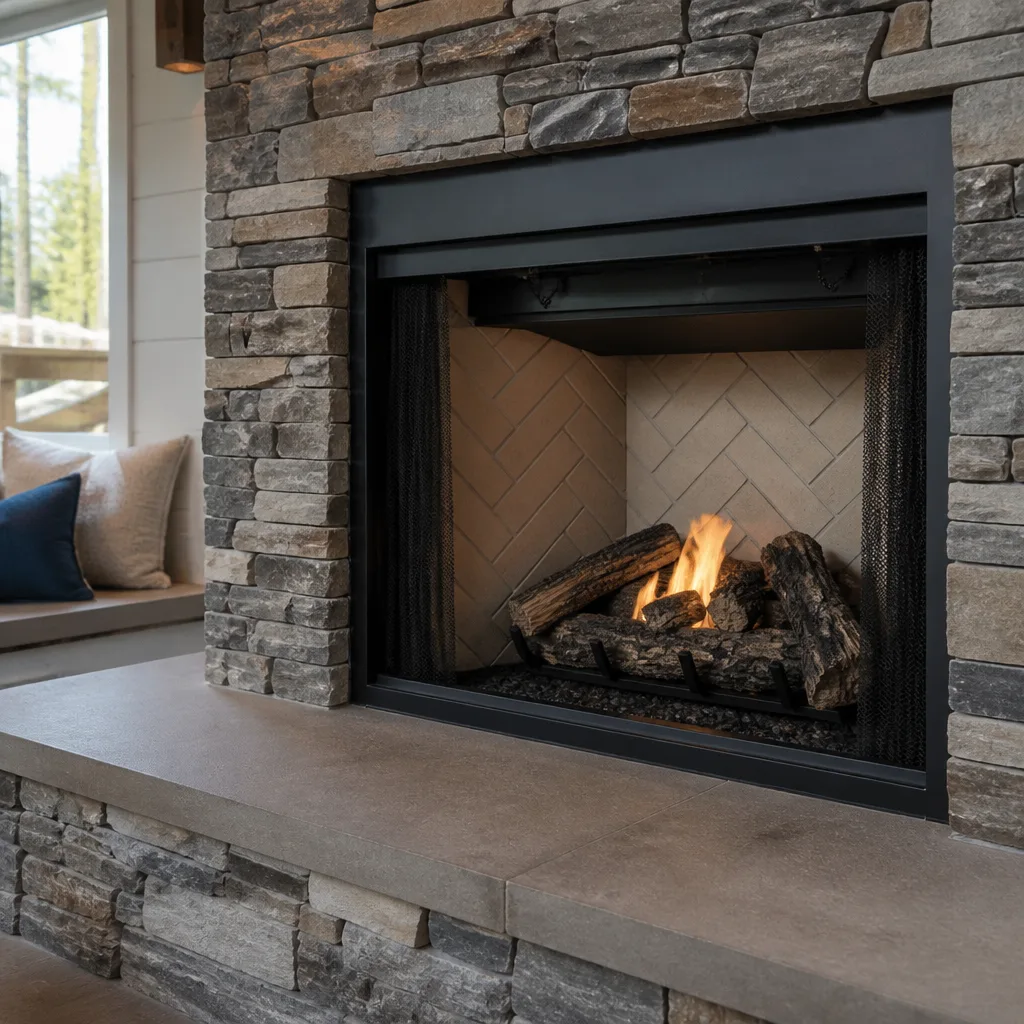 Gas fireplace service
Level 1 sweep and inspection to the NFPA 211 annual standard - flue, crown, cap, and flashing checked and photographed
Chimney sweep logs do not sweep chimneys. They loosen some creosote - which then falls where a brush and vacuum still have to collect it.
Chimney Cleaning Warning Signs: A Murfreesboro Homeowner’s Reference Guide
A strong smoke smell in a room where no fire is burning isn’t a draft quirk. It’s often a sign of a cracked liner letting combustion gases migrate into living spaces, and that condition creates carbon monoxide risk even when the fireplace sits cold. Most of the warning signs that matter in a chimney announce themselves indoors, long before anyone needs to climb a ladder: a smell, a change in how smoke drafts, a stain on the smoke chamber, a patch of white on the brick outside. This reference guide maps seven observable signs to their likely causes, separates cosmetic from structural, and gives you a clear framework for when to stop burning and when you can safely book a standard appointment. If you own a home in Murfreesboro with a working fireplace, wood stove, or gas insert, this is written for you.
Quick Answer
The most important chimney warning signs are a smoke smell with no fire burning, smoke rolling back into the room, dark staining around the damper, flaking creosote, animal sounds in the flue, damaged exterior masonry, and a draft that has gotten noticeably weaker. A strong persistent smell, glazed creosote, or crumbling mortar near the crown means stop using the fireplace and get it inspected before the next burn. Faint cosmetic issues can wait for a standard appointment, but anything that involves smell inside the living space or visible glaze on the smoke chamber should be treated as an active risk.
Styles & brands we work with
- Sweep & inspection
- Caps & crowns
- Flue relining
- Masonry repair
- Gas fireplace service
Table of Contents
- The Seven Observable Warning Signs and What They Mean
- Cosmetic or Structural? How to Tell Without Climbing on the Roof
- Why White Staining on Exterior Brick Is a Water Signal, Not Just Cosmetic
- Creosote Stages: Stage 1, Stage 2, and Stage 3 Explained
- When to Stop Burning vs. When It’s Safe to Book an Appointment
- What Middle Tennessee Weather Does to a Chimney
- What a Professional Inspection Actually Finds
- Common Mistakes to Avoid
The Seven Observable Warning Signs and What They Mean
Chimney problems almost always surface as one of seven clues, and each one points to a specific part of the system. Learning to read them is the difference between catching a failing liner early and discovering it after a chimney fire. Here’s what to watch for, mapped to likely cause.
- Smoke smell with no fire burning. A persistent smoky odor in a room, especially on humid or rainy days, usually means combustion gases or creosote residue are escaping back into the house. The most common cause is a cracked or deteriorated flue liner, but a poorly sealed damper or a disconnected stove pipe can produce the same smell. This is the sign most homeowners dismiss and shouldn’t.
- Smoke rolling back into the room. A fireplace that used to draft cleanly and now spills smoke when you light it is telling you the flue is restricted or the pressure balance in the house has changed. Blockages, a partially collapsed liner, or a flue that’s too small for the appliance all cause this. It’s a draft and venting problem, not a fire-building technique problem.
- Dark staining around the damper or smoke chamber. Creosote and soot that build up unevenly, especially dark glaze on the smoke chamber walls, signal incomplete combustion and heavy creosote accumulation. Glaze on the smoke chamber is one of the earliest visible cues that creosote has reached a dangerous stage.
- Flaking or crumbling creosote inside the firebox. When creosote dries, cracks, and flakes off the walls, it’s a sign the deposit is thick enough to expand and contract. Flaking creosote near the damper is a strong clue that the upper flue is coated too, and that’s where the fire risk concentrates.
- Animal sounds in the flue. Scratching, chirping, or rustling from the chimney usually means birds, squirrels, or raccoons have gotten past a missing or damaged cap. Beyond the animal itself, nesting material is highly combustible and blocks the flue. A proper cap and crown assembly is what keeps wildlife out, and product lines like Gelco and Copperfield are built for exactly this kind of top-of-chimney protection.
- Damaged exterior masonry. Cracked brick, spalling faces, or visible gaps in the mortar joints point to water intrusion and freeze-thaw damage. That damage climbs down the structure and, in a masonry chimney, can reach the liner. A damaged crown is often the entry point.
- Slow or weak draft. A fireplace that takes longer to catch, smokes a little at startup, or feels like it’s “breathing” poorly has a venting problem. It could be a blockage, a flue that’s undersized for the appliance, or negative pressure from a tightly sealed house. A gradual loss of draft is easy to miss because you adapt to it without noticing.
Each of these clues is a symptom, not a diagnosis. The only way to know whether a smell is a cracked liner or a worn damper gasket is a proper inspection, and we show you what we find so you can see the evidence yourself.
Cosmetic or Structural? How to Tell Without Climbing on the Roof
You don’t need to get on the roof to distinguish a cosmetic problem from a structural one. Most of the meaningful signals can be read from inside the house, at the firebox, the damper, and the smoke chamber, plus a careful look at the chimney from the ground. Here’s a practical way to sort what you’re seeing.
Cosmetic issues include minor soot smudges on the firebox face, light surface rust on a damper, or a small chip in the hearth brick. None of those affect how the chimney vents or how safely it burns. They can wait for a regular appointment.
Structural issues are the ones that touch the flue liner, the mortar joints, the crown, or the smoke chamber. Those components are what stand between combustion gases and your living space. From inside the house, structural trouble often shows up as:
- A smoke smell that returns every time the weather turns damp
- Visible cracks or gaps in the firebox brick or the mortar around it
- Dark, glazed creosote on the smoke chamber walls above the damper
- Smoke that spills into the room at startup or when the fire is reloaded
From the ground, structural trouble shows up as leaning sections of chimney, missing mortar between bricks, a cracked or missing crown, or a cap that’s come loose. A leaning chimney in a masonry home is never cosmetic. It means the structure has moved, and that needs a professional look.
Our technicians have up to 9 years of experience reading these signs, and we use camera inspection and a photo report so you can see the difference for yourself. When we say a stain is cosmetic, you’ll see why. When we say it’s structural, you’ll see that too. That’s the whole point of documenting the inspection rather than just describing it.
Why White Staining on Exterior Brick Is a Water Signal, Not Just Cosmetic
White, powdery staining on the outside of a brick chimney is called efflorescence, and it is not a cleaning problem. It’s a water intrusion signal. The white mineral deposits are salts that water has carried through the masonry and left behind as it evaporates from the surface. When you see efflorescence, water is getting into brick or mortar somewhere and moving through the chimney.
That matters for your liner because water and masonry chimneys don’t coexist well. Water that enters the chimney structure can:
- Soak into the mortar and freeze in a Murfreesboro cold snap, expanding and cracking the joints
- Reach the flue liner, especially a clay tile liner with a hairline crack, and rust or degrade metal components around it
- Spall the brick faces, which opens the masonry up to still more water
- Combine with creosote to form an acidic mix that eats into mortar and tile over time
The most common entry points are a cracked crown, failed flashing at the roof line, and missing or loose mortar joints. A proper cap assembly protects the flue opening from rain, and product lines like Gelco caps and Famco venting components are built to seal that opening correctly. A cracked crown needs repair, not paint, because water will find its way under any surface coating.
Homeowners in Murfreesboro tend to spot efflorescence in spring after a wet winter, or in late summer after humid weeks. It’s a slow-developing sign, which is exactly why it’s easy to ignore. If you see it, treat it as a structural cue worth an inspection, not a cosmetic blemish to scrub off.
Creosote Stages: Stage 1, Stage 2, and Stage 3 Explained
Creosote is the tar-like residue left behind by wood smoke, and it accumulates in three stages. Each stage looks different and carries a different level of fire risk. Knowing the stages is one of the most useful things a homeowner can learn, because the difference between them is the difference between routine maintenance and imminent hazard.
Stage 1: Soot and Flaky Creosote
Stage 1 is a light, powdery, or flaky coating of soot. It brushes off easily with a proper sweep, and it’s what a regularly maintained flue typically looks like between cleanings. Stage 1 buildup is cleanable and doesn’t present immediate fire risk.
Stage 2: Crusty, Dense Deposit
Stage 2 creosote is darker, denser, and crusty. It’s still removable with proper sweeping tools but takes more work, and it’s a sign the flue has been burning inefficiently or hasn’t been cleaned often enough. A wood stove or insert run with damp wood or a restricted air supply tends to build Stage 2 faster than an open fireplace.
Stage 3: Glazed Creosote
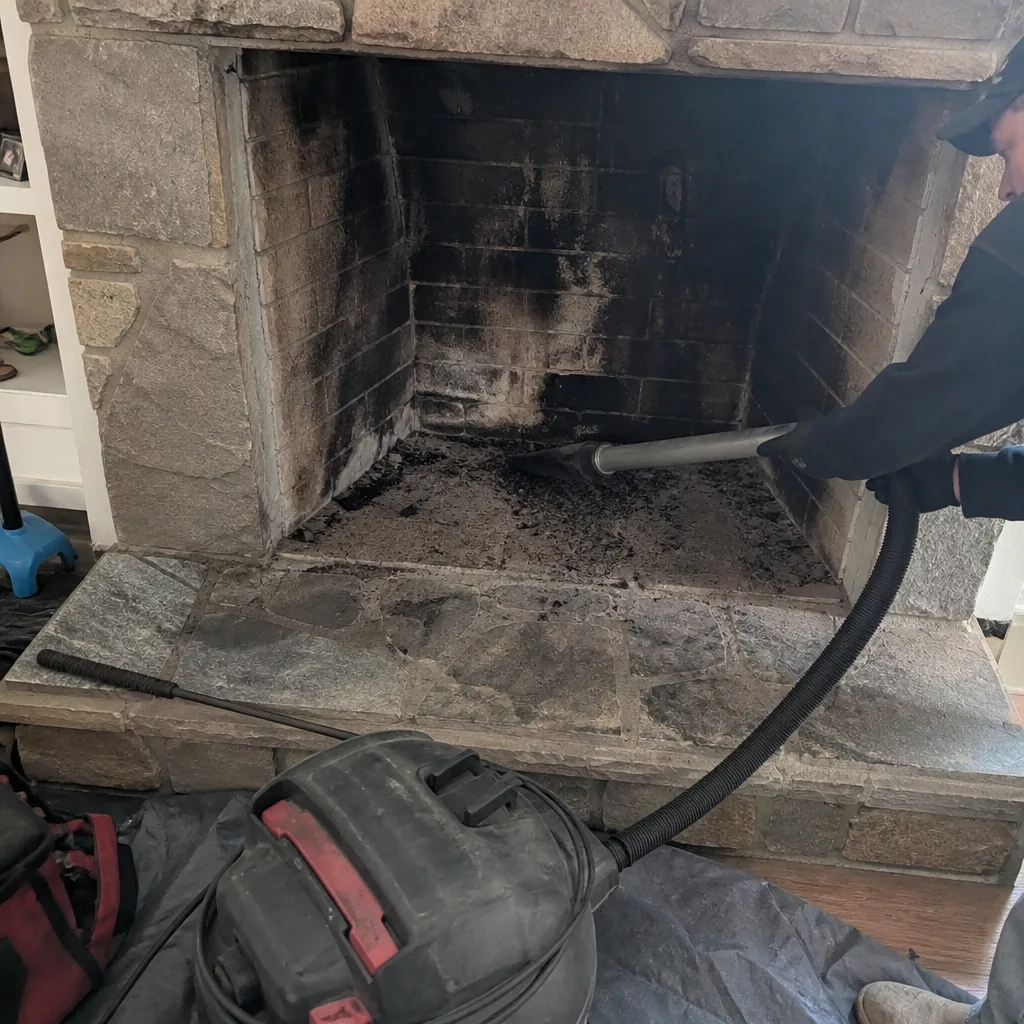
Stage 3 creosote is the one that demands action. It’s a hard, glassy, glazed coating on the flue walls or the smoke chamber. It’s extremely difficult to remove with a standard sweep, and it burns hot, which is the fire-fuel condition behind many chimney fires. Glaze on the smoke chamber or the damper area is the visible clue that creosote has reached Stage 3, and it should stop you from using the fireplace until a professional can address it.
Here’s how to read the stages from inside the house, without climbing anything:
- Look at the firebox walls and the damper. If the coating is light, powdery, or sooty, that’s Stage 1.
- If the coating is darker, denser, and crusty, and it doesn’t brush off with a light hand, that’s Stage 2.
- If you see a shiny, glassy, or glazed surface on the smoke chamber above the damper, that’s Stage 3. Stop burning and get it inspected.
Stage 3 can also show up as a stubborn dark glaze on the damper itself or at the top of the firebox. When our technicians find glaze, we document it with photos so you can see it and understand the risk without climbing a ladder. We don’t recommend work you can’t verify.
When to Stop Burning vs. When It’s Safe to Book an Appointment
The decision framework is straightforward. Some signs mean stop using the fireplace immediately. Others mean book a standard appointment and keep an eye on things in the meantime. Here’s how to tell them apart, using criteria you can apply yourself.
Stop using the fireplace immediately if:
- You smell smoke in a room with no fire burning, especially on a regular basis
- Smoke rolls into the room on every fire, not just an occasional startup puff
- You see glazed, glassy creosote on the smoke chamber or damper (Stage 3)
- You see cracked or damaged firebox brick, or loose mortar around the firebox
- You hear animal noise from the flue, or you suspect a nest is blocking it
- The chimney has visible structural damage: leaning, crumbling mortar, or a broken crown
- A carbon monoxide alarm has ever sounded while or after burning
Book a standard appointment, watch for changes, if:
- The creosote looks like Stage 1 or Stage 2 and there’s no smell inside the house
- Efflorescence or a small crack in the crown is present but nothing is leaking inside
- The draft is a little slower than it used to be, but the fire still burns and vents cleanly
- There’s minor cosmetic soot or surface rust on the damper
- It’s been a few seasons since the last sweep
When in doubt, stop burning and get it looked at. A fireplace that’s safely idle costs you nothing. A fireplace that’s used while a liner is compromised can put carbon monoxide into a house. Call (844) 372-0461 for an exact quote on an inspection, and if you’re not sure which side of the line you’re on, describe what you’re seeing and we’ll tell you plainly whether it can wait.
What Middle Tennessee Weather Does to a Chimney
Murfreesboro sits in a climate with hot, humid summers and cold winters, and both seasons work on a chimney in different ways. The freeze-thaw cycle is the biggest structural force. Water soaks into brick and mortar during wet spells, then freezes and expands when temperatures drop, then thaws and drains. Every cycle opens existing cracks a little wider. Over several winters, that motion is how a small crown crack becomes a structural problem.
Summer humidity matters too. Efflorescence and interior dampness are easier to spot after weeks of humid weather, and a smoke smell with no fire burning tends to get worse in muggy conditions. If the smell is strongest on humid days, that points toward a liner or damper issue rather than a draft quirk.
Then there’s the burning season itself. In Murfreesboro, wood stoves and inserts often run for several months in a row, which packs more creosote into the flue than an occasional open fire would. Homeowners who heat with wood have a shorter cleaning interval than homeowners who light the fireplace a few times a month. The right schedule depends on how much wood you burn and how well it’s seasoned, not on the calendar alone.
One local note: the clay soil and the way masonry settles in this region means a chimney that was sound last year can develop a new hairline crack in the crown after a wet winter. That’s why inspecting from the ground at least once a season is worth the habit. You’re looking for the signs, not diagnosing them.
What a Professional Inspection Actually Finds
A real chimney inspection isn’t a quick glance up the flue. It’s a documented look at the whole system, inside and out, with specific findings written down and photographed. Here’s what a thorough inspection covers when we do one in Murfreesboro:
- The firebox and damper. We check for cracked brick, gaps in the firebox mortar, and a damper that doesn’t seal.
- The smoke chamber. We look for glazed creosote, uneven buildup, and any sign the chamber was built or resurfaced incorrectly.
- The flue liner, by camera. Camera inspection lets us see the liner’s full length. Cracks, gaps, and offset flues show up clearly, and we document them for you.
- The exterior masonry and crown. We check the crown, the mortar joints, the brick faces, and the cap from the roofline.
- The chimney cap and venting. We check that the cap and cover are sealed and animal-proof, using products like Gelco and Famco that are built for the job.
When a liner shows damage, there are two common repair paths. One is a full reline, and the other, when the liner’s structure is sound and the issue is at the flue walls, is resurfacing. HeatShield resurfacing allows us to restore a deteriorated flue’s inner surface without a full-liner replacement, and DuraFlex and Olympia Chimney flexible liners handle older or offset flues where a rigid liner won’t fit. Those two paths are why we work with professional brands rather than hardware-store substitutes. You get a repair suited to the actual condition of your chimney, not the only option the crew happened to have on the truck.
We show you what we find. If the honest answer is that the work can wait, we’ll say so, and you’ll have the photos to confirm it.
Common Mistakes to Avoid
- Treating a smoke smell as a draft quirk. A persistent burn smell with no fire is a clue, not a nuisance. Dismissing it is the most common way a cracked liner goes unnoticed until it becomes a health or fire risk.
- Assuming white staining on the brick is only cosmetic. Efflorescence is a water signal, and in Murfreesboro’s freeze-thaw climate, water in the masonry is a structural problem waiting to happen. Don’t scrub it and move on.
- Judging creosote by the amount of soot in the firebox only. The firebox tells part of the story. The smoke chamber above the damper is where Stage 3 glaze shows up, and it’s the part most homeowners never look at.
- Burning wet or green wood to save money. Unseasoned wood builds creosote much faster than dry wood. The cost savings on fuel get eaten up by faster buildup and shorter cleaning intervals.
- Using a hardware-store cap or a caulk-and-paint fix for crown damage. A cracked crown lets water into the masonry. Surface coatings trap water underneath and make the damage worse. Proper Gelco or Copperfield caps and a real crown repair do the job correctly.
- Hiring a sweep-only company and getting stuck with a problem they can’t fix. A sweep that finds a damaged liner and then refers you elsewhere leaves you to start over. Look for a company that does sweep, inspection, and repair, so there’s continuity from finding to fixing.
- Ignoring animal sounds in the flue. Nesting material is combustible, and a blocked flue can send smoke and carbon monoxide back into the house. If you hear something, get the flue checked and get a proper cap installed.
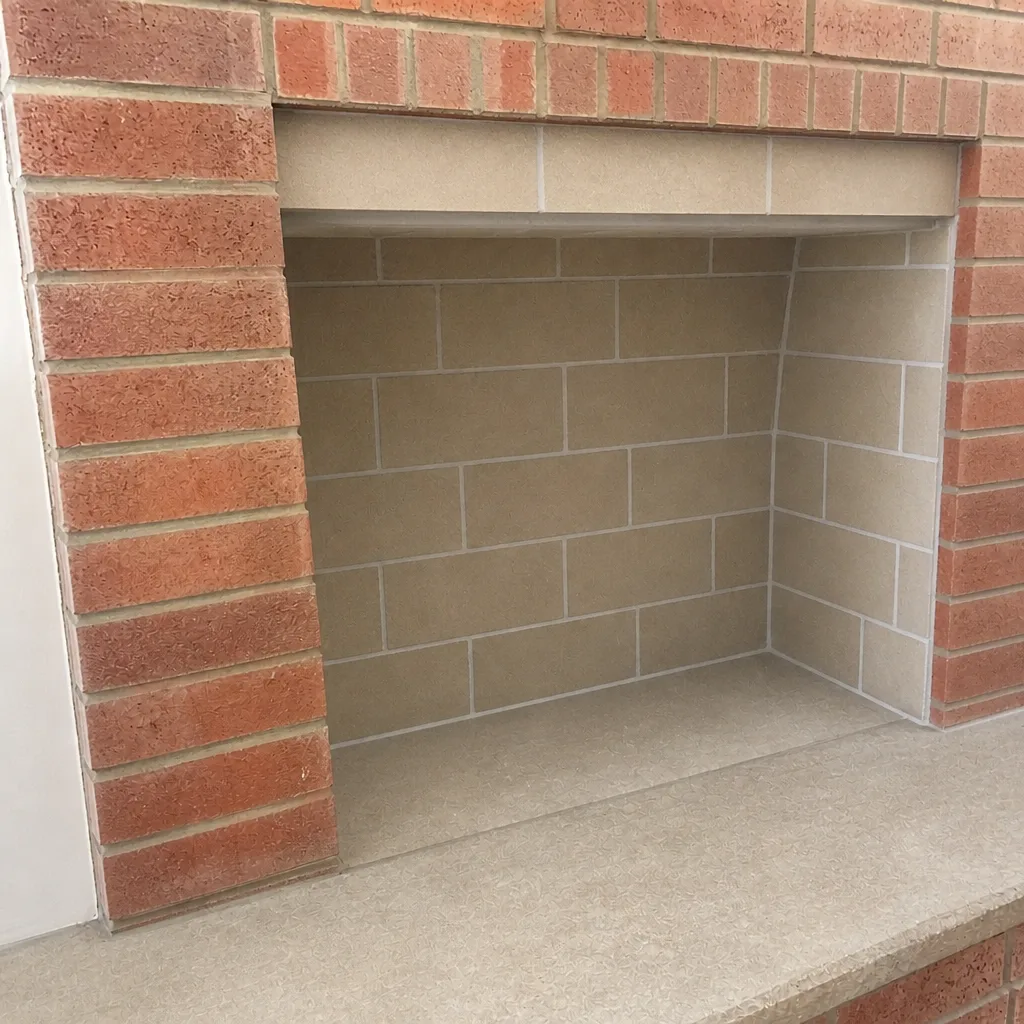
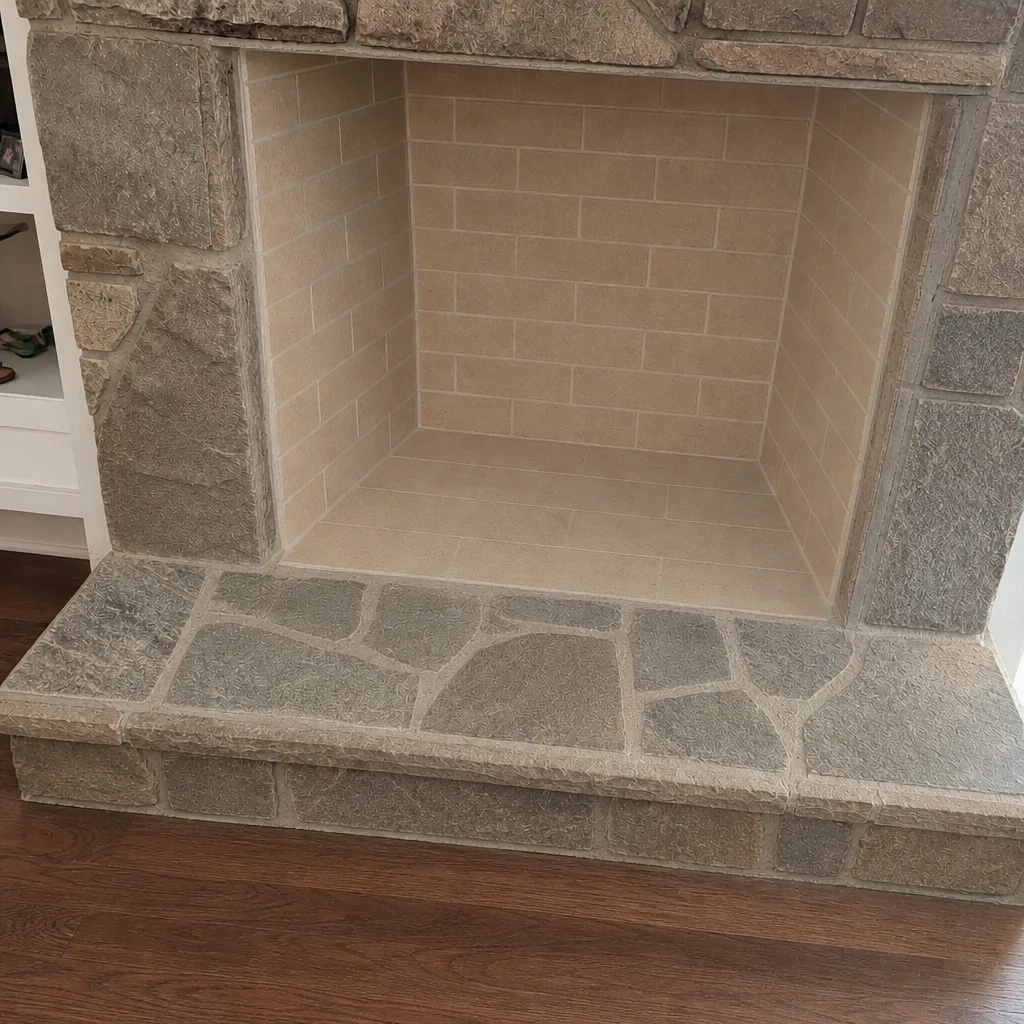
See the difference
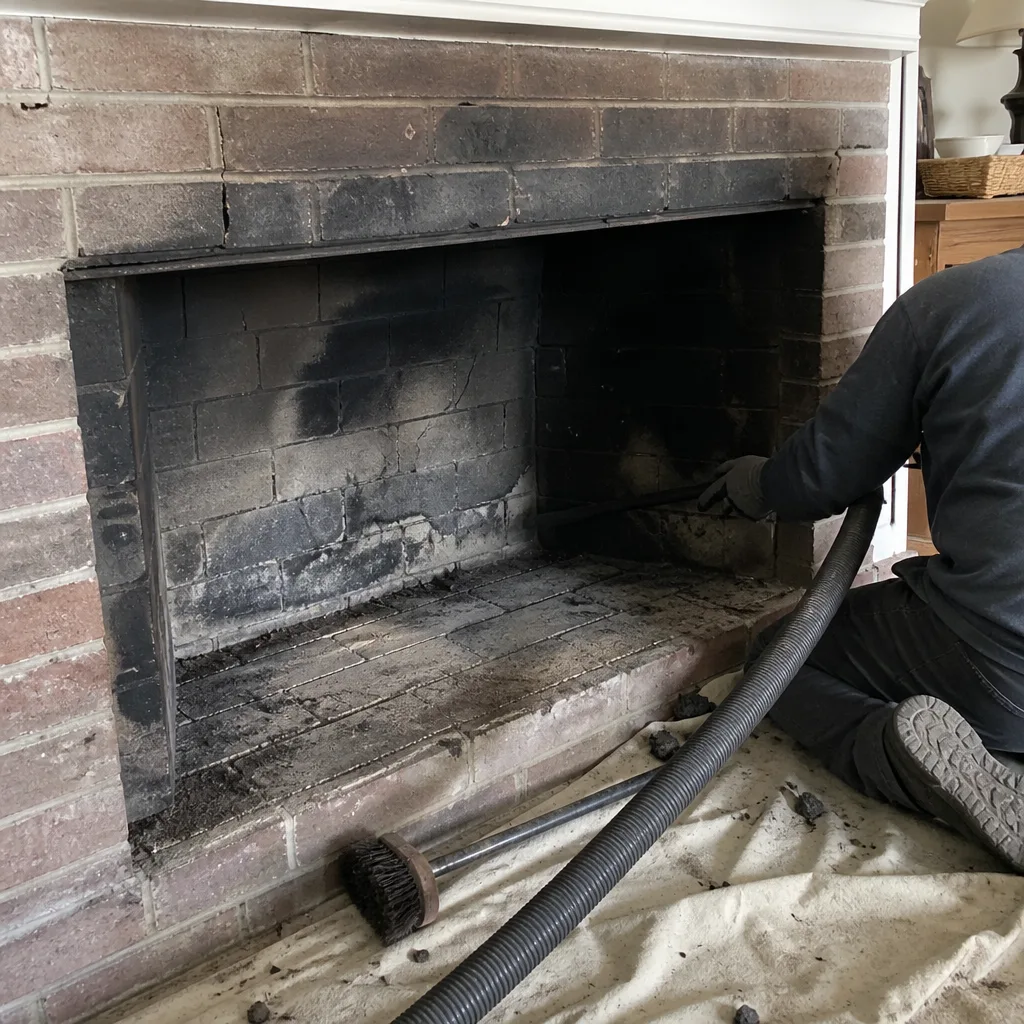 Before
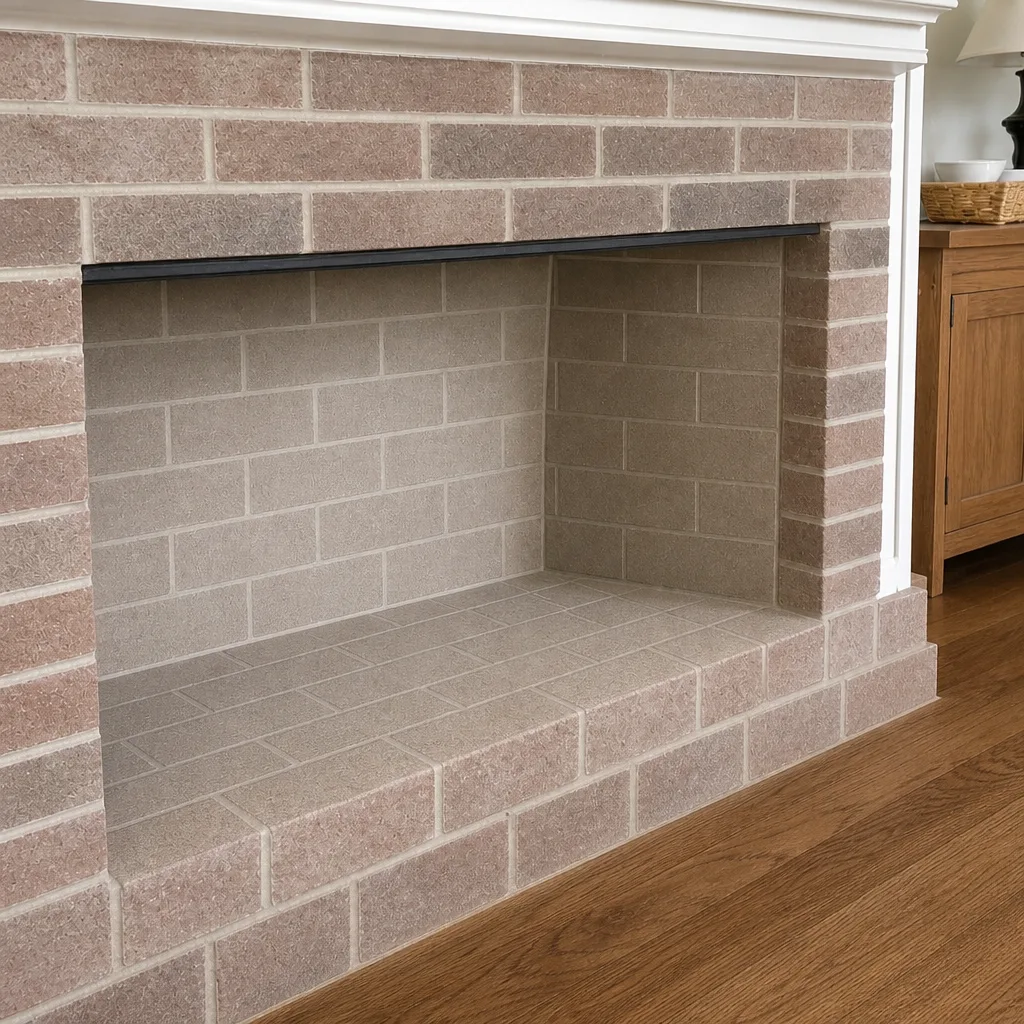 After
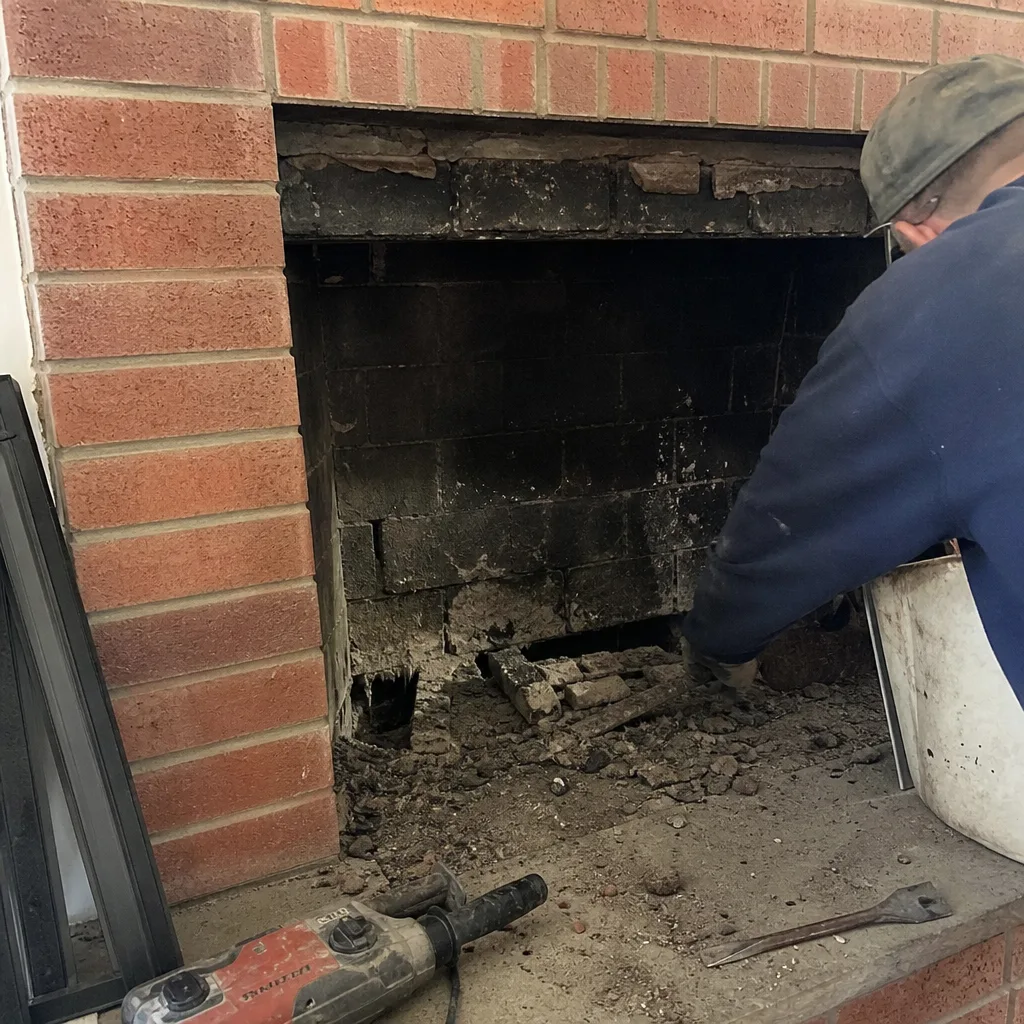 Before
 After
 Before
 After
When to Call a Professional
Call a professional when any of the “stop burning” signs in this guide applies: a smoke smell inside the house, smoke rolling back into the room, glazed creosote, damaged firebox brick, animal noise, a damaged crown, or a carbon monoxide alarm. Also call if you’ve noticed the draft weakening over a couple of seasons, or if it’s been more than a season or two since the last sweep. These are the situations where a camera inspection and a documented report will save you money, because you’ll know exactly what’s wrong instead of guessing. For the routine side of chimney care, our chimney sweep service covers the annual cleaning and inspection most Murfreesboro homeowners need. Goodwin Chimney Sweep offers free estimates in Murfreesboro – call (844) 372-0461. We answer 24/7. Fast dispatch from 7am to 7pm, Sunday through Friday.
Frequently Asked Questions
A smoke smell inside the house when no fire is burning is usually the first sign. It often points to a cracked liner, a failed damper seal, or creosote residue pushing odors into living space. If you smell it, get it inspected before your next fire.
Most Murfreesboro homeowners should have a chimney swept once a year, or after about a cord of wood, whichever comes first. If you heat with a wood stove or insert through the winter, you may need it more often. A sweep appointment with an inspection gives you a documented baseline to work from.
Stage 3 creosote looks like a hard, glassy, shiny glaze on the flue walls, the smoke chamber, or the damper. It’s the most dangerous stage because it burns hot and it’s difficult to remove with a standard sweep. If you see glaze above the damper, stop using the fireplace until it’s addressed.
No. White staining on exterior brick is efflorescence, which is a sign of water intrusion, not surface dirt. Scrubbing removes the mineral deposit but doesn’t fix the source. A cracked crown, failed flashing, or loose mortar is usually where the water is getting in, and that needs a proper repair.
Not always. If the liner’s structure is intact and the issue is at the flue wall surface, HeatShield resurfacing can restore it without a full-liner replacement. If the liner itself has failed, DuraFlex or Olympia Chimney flexible liners are the right fix, and those handle older or offset flues well. A camera inspection determines which path applies.
A draft that’s gotten slower over time is a real warning sign. It can point to creosote buildup narrowing the flue, a partially collapsed liner, a blocked flue, or negative pressure in a tightly sealed house. A fire that used to burn cleanly and now smokes at startup is telling you something changed.
The Bottom Line
The seven warning signs in this guide – smoke smell, back-drafting smoke, dark staining, flaking creosote, animal sounds, damaged masonry, and weak draft – each point to a specific part of the chimney system, and most of them are visible or smellable from inside the house. The decision framework is the part to commit to memory: smell inside the living space, glazed creosote, damaged firebox brick, or structural masonry damage means stop burning and get an inspection. Stage 1 or Stage 2 buildup with no smell and clean draft means book a standard appointment and pay attention. White efflorescence is a water signal worth acting on before the next freeze. A sweep, inspection, and repair done by the same company means the person who finds the problem is the person who can fix it, and a documented, photographed report means nothing gets recommended that you can’t see for yourself. If any of this describes your chimney, call (844) 372-0461 for a free estimate. We answer 24/7. Fast dispatch from 7am to 7pm, Sunday through Friday.
For related reading, see our full Goodwin Chimney Sweep service page, our chimney repair work, and our coverage of nearby Murfreesboro.
Written by the team at Goodwin Chimney Sweep.