
Last updated November 15, 2026
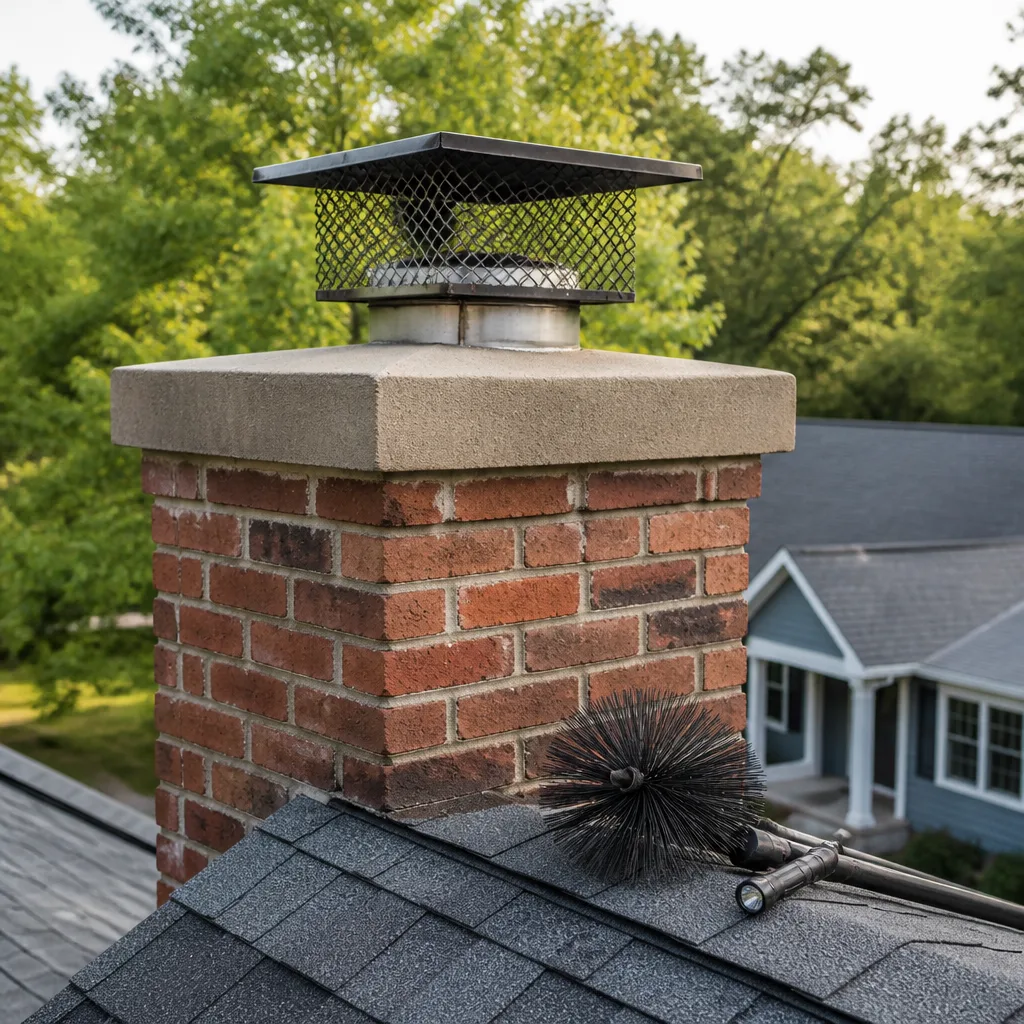 Sweep & inspection
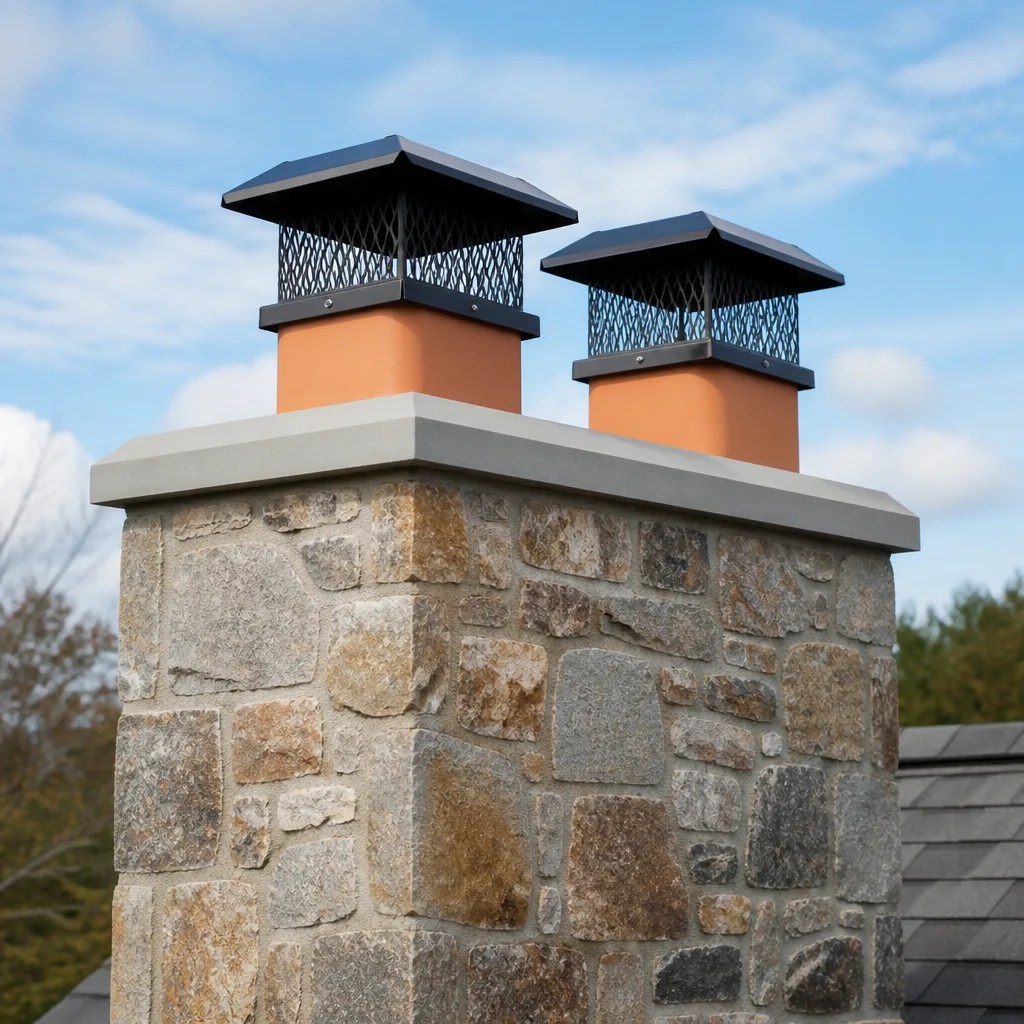 Caps & crowns
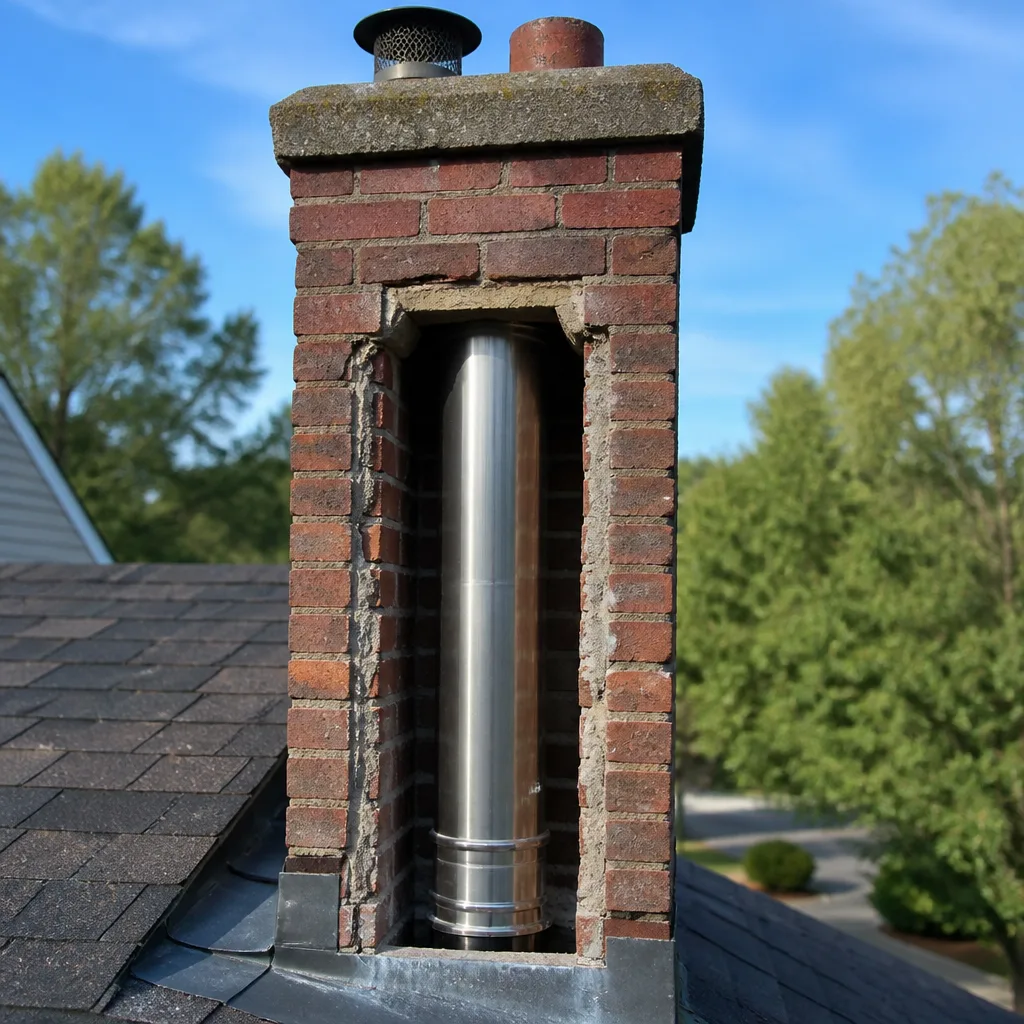 Flue relining
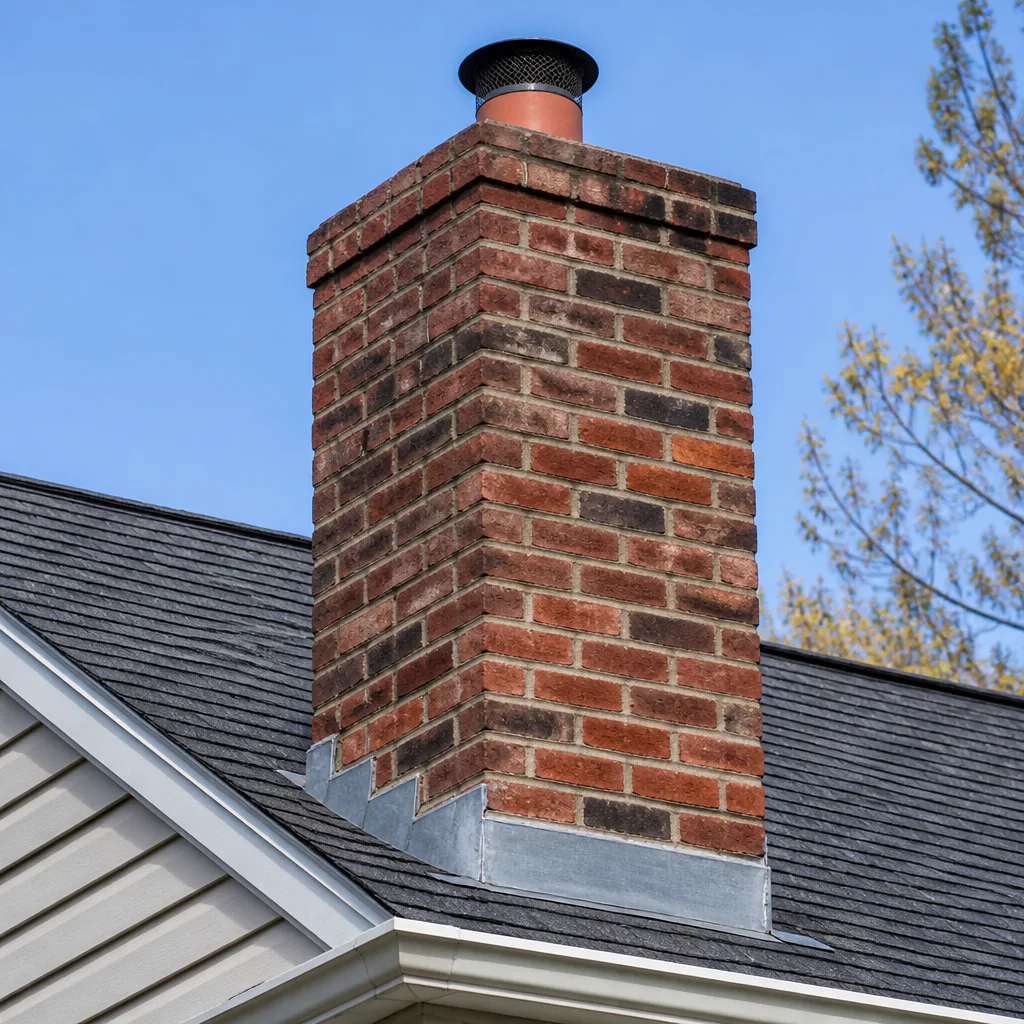 Masonry repair
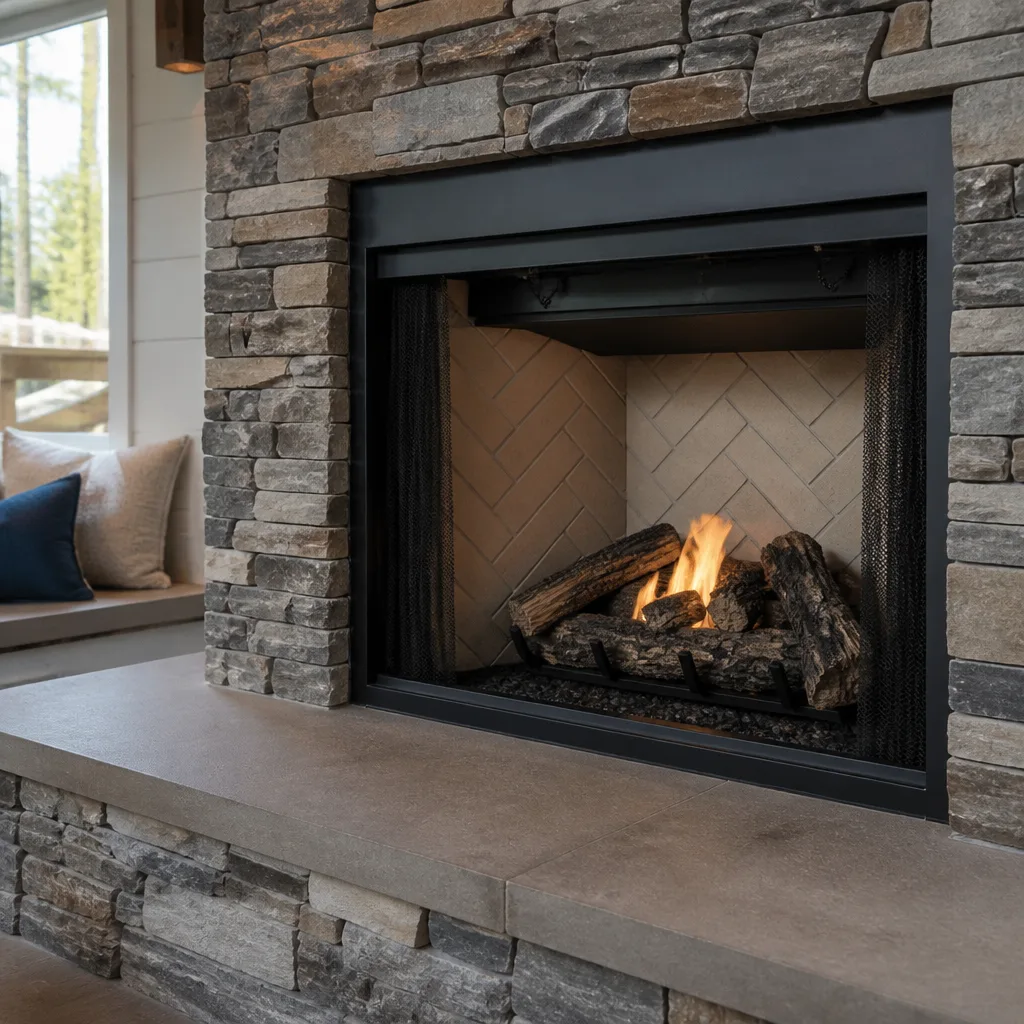 Gas fireplace service
Level 1 sweep and inspection to the NFPA 211 annual standard - flue, crown, cap, and flashing checked and photographed
Chimney sweep logs do not sweep chimneys. They loosen some creosote - which then falls where a brush and vacuum still have to collect it.
Chimney Sweep Maintenance Schedule: What to Do and When
The National Fire Protection Association says “at least once a year,” and that phrase has been repeated so often it sounds like the whole answer. It isn’t. That standard was written for the average home, not for the homeowner who burns every weekend through a Tennessee winter, and not for the one whose fireplace sat cold for three years before they lit the first fire this fall. A yearly sweep is a floor, not a schedule. What follows is a month-by-month maintenance calendar built around how Murfreesboro households actually burn, what shows up in flues around here, and what you can safely handle yourself. We’ll settle the September-versus-March timing debate, explain what a cord of wood really does to creosote, and cover the different clocks that gas inserts, wood inserts, and open masonry fireplaces run on.
Quick Answer
For most Murfreesboro households, the right schedule is a professional sweep and inspection each September before the first burn, a lighter check in late winter or early spring after the season ends, and a homeowner walkthrough of the damper, firebox, and cap several times through the year. Households burning a cord of wood or more, or burning frequently from October through February, often need more than one professional visit a season. Gas inserts and wood stoves follow slightly different calendars than open masonry fireplaces. If you’ve had a chimney fire, even a small one you weren’t sure about, that resets the whole schedule.
Styles & brands we work with
- Sweep & inspection
- Caps & crowns
- Flue relining
- Masonry repair
- Gas fireplace service
Table of Contents
- Why “Once a Year” Isn’t a Real Maintenance Schedule
- The Murfreesboro Month-by-Month Schedule
- Settle the Timing Debate: September or March?
- What Your Wood Use Says About Creosote
- What You Can Check Yourself (and What You Can’t)
- Different Appliances, Different Calendars
- What to Do After a Chimney Fire
- Keeping Records That Actually Help
Why “Once a Year” Isn’t a Real Maintenance Schedule
A sweep once a year tells you the flue was cleaned. It tells you nothing about whether the buildup between visits outpaced your burning, whether your crown cracked over the summer, or whether last winter’s heavy season left a glaze on the liner that a spring cleaning would have caught early. The annual standard assumes average use and average risk. Most homes are not average in either.
We’ve pulled a great deal of creosote out of Murfreesboro flues that were swept “last year” and were nowhere near safe to burn by November. The reason is simple: creosote accumulates according to what you burn, how hot you burn it, and how often. A homeowner who burns a cord of seasoned hardwood across a Tennessee winter builds buildup faster than someone who lights the fireplace on a handful of cold nights. Same calendar year, very different flue. That’s why a real schedule tracks use, not just the month on the wall.
There’s a second reason. Chimneys don’t only collect soot. They age between cleanings. Masonry absorbs moisture, crowns crack, mortar joints give out, and caps work loose. A schedule that only accounts for cleaning misses the structural side of maintenance. When we inspect, we’re checking both: the inside of the flue and the outside of the chimney. If you want to understand the cleaning side in more depth, the guide to chimney sweep covers what a professional sweep actually involves.
Our technicians have up to 9 years of experience, and the pattern they describe is consistent. The homes that stay safest aren’t the ones swept most often. They’re the ones whose owners check something between visits and call when a check raises a question.
The Murfreesboro Month-by-Month Schedule
This calendar is built for a household with an active fireplace or wood stove burning through the fall and winter. Adjust each block by a month or two if your season runs earlier or later. Murfreesboro’s climate matters here: warm, humid summers soften mortar and set the stage for the cracks we find in the fall, and burn season typically runs from the first cold snap in October through February or into March.
- September – professional sweep and inspection before first use. This is the anchor of the whole calendar. Schedule a full sweep and a documented inspection so the flue is clean and the chimney’s condition is known before you strike the first match.
- October – first burns, watch the draft. Light small fires first and watch how the chimney draws. Slow or smoky draft means call before you burn in earnest.
- November through February – check the firebox and damper between burns. Look for cracks, loose mortar, soot drifting into the room, or a damper that no longer seals. Clear the ash pit when it’s more than half full.
- Midseason (roughly January) – reassess if you burn heavily. Households burning a cord or more, or burning most days, often need a midseason check or sweep. Ask for one rather than waiting for the spring.
- March – end-of-season check. After the last fire, look for soot streaks, creosote on the firebox walls, and any damage the winter left behind. Gas inserts get a service check here.
- April through May – exterior review. After the freeze-thaw cycle, look at the crown, cap, and mortar joints from the ground. Cracked crowns and loose caps are the most common thing we find in spring. Our chimney repair service covers the fixes that come out of this review.
- June through August – cap and vent check. Warm-weather pests and nesting birds find open flues. Confirm the cap is intact and the flue is clear before the next season.
Two professional visits a year – one in September and one in late winter or spring – keep most Murfreesboro households well ahead of danger. If you burn heavily, budget for a third midseason check. If you’re unsure whether your burning counts as heavy, ask when you book your sweep.
Settle the Timing Debate: September or March?
September wins for most Murfreesboro households, and the reason is practical. A sweep in September cleans the flue before the first fire, so you start the season with a clean chimney and fresh knowledge of its condition. A sweep in March cleans up after the season and leaves the flue clean for months of disuse. Between March and October, that clean flue sits through humid summer months, which is when masonry softens and caps loosen. A little debris left from the season is less of a worry than a problem you didn’t discover until you tried to light a fire on the first cold night.
Where March has real value is the post-season review. After the fires stop, that’s the moment to catch what the winter did: cracked mortar, a damaged crown, a liner that’s tired, a cap knocked loose by a storm. Spring is also when gas inserts benefit from servicing before the off-season.
So the answer isn’t one or the other. It’s both, with different jobs:
- September sweep and inspection: clean flue, known condition, ready to burn.
- Late winter or spring review: catch what the burn season left behind and get repairs done before the slab of summer heat sets in.
If you can only do one visit a year, make it the fall sweep. If you only make one visit and you’re in Murfreesboro, make it before the first cold week of October. When the September book fills, having that date on your calendar beats realizing in November that the flue hasn’t been touched in two seasons.
What Your Wood Use Says About Creosote
Creosote builds according to how much you burn and how you burn it. The cleanest burning is hot, dry, and complete. The dirtiest is cool, damp, and smoldering. You can’t watch creosote accumulate, so use a simple proxy: how much wood you put through the fireplace in a season. A cord of wood is a stack roughly 4 feet high, 4 feet deep, and 8 feet long. Most Murfreesboro households will know roughly how many cord they burn, even from memory.
- Occasional use (a few fires a month, less than a cord): a single professional sweep and inspection each September is usually enough, assuming the wood is dry and the firebox is checked between burns.
- Moderate use (a cord or so, regular burns through the season): a September sweep plus a midseason check, and a spring review, is a more honest schedule.
- Heavy use (more than a cord, burning most days through winter): more than one professional sweep per season, and a careful eye on the firebox and cap between visits.
- Anything that burns cool and smolders: treat as heavy use, because slow, smoky fires leave glazed creosote faster than hot ones.
Wood quality matters as much as volume. Wet or unseasoned wood produces more smoke and more creosote because the fire spends its heat boiling off moisture instead of burning cleanly. Seasoned hardwood is worth the wait. If you’re unsure whether your wood is dry, split a piece and check whether it feels light and sounds hollow. Our technicians can point out the signs of glazed creosote on your firebox walls during a sweep. We show you what we find rather than telling you what you need.
What You Can Check Yourself (and What You Can’t)
Some of the maintenance schedule belongs in your own hands, and it’s worth doing between professional visits. None of it involves climbing a ladder or reaching into the flue. Professional chimney inspection and cleaning are the jobs for a trained technician; the high-tension cable of a fireplace damper, the interior of the flue, and roof access all carry real injury risk. The following are visual checks and small habits, not repairs.
- Damper function. Open and close the damper by hand. It should move smoothly and close fully. A damper that sticks or won’t seal lets heat out and smoke in.
- Firebox visual check. Look at the brickwork and mortar inside the firebox for cracks, crumbling, or white staining. Small hairline cracks in the firebox are common; deep cracks that let smoke into the masonry are a call-a-professional situation.
- Ash pit clearance. If your fireplace has an ash pit, clear it when ash builds up. Too much ash reduces airflow and can smother the fire.
- Cap and crown from the ground. Use binoculars or a phone camera to check the top of the chimney. Look for a missing cap, a cracked crown, or obvious storm damage.
- Soot and smoke stains. Soot streaks above the firebox or on the face of the chimney are a sign the chimney is no longer drawing cleanly. Note it and mention it when you book.
- Smoke and carbon monoxide alarms. Test them regularly. Carbon monoxide is the hidden risk of a blocked or damaged flue, and an alarm is your only real warning.
What not to attempt: sweeping the flue yourself, inspecting the inside of the flue, repairing mortar or the crown, or climbing onto the roof. Those are where injuries happen and where a quick look can miss something serious. If a check raises a question, call before your next burn.
Different Appliances, Different Calendars
Chimneys aren’t all the same appliance, and the maintenance schedule has to match the appliance. A gas insert, a wood-burning insert, and an open masonry fireplace all have different service needs and different failure modes.
Gas fireplace inserts
A gas insert doesn’t produce creosote the way wood does, so the creosote rules don’t apply. The risks are different: the burner and logs collect dust and debris, the vent needs to be clear, and the pilot and connections need checking. Gas appliance work belongs with a trained technician, since gas leaks and carbon monoxide are serious. Many Murfreesboro households run a gas insert as their primary heat through winter. A yearly service check before the season starts, plus a visual look at the logs and firebox, is the right cadence.
Wood-burning inserts
A wood insert produces creosote like a fireplace, and more of it, because inserts burn hotter and more efficiently but also concentrate heat and smoke in a smaller flue. The maintenance schedule for a wood insert runs slightly tighter than for an open fireplace: a September sweep, a close watch on glazed creosote, a midseason check if you burn heavily, and a spring review. Liner condition matters more here, since a cracked or worn liner is the failure point that lets heat reach the chimney structure. When we replace a liner, we work with professional brands like DuraFlex, and a proper installation is where an insert’s lifespan is set.
Open masonry fireplaces
The classic masonry fireplace is the most forgiving of the three but also the most exposed to weather. Cracks in the firebox, the crown, and the mortar joints are the common issues in a Murfreesboro climate. An annual September sweep, a spring review of the masonry, and a firm rule against burning wet wood keeps most of them in good shape.
Whatever the appliance, if the chimney is being used to vent it, the sweep, inspection, and any repair should sit with one company. Handling all three means no referral runaround when the inspection turns up something the sweep can’t fix. From the first sweep to the finished repair, you deal with one crew.
What to Do After a Chimney Fire
Even a small chimney fire that you never noticed resets the maintenance schedule. Chimney fires often burn quietly, and the evidence shows up weeks later: cracked tiles, warped metal, a glazed and shining liner, or a puff of smoke from somewhere it shouldn’t be. If you suspect one, the rule is simple: don’t burn again until a professional has inspected the chimney.
How to tell whether a fire has occurred:
- A loud roaring or rumbling sound during a burn that you didn’t cause.
- Falling soot, or pieces of creosote landing in the firebox.
- A strong, hot, unusual smell after burning.
- Discoloration or cracks in the liner or the top of the chimney.
- Smoke escaping from mortar joints or the face of the chimney rather than the top.
If any of those apply, stop burning and call to book an inspection before the next cold night. A chimney fire can damage the liner in ways invisible from the firebox, and that damage is exactly what lets heat reach the framing. Our inspection is a documented assessment, not an upsell. We show you what we find. If the liner is glazed or lightly damaged, resurfacing with a professional restorative material like HeatShield can sometimes bring it back without a full liner replacement; when a full liner is needed, we use professional products and work the fix into the same visit. Where a repair can safely wait, we’ll say so, and where it can’t, you’ll see the evidence yourself. If you’re in Murfreesboro and unsure whether the fire you had counts, an inspection settles it.
Keeping Records That Actually Help
A maintenance schedule only works if it survives the seasons. Keep a simple log for your chimney: the date of each sweep and inspection, what was found, what was fixed, and what’s scheduled next. Those notes matter in three ways. They show a future buyer the chimney has been maintained. They let you spot a pattern, like recurring glazed creosote that signals a burning-habit problem. And they save the next technician a lot of guessing, especially if the work shifts between companies.
A folder or notes app is fine. When you book a sweep, ask for the findings in writing, and keep the report. If a repair is recommended, a documented assessment from a prior visit gives you and the technician a baseline to compare against. Our inspection reports are written down for exactly this reason. It’s the difference between knowing your chimney was swept and knowing what was true about it.
Common Mistakes to Avoid
- Sweeping only when the fireplace gets smoky. Smoke is a late warning sign, and by the time you notice it, the buildup or damage has been building for a while. Commercial memory is unreliable; a calendar date is not. Put the September sweep in your calendar, and don’t wait for the smoke.
- Trusting a cheap sweep that offers no inspection. A sweep who cleans the flue and hands you a receipt with no findings is leaving the most important part of the visit undone. The inspection is what tells you the chimney is safe to use. A low price often means the inspection was skipped.
- Skipping a year because the fireplace went unused. A flue that sat empty for a season or two didn’t stay safe. Birds nest, caps work loose, and a previous season’s soot is still sitting there. A cold chimney is due for a sweep before the next fire just like a warm one.
- Burning wet or unseasoned wood. Wet wood is the fastest route to glazed creosote. The extra smoke cools the flue and dumps deposits that a hot fire would have sent up and out. Seasoned wood is worth waiting for.
- Ignoring a small chimney fire. Small fires leave real damage, and the damage is where the danger is. One call settles it; burning again before checking could turn a minor issue into a major repair.
- Treating a gas insert like a wood fireplace, or the reverse. Gas inserts don’t need a creosote sweep, but they do need servicing, and a wood insert needs a tighter schedule than an open fireplace. Get the appliance and the schedule matched.
- Doing the annual check-in from the armchair. The damper, firebox, ash pit, and cap each need a look during the season. Two minutes with a flashlight between burns catches things the sweep alone won’t.
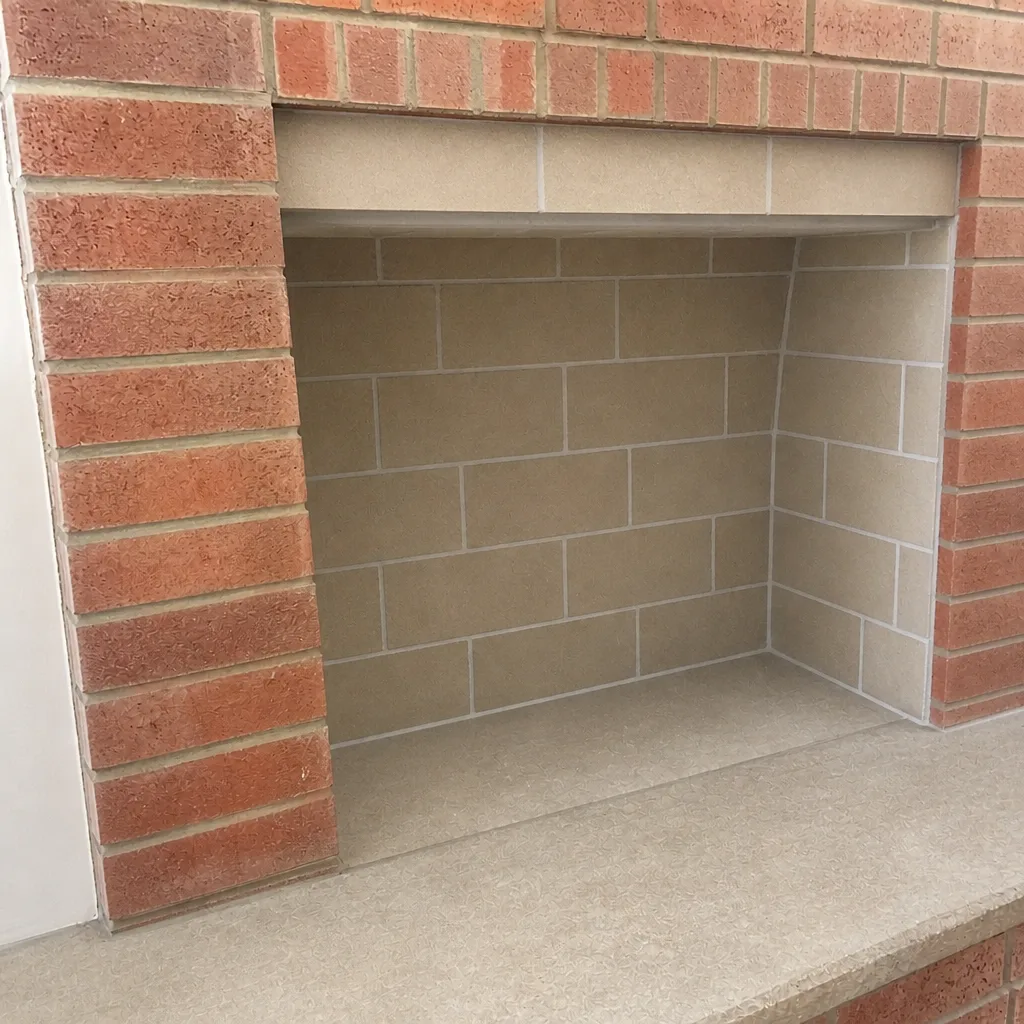
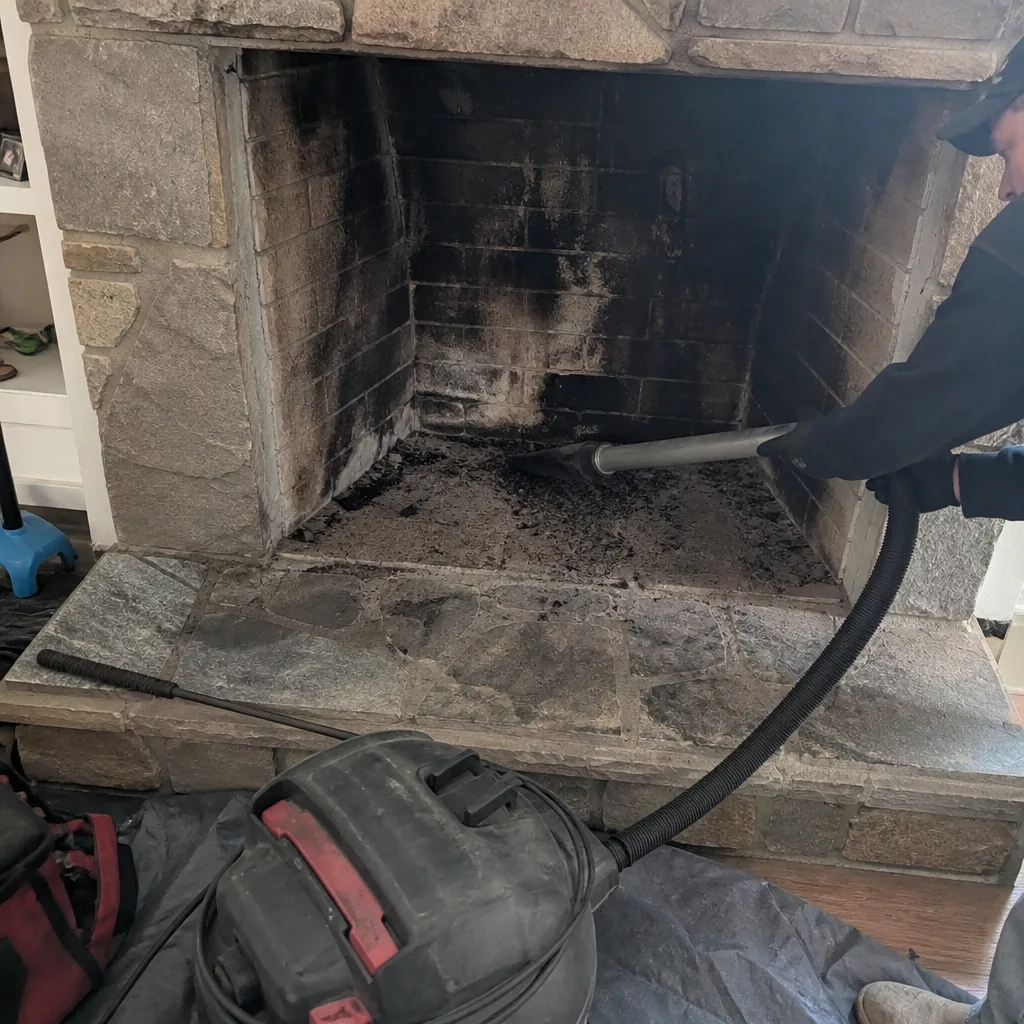
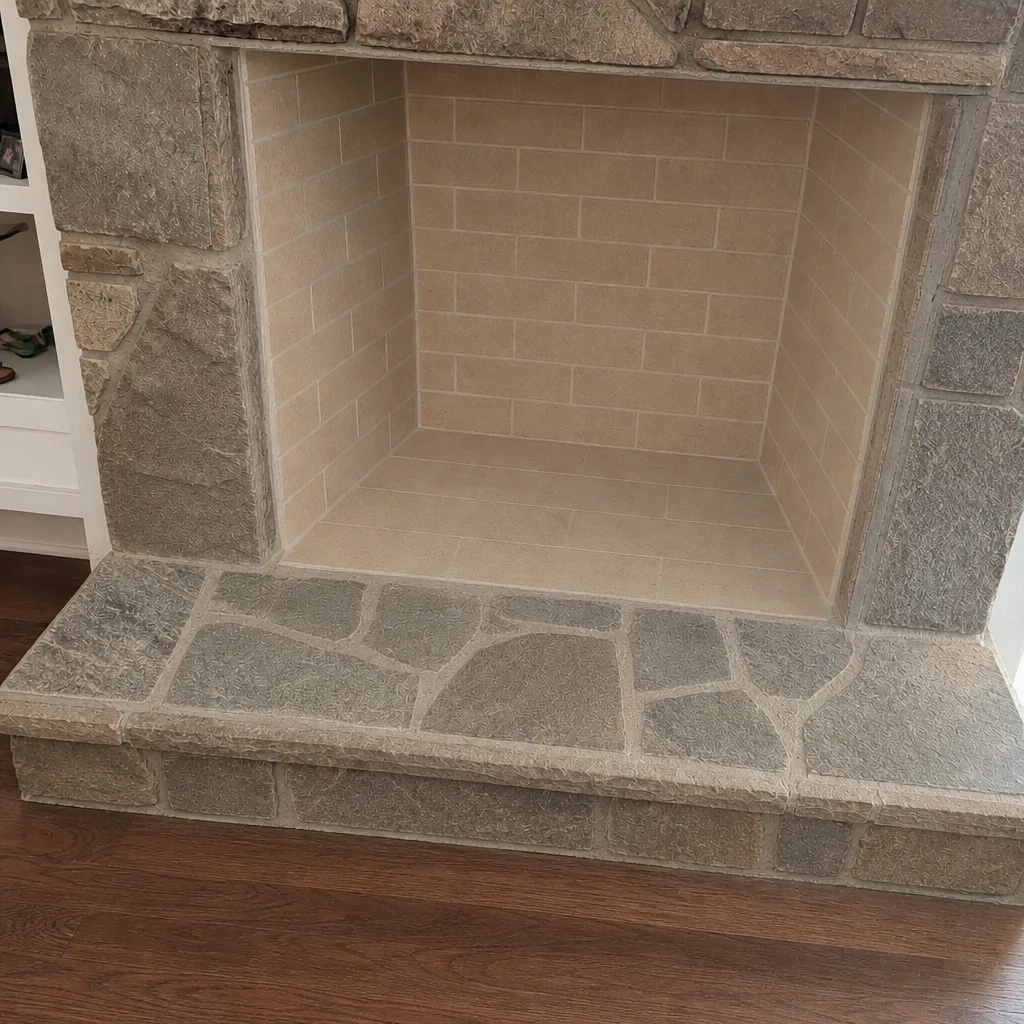
See the difference
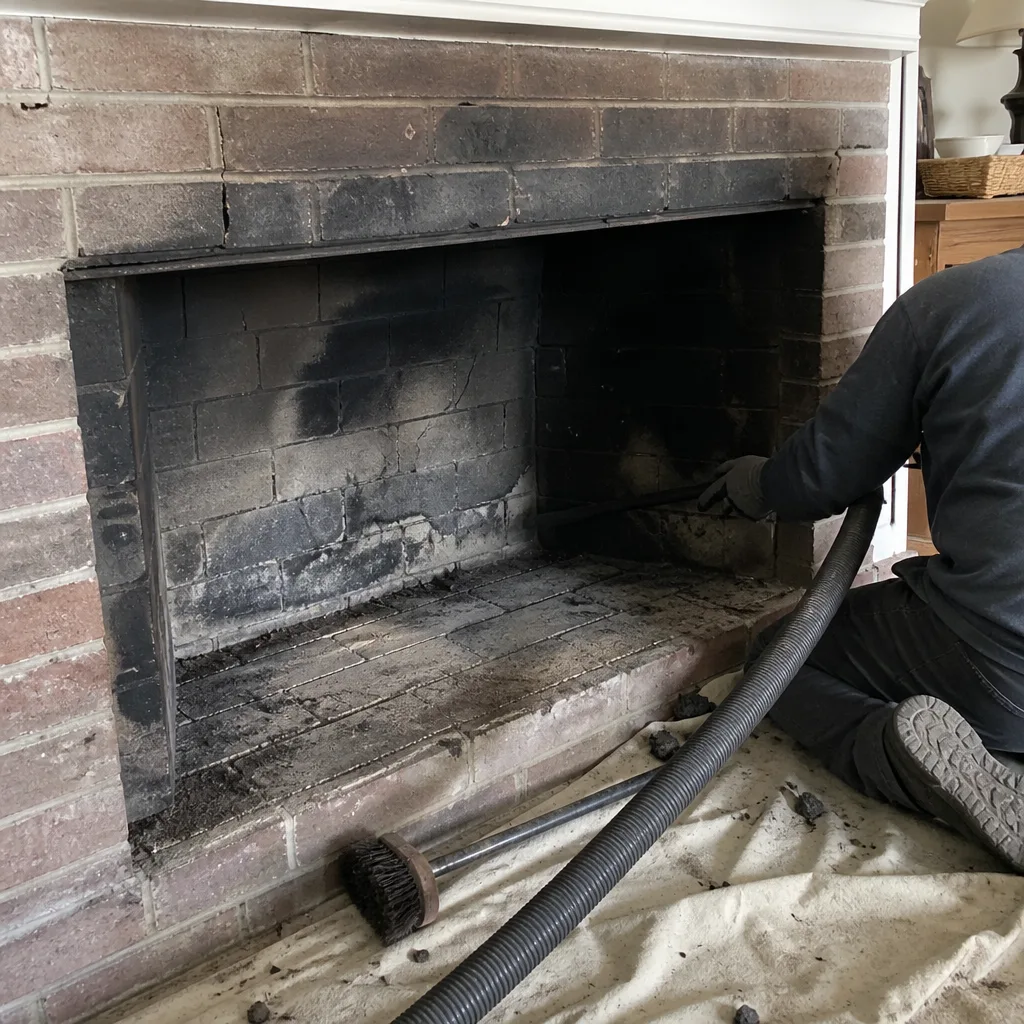 Before
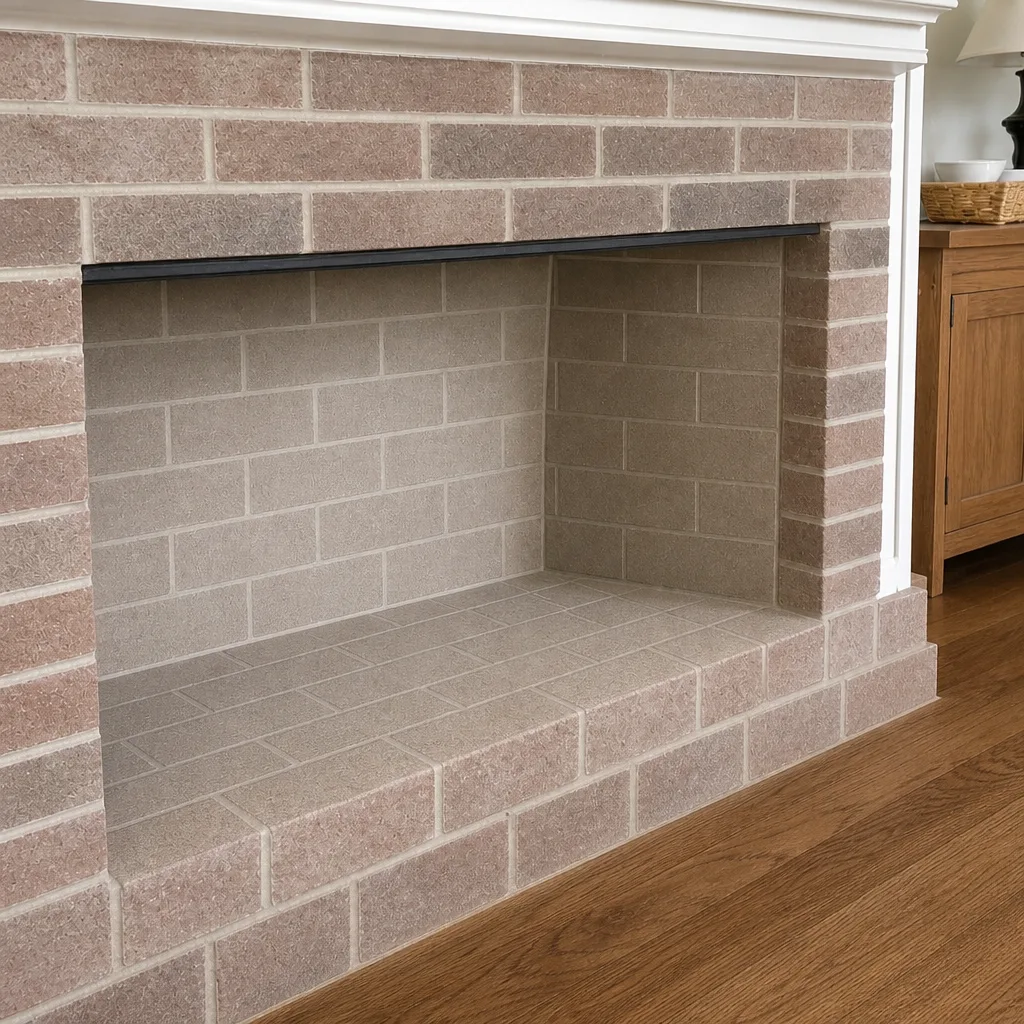 After
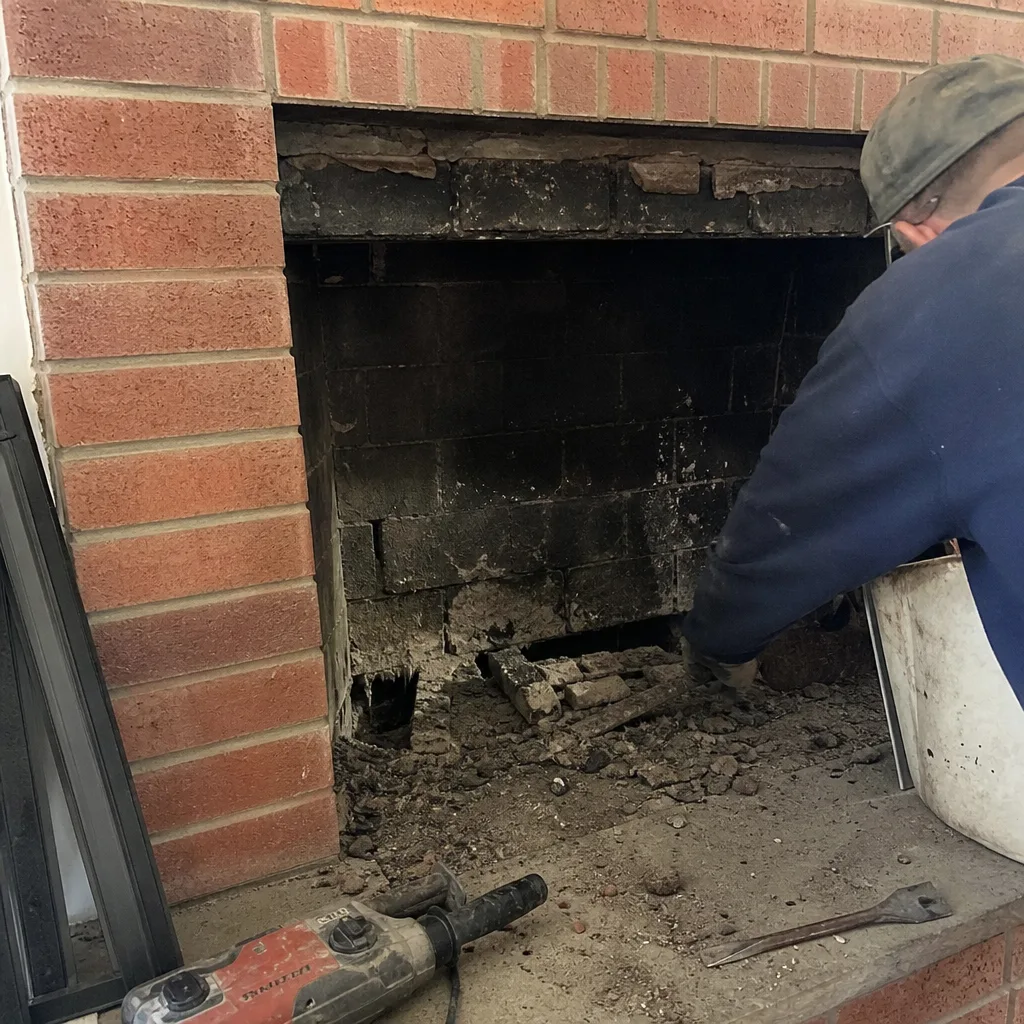 Before
 After
 Before
 After
When to Call a Professional
Call before the next burn if you’ve had any sign of a chimney fire, if smoke is entering the room or escaping the face of the chimney, if you spot deep cracks or crumbling mortar in the firebox, if the damper won’t seal, if the cap or crown is visibly damaged, or if you smell gas near a gas insert. Call before the first fire of the season even with no warning signs, because the September sweep is the anchor. There is no way to safely inspect the inside of the flue from the firebox; a trained technician sees things you can’t.
Goodwin Chimney Sweep offers free estimates in Murfreesboro. Call (844) 372-0461. We answer 24/7. Fast dispatch from 7am to 7pm, Sunday through Friday.
Frequently Asked Questions
Most Murfreesboro households need a professional sweep and inspection once a year, in September before the first burn, plus a lighter spring review. If you burn a cord of wood or more, or burn most days through the winter, plan for a midseason check as well. Properly dried wood and hot fires reduce buildup, but they don’t replace the inspection. Call (844) 372-0461 for an exact quote; estimates are free.
September is the better single visit for most households because it cleans the flue before the season and reveals the chimney’s condition right when you need to know it. March is valuable as a second visit for catching winter damage and getting repairs done before summer. Having both on the calendar beats picking one. Call (844) 372-0461 for an exact quote; estimates are free.
Yes, an annual inspection is still worthwhile, though occasional burners likely need just one visit a season. Creosote builds more slowly with light use, but chimneys also age between seasons, and caps, crowns, and mortar joints need a look. A quiet chimney can still be an unsafe one. Call (844) 372-0461 for an exact quote; estimates are free.
Creosote accumulates, and glazed creosote is the fuel that turns a small chimney fire into a serious one. A blocked or damaged flue can also back smoke into the home and, in the worst case, carbon monoxide. Skipping also lets small structural problems grow into expensive repairs. Having the inspection done early is the cheapest way to prevent both. Call (844) 372-0461 for an exact quote; estimates are free.
Signs include a roaring or rumbling sound you didn’t cause, falling soot or creosote in the firebox, cracked or glazed liner surfaces, and smoke escaping from mortar joints. If any of these match, don’t burn again until a professional inspects the chimney. Call (844) 372-0461 for an exact quote; estimates are free.
No. Gas inserts don’t produce creosote, so they need servicing rather than sweeping: a yearly check of the burner, venting, and connections, and a look at the logs and firebox. Wood inserts need a slightly tighter schedule than open fireplaces. Match the maintenance to the appliance. Call (844) 372-0461 for an exact quote; estimates are free.
The Bottom Line
An annual sweep is the floor, not the ceiling. For most households, the workable schedule is a September sweep and inspection before the first burn, a spring review to catch winter damage, and a hand-check of the damper, firebox, ash pit, and cap between visits. Tighter schedules apply if you burn a cord or more, burn most days through the season, run a wood insert, or use a gas insert with its own servicing needs. A small chimney fire resets the schedule entirely. Match the calendar to how you actually burn, put the dates in your phone, and keep the reports. From the first sweep to the finished repair, you deal with one crew.
If you’re ready to put this schedule on your calendar, call (844) 372-0461 for a free estimate. We answer 24/7. Fast dispatch from 7am to 7pm, Sunday through Friday. Whether you need a first sweep or a documented inspection to start the log, Goodwin Chimney Sweep handles sweep, inspection, and repair together. If you’re in or around Murfreesboro, we’ll show you what we find and leave you with a written record of the chimney’s condition.
Written by the team at Goodwin Chimney Sweep.