
Last updated November 15, 2026
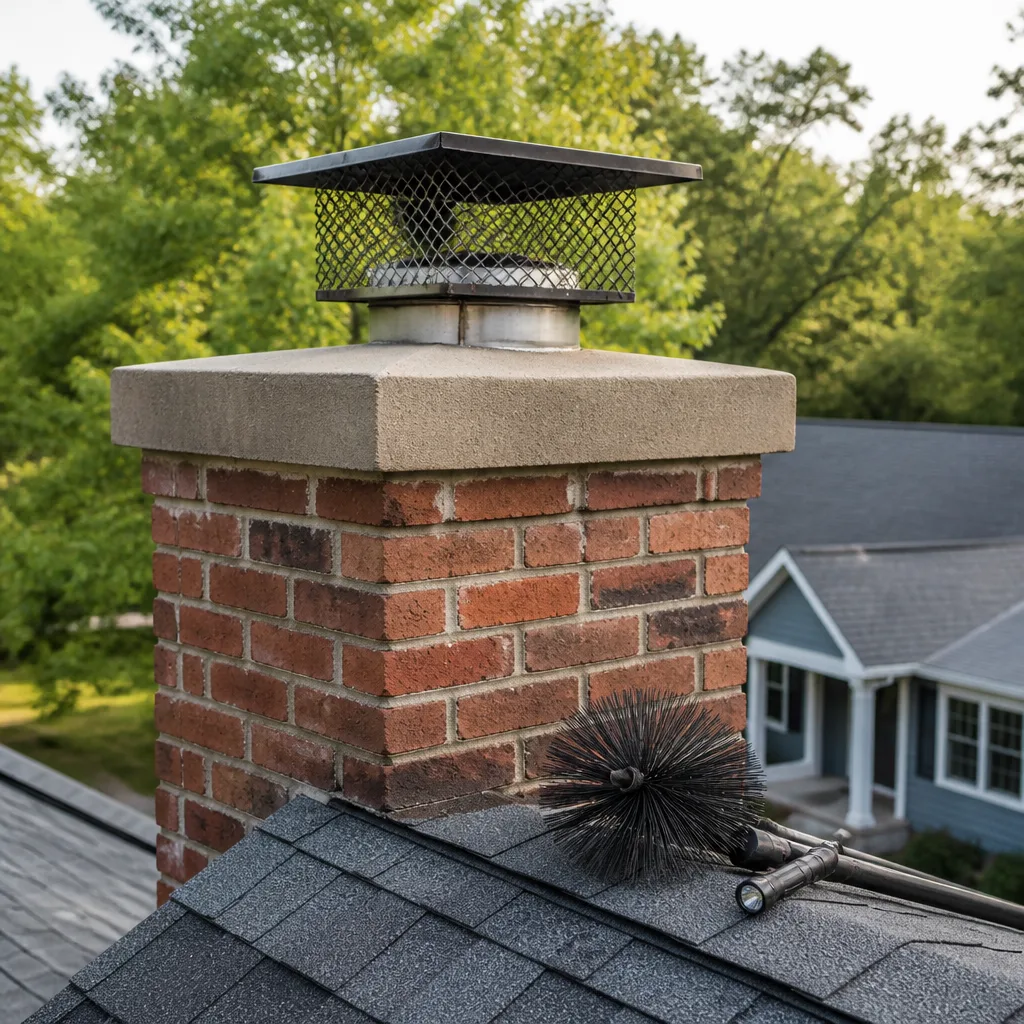 Sweep & inspection
 Caps & crowns
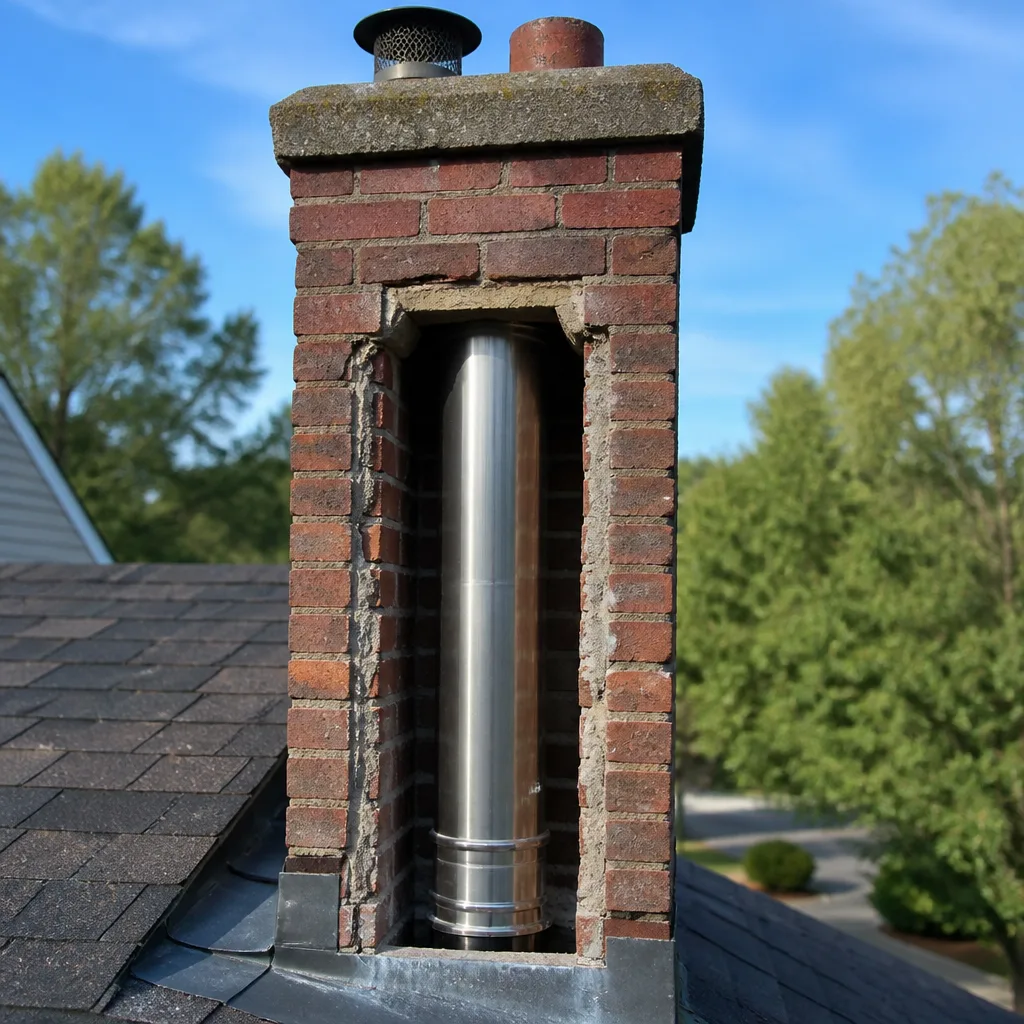 Flue relining
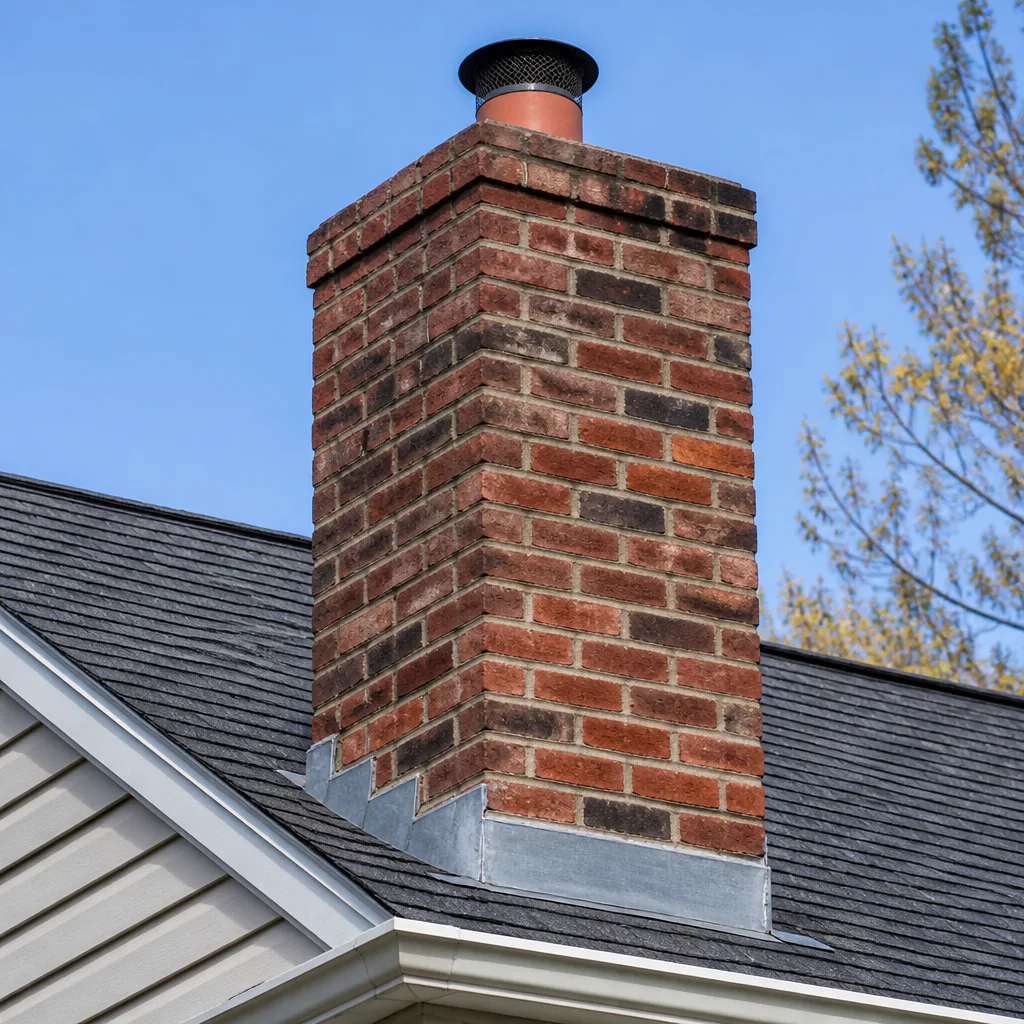 Masonry repair
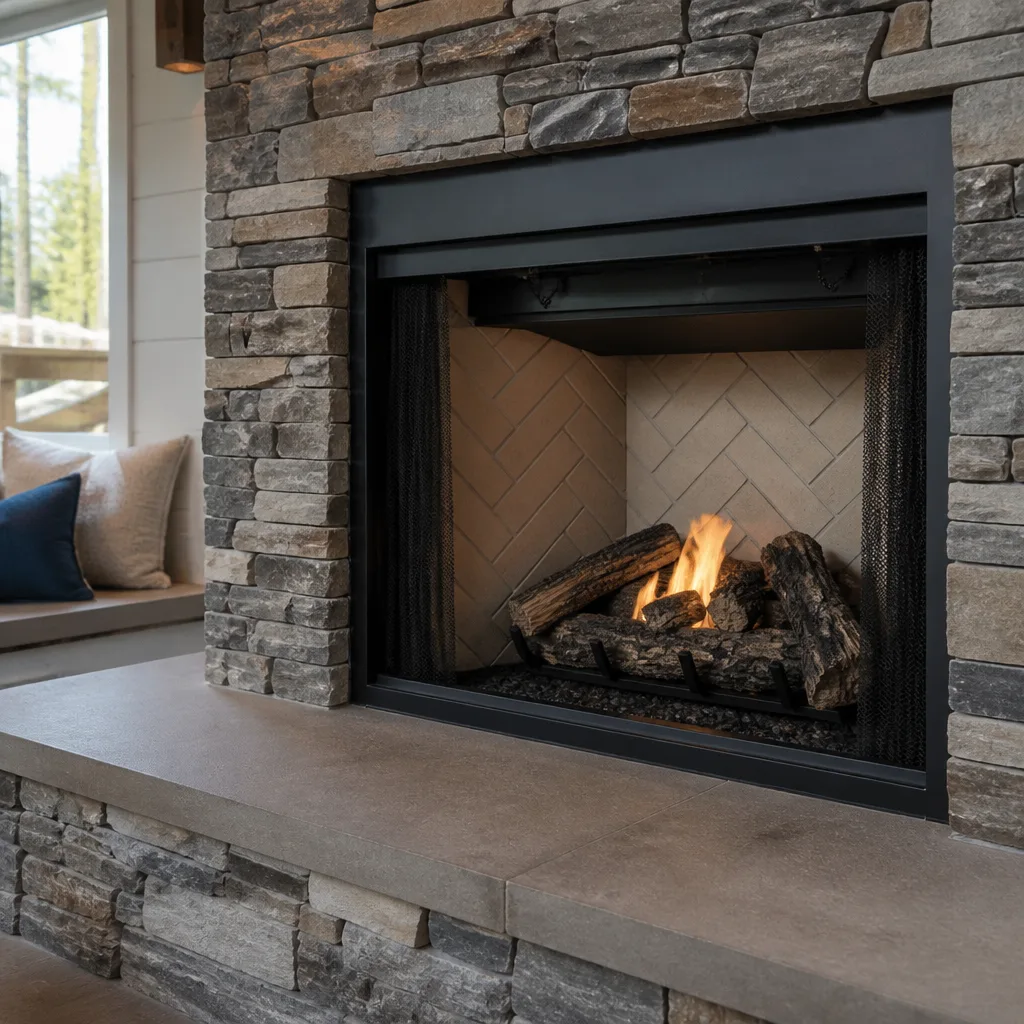 Gas fireplace service
Level 1 sweep and inspection to the NFPA 211 annual standard - flue, crown, cap, and flashing checked and photographed
Chimney sweep logs do not sweep chimneys. They loosen some creosote - which then falls where a brush and vacuum still have to collect it.
Choosing the Right Chimney Cleaning Brand: A Buyer’s Guide for Murfreesboro
Two chimney companies can look identical on the invoice. Both arrive with brushes, both run a vacuum, both hand you a receipt that says “swept.” Then the difference shows up years later, when one flue is still sound and the other has a cracked liner or a crown that’s crumbling into the attic. The thing that separated them was never the logo on the truck. It was the materials and methods they used once they were inside the house. In Murfreesboro, where summers run humid and winters swing hard between mild and freezing, those material choices get tested every year. This guide gives you a framework for judging a chimney contractor by what actually matters, so you can ask the right questions before anyone climbs on your roof.
Quick Answer
The best chimney cleaning company in Murfreesboro is the one that uses professional-grade liner systems, brushes, vacuums, cameras and sealants, can name the products it uses, and handles sweeping, inspection and repair under one roof so a discovered problem gets fixed by the same company that found it. A cheap sweep with retail-grade tools and no documented inspection isn’t a bargain. It’s an unverified flue.
Styles & brands we work with
- Sweep & inspection
- Caps & crowns
- Flue relining
- Masonry repair
- Gas fireplace service
Table of Contents
- Why Materials Matter More Than the Company Logo
- Professional-Grade vs. Retail-Grade Chimney Equipment
- Chimney Liner Materials Explained
- Sealants and Crown Coatings: What They Are and Aren’t
- How to Evaluate a Contractor’s Material Choices
- The Real Cost Comparison: Specialist vs. Sweep-and-Go
- Questions to Ask Before You Book
- Common Mistakes to Avoid
- When to Call a Professional
Why Materials Matter More Than the Company Logo
A homeowner in Murfreesboro has no way to eyeball a liner after it’s installed. It’s behind the firebox, up the flue, invisible. The contractor who used a professional-grade liner system and the one who used a thinner, cheaper substitute look exactly the same on the day the work is done. The difference surfaces years later when one liner has held its shape through heating cycles and the other has started to fail.
That’s the whole reason materials should drive your decision more than a company name, a slick website or a price that seems a little too good. The chimney trade has its own supply chain, and the products at the top of that chain are built to a different standard than what you’ll find at a general home center.
Here’s what separates professional-grade from retail-grade in practical terms:
- Tested to industry standards. Professional liner systems and sealants are manufactured and tested against recognized chimney industry standards for heat and corrosion resistance. Retail substitutes often aren’t rated for the temperatures a flue actually sees.
- Designed for the application. A liner system engineered for a wood-burning flue is built around that use. A generic flexible metal tube from a hardware aisle isn’t.
- Documented, traceable specs. Professional brands publish detailed specifications and installation requirements. That documentation is your proof, and it’s the difference between a claim and a fact.
- Warranty structure. Professional manufacturers stand behind their products with defined terms. That matters when a repair needs to hold for a decade or more.
We’ve seen what happens when a flue gets lined with the wrong product to save a few dollars up front. The material choices inside your chimney are the real brand of the company doing the work. In our experience, that’s the part homeowners should be evaluating before they ever pick up the phone.
Professional-Grade vs. Retail-Grade Chimney Equipment
Equipment is the second layer of the same question. A company can talk a good game about materials and then show up with tools that don’t match the claim. Professional chimney work depends on four categories of equipment, and each one has a professional tier and a retail tier.
Brushes
Professional chimney brushes are sized to the flue and rated for the material being cleaned. A poly brush for a stainless liner, a wire brush for a masonry flue – the wrong brush on the wrong surface can scratch a liner or leave creosote behind. A hardware-store brush improvised to fit is a sign the sweep is guessing.
Vacuums
A true chimney vacuum is a HEPA-rated unit with enough airflow to pull soot and dust out of the flue and keep it contained. A shop vac taped into the firebox won’t hold negative pressure, which means fine soot ends up on your furniture and in your air. If a crew walks in without a serious vacuum, the cleanup will show it.
Cameras
A chimney inspection camera lets the technician see the inside of the flue: the liner, the joints, the smoke chamber, the areas a brush never touches. It’s also the tool that lets you see what they see. A company that inspects without a camera is working blind.
Sealants
Crown repair and joint sealing live or die on the product. Professional-grade sealants are formulated for masonry and rated for exterior temperature swings. A tube of generic caulk from a hardware store will crack and peel within a couple of seasons in Tennessee’s freeze-thaw cycle.
The pattern across all four categories is the same: professional-grade gear produces a verifiable outcome, and retail-grade gear produces a guess. That difference is why our chimney sweep work is built around documenting what we find rather than describing it in general terms.
Chimney Liner Materials Explained
Most liner decisions come down to three material paths: stainless steel flexible liners, cast-in-place resurfacing, and aluminum liners. Each is appropriate for a different situation, and a contractor who recommends the same one for every job isn’t matching the material to the flue. Knowing the difference lets you sanity-check any recommendation.
Stainless Steel Flexible Liners
Stainless liners are the standard path for a wood-burning flue that needs a new liner or an existing one replaced. Flexible stainless systems like DuraFlex are built to navigate the offsets and bends common in older homes, which is a real advantage in Murfreesboro’s established neighborhoods where chimneys were built to fit the roofline rather than to make liner installation easy. Stainless is also the right material for a wood-burning stove or insert that needs its own dedicated flue.
Cast-in-Place Resurfacing
Cast-in-place resurfacing restores the inside of a masonry flue by applying a specialized material to the existing flue wall. HeatShield is the best-known system in this category. When the existing flue is structurally sound and just worn or rough, resurfacing can restore it without pulling out and replacing the entire liner, which can be a substantially different job. This is a capability most sweep-only companies simply don’t have.
Aluminum Liners
Aluminum liners are appropriate in specific, narrower applications. They’re not a universal substitute for stainless in a wood-burning flue. If a contractor proposes aluminum for a wood-burning setup, ask why stainless isn’t the fit. A straight answer with a reason is a good sign; a shrug isn’t.
What each material is not appropriate for matters as much as what it is. The right conversation goes: what’s in your flue now, what condition is it in, and which of these paths fits. If the answer skips straight to a single solution, slow down.
Sealants and Crown Coatings: What They Are and Aren’t
The top of your chimney takes more weather than any other part of the structure. The crown – the concrete cap that sheds water away from the flue – and the sealant that closes the seams between the flue and surrounding masonry are the first line of defense. When they fail, water gets in, and water damage to a chimney is slow, expensive and largely invisible until it isn’t.
Professional-grade crown coatings and masonry sealants share a few characteristics:
- They’re formulated for exterior masonry, not interior or general-purpose use.
- They flex with temperature movement rather than cracking under it.
- They’re rated for the range of conditions a Middle Tennessee roof experiences across a year.
- They carry defined manufacturer specifications so the installer’s claim can be checked.
What they are not is a generic tube of hardware store caulk. That’s not marketing – it’s chemistry. A product designed to seal a bathtub joint isn’t designed to hold up on a chimney crown that expands and contracts through dozens of freeze-thaw cycles a year.
They’re also not a substitute for structural repair. A crown coating is not the answer when the crown itself is broken or separated from the flue. Coatings protect a sound crown; they don’t rebuild a failed one. Copperfield makes components used in crown and cap work, and Gelco covers a range of venting and top-of-chimney products – both are professional brands, and both are made to be installed by someone who understands what the product is and isn’t rated for. If a contractor can’t tell you the difference, they may not know the top of your chimney as well as they say.
How to Evaluate a Contractor’s Material Choices
You don’t need to memorize product lines to evaluate a chimney contractor. You need a short set of questions and the discipline to actually look up the answers. Here’s a step-by-step framework:
- Ask for product names, not categories. “We use a professional-grade liner” is not an answer. “We install DuraFlex for flexible stainless applications, HeatShield for cast-in-place resurfacing, and Copperfield components for crown and cap work” is. Write the names down.
- Look up the manufacturer. Every professional chimney brand publishes product specifications. Search the name, read the product page, and confirm the product is what the contractor said it was and rated for the job they’re proposing.
- Ask what the manufacturer’s warranty covers. A warranty on the product itself and a workmanship warranty on the installation are two different things. Ask about both.
- Ask why that material was chosen for that flue. A cast-in-place resurfacing recommendation should come with an explanation of why the flue’s condition supports restoration rather than a full liner replacement. If the explanation doesn’t match the flue, ask again.
- Ask for the inspection findings in writing. Photos or a camera walk-through, plus a written summary, let you verify the recommendation against what’s actually in the flue. A contractor who can’t show you what they found is asking you to take the recommendation on faith.
That framework is why we show you what we find. The materials conversation and the inspection report are the same conversation – the recommendation should follow directly from what’s visible in the flue. Anything else is a pitch.
The Real Cost Comparison: Specialist vs. Sweep-and-Go
A full-service chimney specialist generally costs more than a basic sweep, and that’s not an accident. The specialist brings professional-grade equipment, a documented inspection, and the material quality that lets a repair last. The sweep-and-go crew brings a brush and a flashlight. The real comparison isn’t the two invoices on the day of the visit. It’s the 10-year cost.
Here’s how the two paths tend to break down:
- Basic sweep. Lower cost on the day. No camera inspection, no documentation, no material specification unless a problem turns into a separate job. If the flue is in rough shape, the cost of a proper repair arrives later as a separate visit from a different company.
- Full-service specialist. Higher cost on the day, which includes the inspection and the documentation. Any repair gets planned from verified findings, using professional-grade materials. The same company handles the work, so there’s no referral round trip.
- What the gap buys. A verifiable record of the flue’s condition, a repair path backed by manufacturer specs and a product warranty, and a cleaner result on the day of the sweep. Those are the costs that don’t recur.
On the other side of the ledger, the sweep-and-go route tends to generate repeat visits. A generic sealant fails, so the crown gets resealed again. A thin liner holds up for a few seasons and then fails with a bigger repair attached to the replacement. In our experience, the cheapest quote on the day is rarely the cheapest bill across a decade. That’s the trade-off worth understanding before you decide which path fits your house.
The right question isn’t “why does the specialist cost more.” It’s “what does the specialist’s extra cost actually buy, and is that what my chimney needs right now.” For a flue in good shape, a sweep and a documented inspection may be all the job requires. That’s a fair outcome, and it’s one we’d tell you plainly.
Questions to Ask Before You Book
These questions separate a contractor who can back up the pitch from one who can’t. Write them down and work through them on the phone before you commit to a visit.
- What liner brands do you install? Listen for professional names like DuraFlex or HeatShield, not generic descriptions.
- Do you inspect with a camera, and will I see the findings? A camera walk-through plus a written summary should be part of the visit.
- What does the sweep include? The flue, the firebox, the smoke chamber and the top of the chimney are all part of the job.
- Do you handle repair in-house, or will you refer it out? Sweep, inspection and repair handled by the same company means no handoff, no re-explaining the problem, and no referral markup.
- What does the written estimate cover? Price is set per job by the written estimate, and it should be specific.
- What warranty comes with the material and the work? Manufacturer warranty and workmanship warranty are two separate things. Ask for both.
- How do you decide between resurfacing and a full liner replacement? The answer should trace back to what the flue looks like, not to what the crew prefers to install.
None of these questions require technical expertise to ask. They require only a contractor willing to answer. A company that hesitates on the brand or refuses to put findings in writing is telling you something important. For the Murfreesboro-area homeowner, that hesitation is the answer. Our chimney repair work is built around documented findings first and a written plan second.
Common Mistakes to Avoid
- Choosing on price alone. The lowest quote in Murfreesboro often reflects retail-grade materials and no camera inspection. You save on the visit and pay again when the flue needs a second visit for a repair the first contractor couldn’t handle.
- Accepting a recommendation with no evidence. A liner replacement is a real expense. Ask to see the camera findings before you agree to one. A recommendation you can’t verify is a guess, and a good contractor will show you the problem, not just describe it.
- Skipping the crown and cap. The top of the chimney takes the weather. A clean flue under a failing crown will still take on water, and water damage doesn’t wait. Ask what condition the crown and cap are in, and what product is being used to repair or protect them.
- Mixing repair materials across visits. A sealant from one crew and a crown from another can fight each other. When the same company handles the sweep, inspection and repair, the materials work together.
- Treating the inspection as a formality. The inspection is the substance of the visit. It’s how you learn what’s actually in your flue and what – if anything – needs to be done before the next burning season.
- Confusing a brand name on a website with a brand name on a material spec sheet. Anyone can put brand names in a paragraph. Ask for the product names relevant to the specific job the contractor is proposing, and look them up.
- Waiting until the flue has failed. A creosote-heavy flue or a worn liner is a problem near the start, not just at the end. A sweep and inspection ahead of burning season gives you time to make a measured decision instead of an urgent one.
When to Call a Professional
Some chimney work is genuinely a professional’s job, and no amount of product knowledge replaces a trained set of hands. Call a professional when:
- You smell smoke in the house when the fireplace is in use, or the fire doesn’t draft properly.
- You’ve burned a full season or more without a sweep and don’t know what the flue looks like.
- The chimney has visible damage on the crown, cap or masonry, or you see staining on the exterior.
- A prior inspection flagged a liner problem, a cracked flue tile or a failed joint.
- You’re switching to a wood-burning insert or stove and need to know whether the flue is rated for it.
- It’s been long enough since the last sweep that you can’t say when it happened.
Goodwin Chimney Sweep offers free estimates in Murfreesboro. Call (844) 372-0461 to book a sweep, an inspection, or both. Estimates are free, the price is set per job by the written estimate, and you’ll see what we find before any repair is discussed. We answer 24/7. Fast dispatch from 7am to 7pm, Sunday through Friday.
See the difference
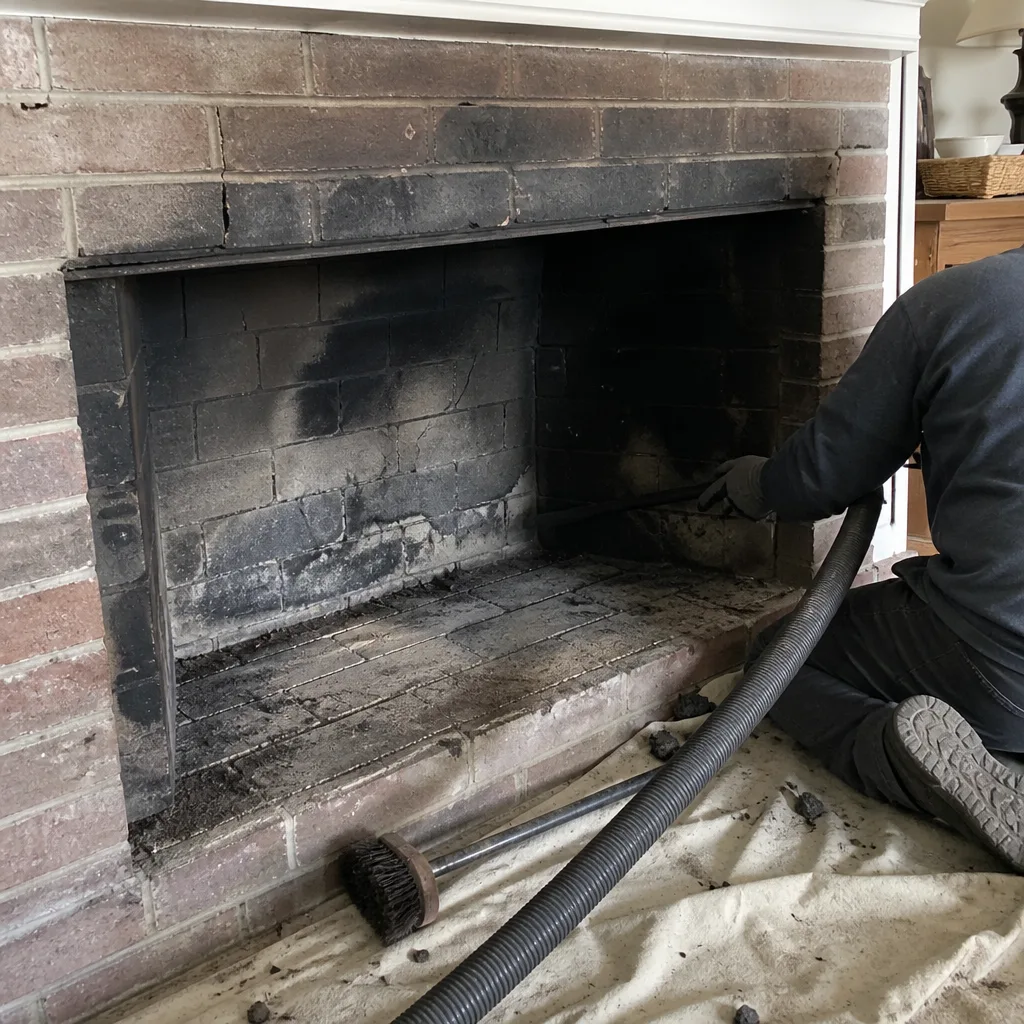 Before
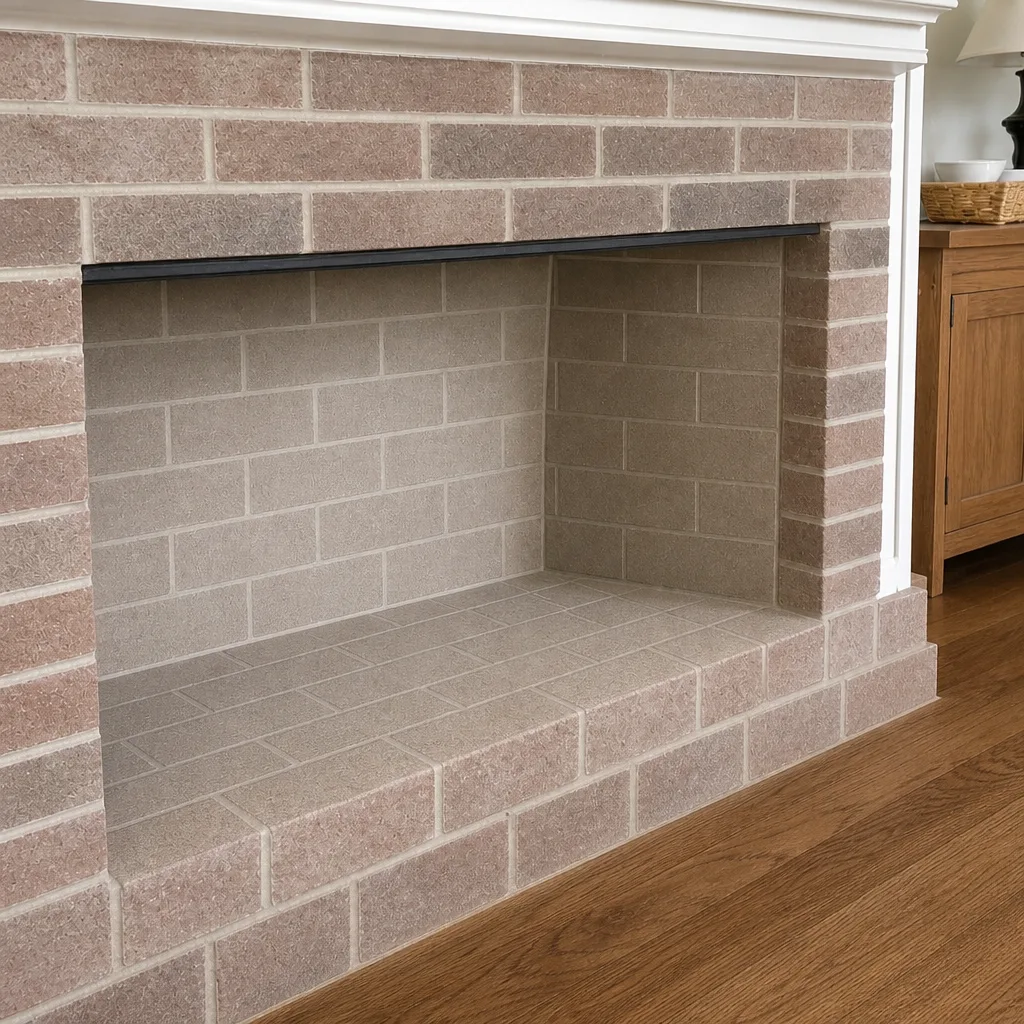 After
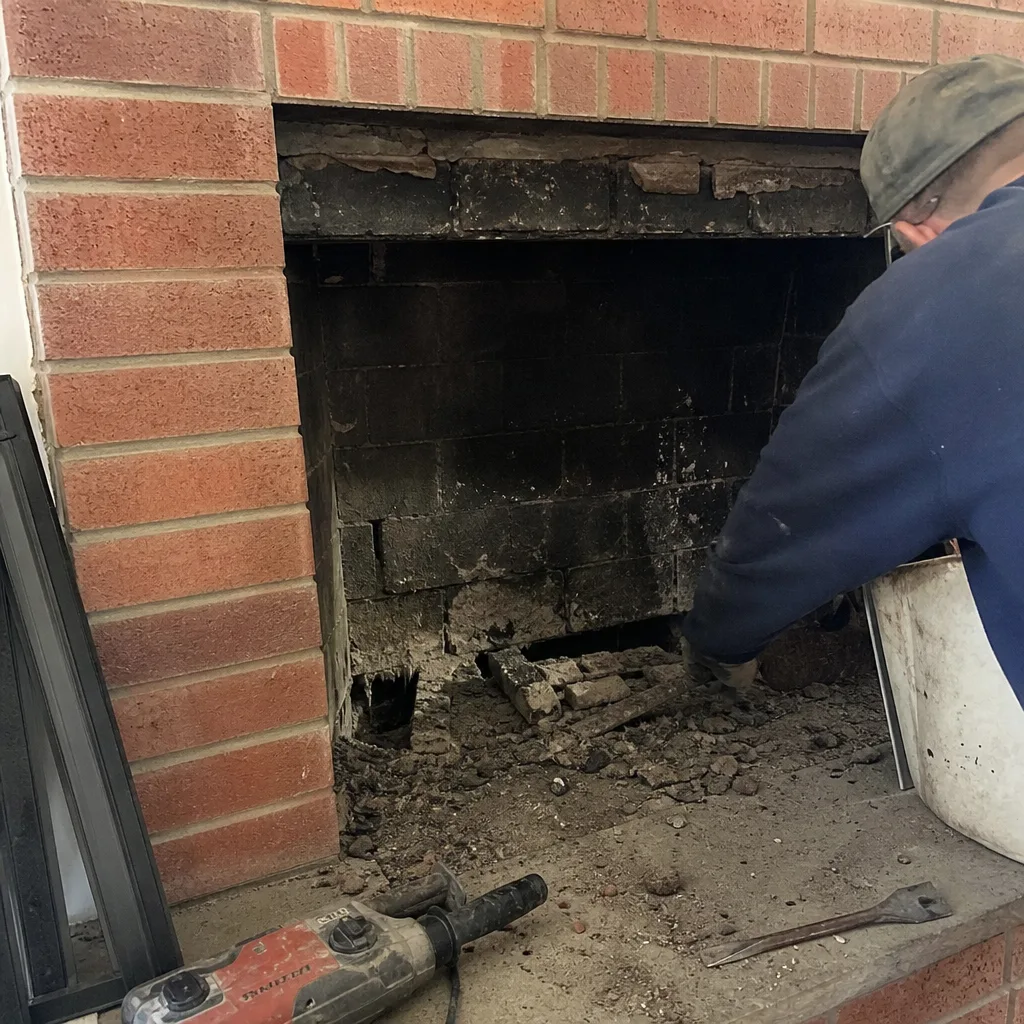 Before
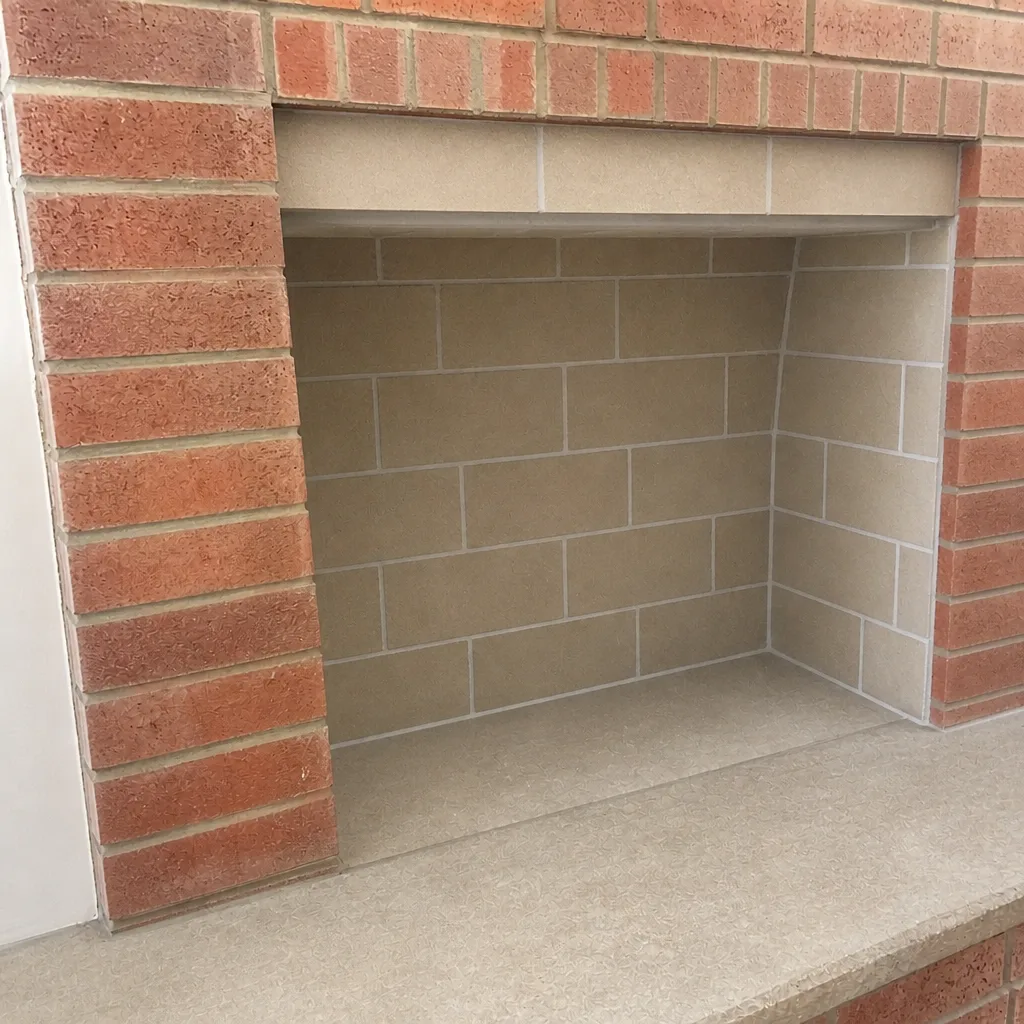 After
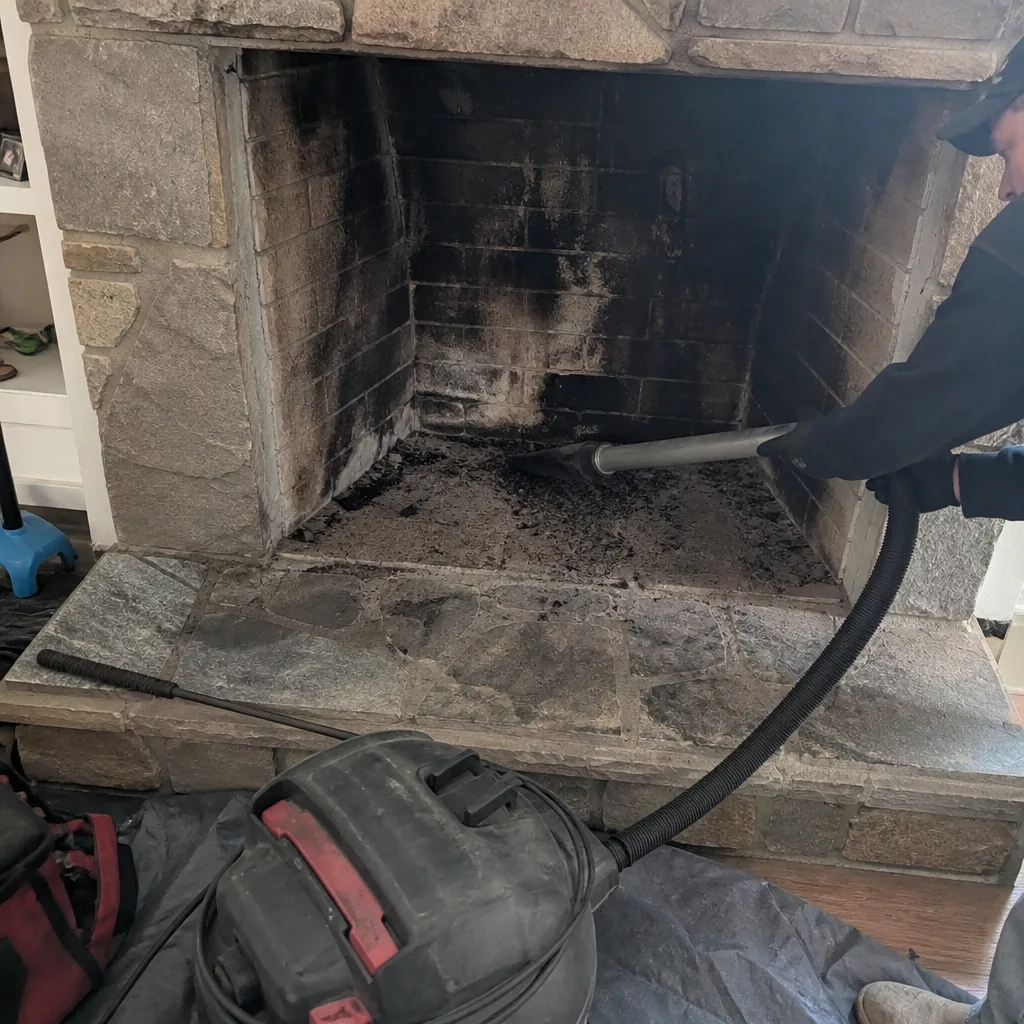 Before
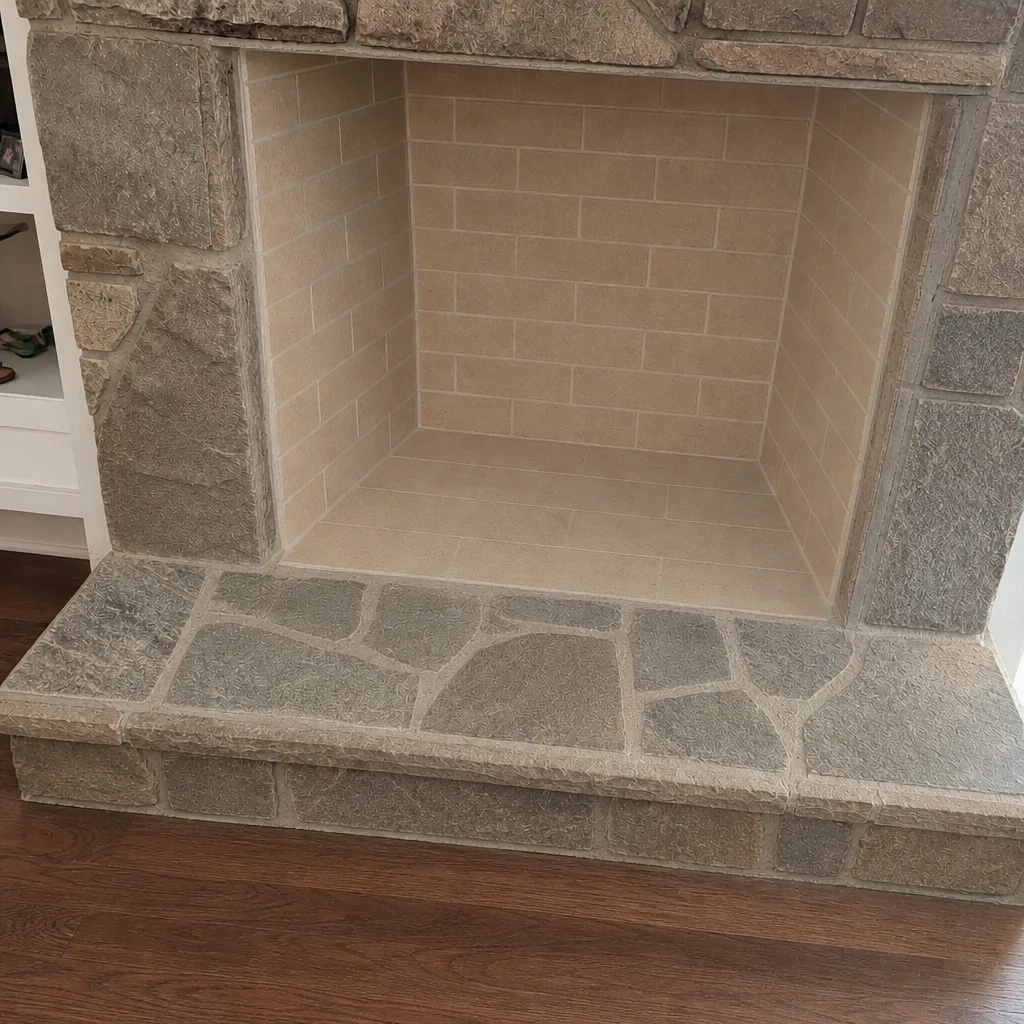 After
Frequently Asked Questions
Look for a company that uses professional-grade equipment and materials, inspects with a camera and shows you the findings, and handles sweeping, inspection and repair under one name. Ask for the brand names of the materials they install, and confirm those brands make products rated for the job being proposed. A contractor who can name DuraFlex, HeatShield, Copperfield or Gelco and explain why one fits a specific flue is demonstrating the kind of knowledge you want inside your chimney. Call (844) 372-0461 to talk through your situation. Estimates are free.
A chimney sweep is priced per job by the written estimate, and the range depends on the flue, the access and what’s found during inspection. The better question is what the visit includes. A sweep with a camera inspection and a written report is a different service from a brush-and-go visit. Ask what the estimate covers before you book, and ask whether inspection findings come in writing. Call (844) 372-0461 for an exact quote. Estimates are free.
A new liner is recommended when the existing flue wall or liner is damaged in a way that can’t be restored. That’s a conclusion that should come from a camera inspection, and you should be able to see the findings yourself. When the flue is structurally sound and merely worn, cast-in-place resurfacing with a HeatShield-type system can restore the flue without a full liner replacement. If a contractor recommends replacement without showing you the flue, ask for the inspection findings first. Call (844) 372-0461 to book an inspection. Estimates are free.
Cast-in-place resurfacing restores the inside of an existing masonry flue by applying a specialized material to the flue wall. A stainless flexible liner installs a new liner inside the flue and is the standard path when the existing flue needs to be replaced rather than restored, or when a wood-burning stove or insert needs a dedicated flue. The right choice depends on the condition of the flue and the appliance it serves, not on a single preferred product. Call (844) 372-0461 to talk it through. Estimates are free.
A chimney should be swept when creosote buildup in the flue reaches a level that needs removing, and that level depends on how much you burn and how well the appliance drafts. For a household that burns regularly through the season, an annual sweep ahead of burning season is the common pattern. A home that burns occasionally can go longer, but the flue should still be inspected periodically. If you don’t know when your chimney was last swept, that’s the moment to book one. Call (844) 372-0461. Estimates are free.
Creosote accumulates in the flue with every fire, and a heavy buildup creates a real chimney fire risk. The other risk is carbon monoxide backing up into the home when a flue is blocked or a liner has failed. These aren’t reasons to panic, but they are reasons not to skip the sweep indefinitely. A flue inspection catches a liner problem while it’s still a repair, not a replacement. Call (844) 372-0461 to book a sweep or inspection. Estimates are free.
The Bottom Line
The chimney contractor’s logo is the least useful thing to evaluate. The materials and methods are the whole decision. A sweep with professional-grade brushes, a HEPA vacuum, a camera inspection and documented findings delivers a verifiable result. A liner installed with DuraFlex or restored with HeatShield is backed by manufacturer specs and a product warranty. Crown and cap work done with Copperfield or Gelco components is built to handle a Middle Tennessee year. The specialist costs more up front, and the sweep-and-go crew is cheaper on the day. The 10-year math favors the materials. When you’re ready to see what’s actually in your flue, Murfreesboro homeowners can reach Goodwin Chimney Sweep for a free estimate.
Ready to See What’s in Your Flue?
Goodwin Chimney Sweep handles sweeping, inspection and repair under one company, using professional-grade materials from brands built for the trade. Our technicians have up to 9 years of experience, and we’re licensed and insured. We’ll show you what we find, explain what can safely wait, and put the price in writing before any work starts. Call (844) 372-0461 for a free estimate. We answer 24/7. Fast dispatch from 7am to 7pm, Sunday through Friday.
Written by the team at Goodwin Chimney Sweep.