
Last updated November 15, 2026
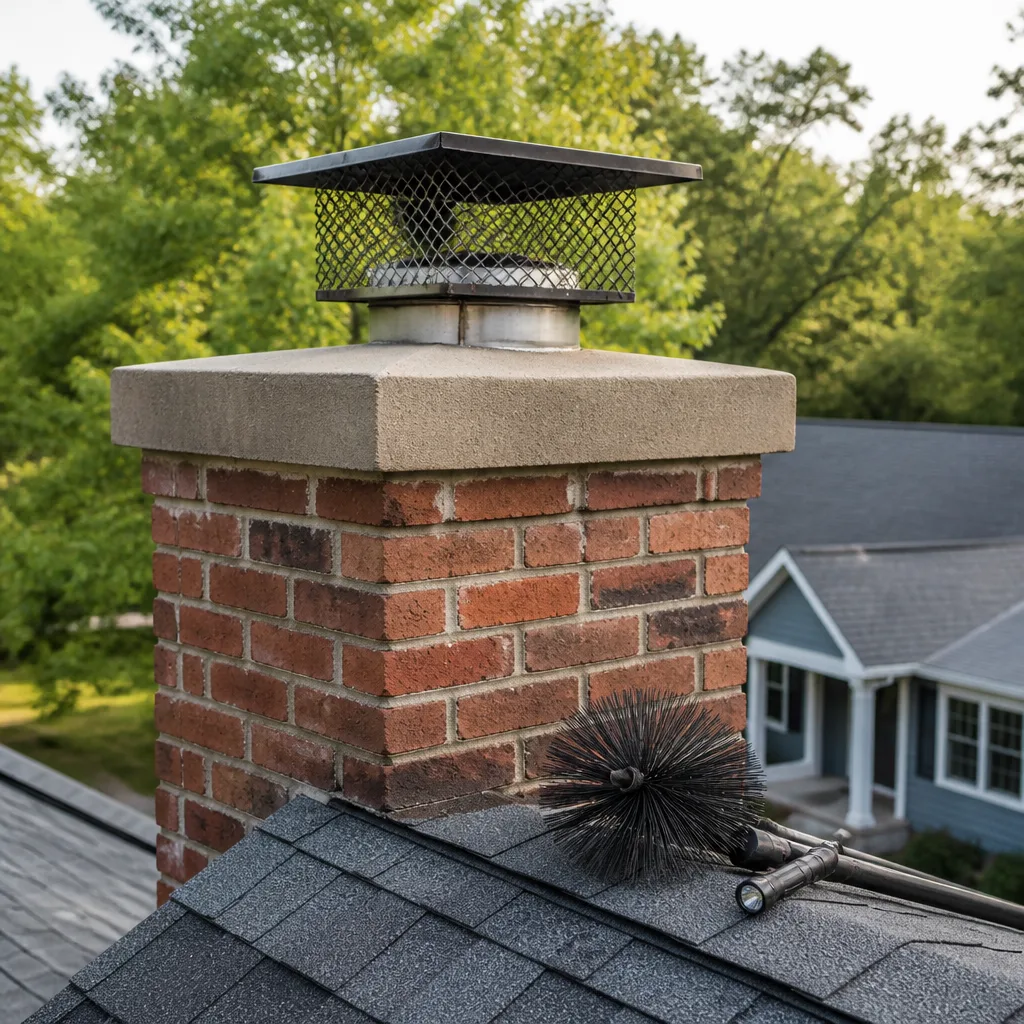 Sweep & inspection
 Caps & crowns
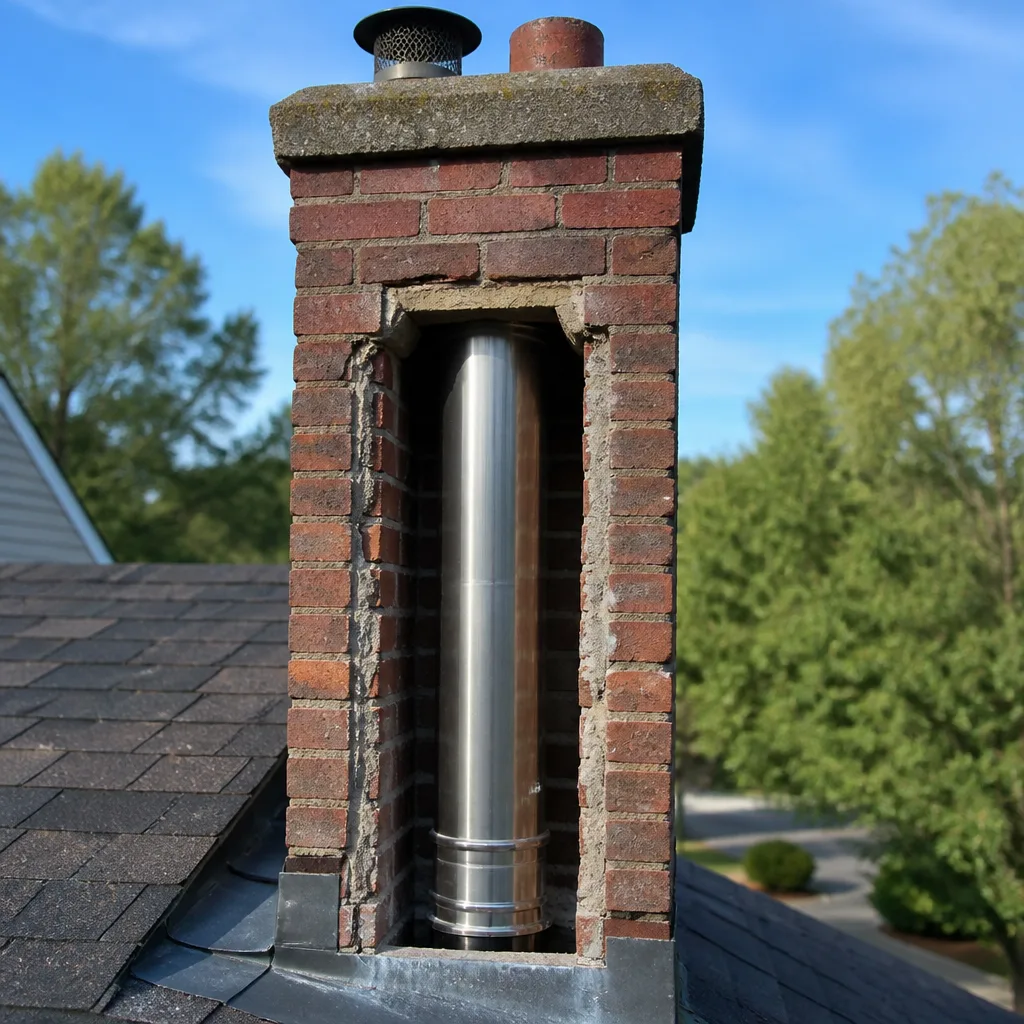 Flue relining
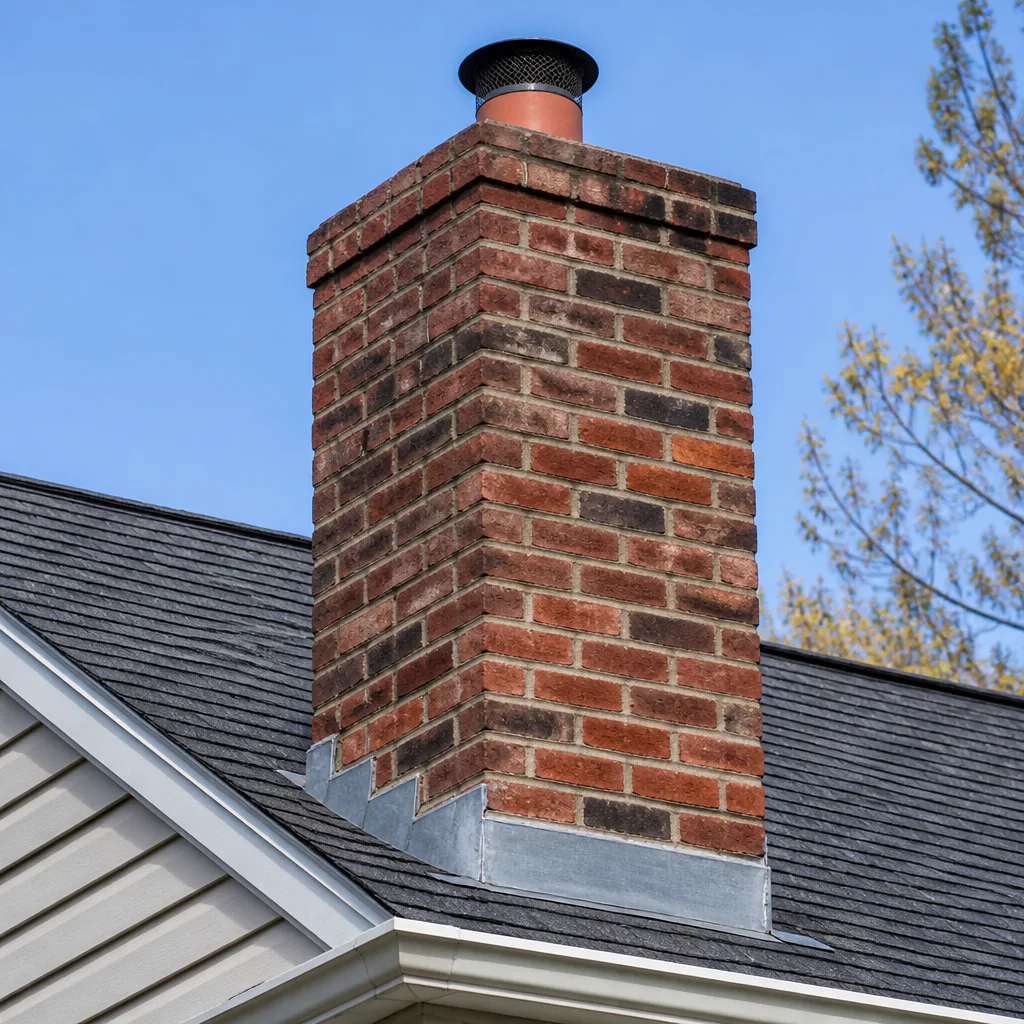 Masonry repair
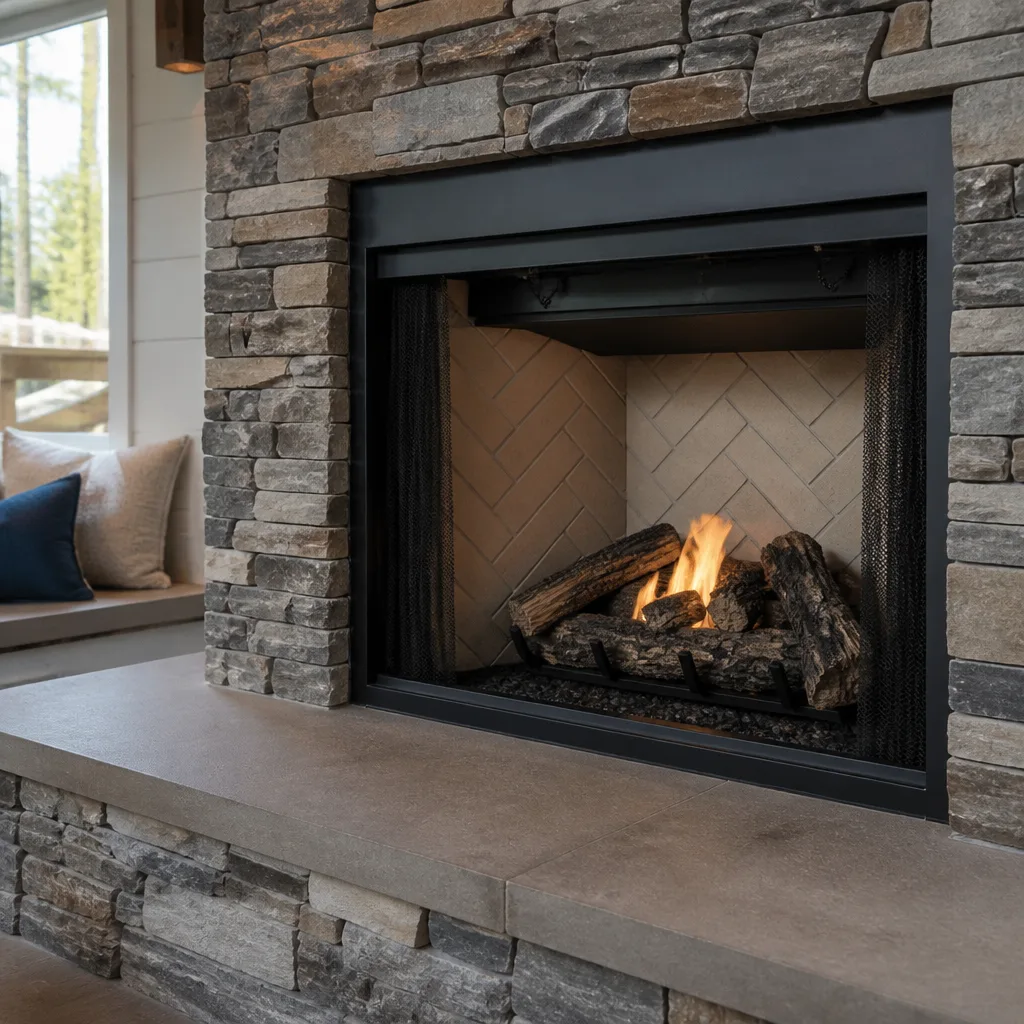 Gas fireplace service
Level 1 sweep and inspection to the NFPA 211 annual standard - flue, crown, cap, and flashing checked and photographed
Chimney sweep logs do not sweep chimneys. They loosen some creosote - which then falls where a brush and vacuum still have to collect it.
How to Hire a Chimney Cleaning Contractor in Murfreesboro: A Step-by-Step Guide
CSIA certification is the recognized industry standard for chimney sweeps, yet plenty of companies advertising chimney cleaning in Middle Tennessee carry no verifiable certification at all. Tennessee doesn’t hand out a state license for chimney work, so nothing stops an uncertified operator from showing up at your door with a brush and a business card. That matters more than it does for other trades. A bad paint job is a bad paint job. A bad chimney job is a fire hazard that can sit quietly in your walls for months before anyone notices. This guide walks through the credentials and questions that separate a contractor who makes your flue safer from one who just makes it look cleaner. We’ll cover certification, insurance, written reports, how to read a quote, and the red flags we’ve learned to watch for around Murfreesboro.
Quick Answer
Hire a chimney contractor by verifying CSIA certification through the CSIA database, confirming current liability insurance, and getting a written inspection report with photos plus a written, itemized estimate before any repair work begins. The minimum bar is technical certification and proof of insurance; a contractor who can’t show both shouldn’t be on your roof. Skip anyone who quotes a price over the phone without inspection, can’t produce a written report, or shows up without the tools to do more than a basic brush-out.
Styles & brands we work with
- Sweep & inspection
- Caps & crowns
- Flue relining
- Masonry repair
- Gas fireplace service
Table of Contents
- What CSIA Certification Actually Means
- How to Verify CSIA Certification Step by Step
- The Five Questions to Ask Before Booking
- Red Flags in Low-Cost and Big-Box Sweeps
- Sweep-Only vs. Full-Service: Why It Matters
- How to Read a Chimney Repair Quote
- What’s Different About Chimneys in Murfreesboro
- Common Mistakes to Avoid
What CSIA Certification Actually Means
CSIA certification means the technician has passed a proctored exam covering chimney science, venting, codes and safety, and has agreed to work to a published standard of conduct. The CSIA is the Chimney Safety Institute of America, the industry’s main credentialing body. It’s not a membership you buy. A certified sweep has to earn the credential and keep it current.
Why it matters in practice: most of what can go wrong in a chimney isn’t visible from the firebox. Creosote glazing inside a flue, a hairline crack in a clay tile, a crown that’s separated from the flue, a liner that’s pulled loose at an offset. A certified technician is trained to find those with a camera and a light, and trained to know which ones are urgent and which can wait. An uncertified brush man is trained to brush.
Who else can certify chimney work in Tennessee? Nothing at the state level. Unlike electricians or plumbers, chimney sweeps don’t fall under a state licensing board here. There’s no license number to check, no state database to search. That’s exactly why the CSIA credential carries as much weight as it does. It’s the only independent, verifiable proof that the person on your roof was trained to a recognized standard.
At Goodwin Chimney Sweep, our technicians have up to experience, and we treat CSIA certification as the baseline we expect when we’re looking at subcontractors for specialized work. You should hold any contractor to the same bar.
How to Verify CSIA Certification Step by Step
Verification takes about two minutes and it’s the single most useful thing you can do before booking a chimney sweep. The CSIA maintains a public database where you can look up any certified professional by name or by company. Here’s the process:
- 1
Ask for the technician’s name and certification number. A real certification number is a specific identifier, not a generic “licensed and certified” line on a business card.
- 2
Open the CSIA website and search the certified professional directory. You can search by name, city, or state. If the technician is certified, the entry will list them.
- 3
Confirm the certification is current. CSIA certification requires ongoing education and renewal. An expired certification tells you a lot about how a company operates.
- 4
Ask which technicians will be on the job. If a company sends a certified tech for the estimate and an uncertified crew for the work, the credential isn’t doing you any good.
- 5
Request proof of liability insurance at the same time. A certificate of insurance is a standard document any legitimate contractor can produce quickly.
If a company hesitates on any of those five steps, that hesitation is your answer. A certified sweep will be glad you asked. We’ve seen too many Murfreesboro homeowners find out after the fact that the technician on their roof had no certification, no insurance, and no way to address what they found.
The Five Questions to Ask Before Booking
Ask these five questions on the first phone call. What the contractor says, and how quickly they answer, tells you most of what you need to know.
1. Are you CSIA certified?
The answer should be “yes,” followed by a name and ideally a certification number. “We’re fully licensed and insured” is not an answer to this question.
2. Are you insured?
Liability insurance protects your home if something is damaged. Ask for a certificate of insurance. The policy should be current and list the company name as it appears on the estimate.
3. Is an inspection included with the sweep?
A proper cleaning includes a basic level of inspection. Ask what the inspection covers, whether the technician will use a camera, and whether the flue, firebox, damper, crown, and cap will all be looked at.
4. Will I get a written report?
You should receive a written report, ideally with photos, describing what was found and what, if anything, needs attention. A verbal “you’re all set” is not a report.
5. What happens if you find damage?
This is the question that separates a sweep from a full-service specialist. If the contractor finds a cracked liner or a failing crown, can they repair it, or do they hand you a phone number and drive off? We’ve lost count of the homeowners in Murfreesboro who’ve had to start the hiring process over again because their original sweep couldn’t fix what they found.
Red Flags in Low-Cost and Big-Box Sweeps
Rock-bottom pricing on a chimney cleaning is a warning sign, not a deal. A legitimate sweep involves equipment, insurance, training, and time on the roof. There’s no way to do it safely for a fraction of what the work costs.
What low-cost and referral-service sweeps tend to look like:
- Flat teaser pricing over the phone. A price quoted before anyone’s looked at the chimney is a guess dressed up as a firm number. Anything found during the work becomes a surprise add-on.
- No camera, no report. If the technician only brought a brush and a drop cloth, they can’t see the top of the flue, the liner joints, or the crown. They’ll tell you it looked fine because they couldn’t actually look.
- Unprepared for anything beyond a basic brush-out. A reputable sweep carries the tools and materials to address common findings, or has same-company access to a chimney repair capability. A brush-only crew hands you a problem and a phone number.
- No verifiable local address or phone. Middle Tennessee sees a lot of out-of-state crews that arrive in the cooler months and disappear.
- Pressure to book immediately. “This pricing is only good today” is a sales tactic, not a chimney safety concern.
- Brand-agnostic repairs with hardware-store substitutes. Proper liner work and resurfacing calls for industry-specific materials, not generic caulk and cement.
None of these alone means disaster. Together, they usually mean you’re about to pay for a service that can’t find what it doesn’t look for.
Sweep-Only vs. Full-Service: Why It Matters
Most chimney problems are discovered during a cleaning. A cracked clay tile, a deteriorated liner, a crown that’s pulling away from the flue, a cap missing or clogged. If the company cleaning your chimney can’t repair what it finds, you’re back to step one: hiring again, with a fresh wait and a fresh risk that the next contractor recommends work you have no way to verify.
A full-service chimney specialist handles the sweep, the inspection, and the repair under one company. That continuity matters most on the repair side. Proper liner work and resurfacing calls for materials engineered for the job: DuraFlex and Olympia Chimney flexible liners for older and offset flues, HeatShield for liner resurfacing that can sometimes restore a failing flue without full replacement. These are trade-specific products, not substitutes you can pick up at a hardware store.
Why does that matter to a homeowner deciding who to hire? Because the company’s ability to repair shapes what they recommend. A full-service specialist can tell you plainly that a resurfacing job will solve the problem, that a repair can safely wait until next season, or that a liner replacement is the only responsible path. A sweep-only operation can only tell you one of those things: call someone else.
We’ve built our business around sweep, inspection, and repair handled under one name, working with DuraFlex, HeatShield, Olympia Chimney, Gelco, Famco, and Copperfield, so the recommendation and the work come from the same place. That’s the standard we’d suggest you hold any contractor to in Murfreesboro.
See the difference
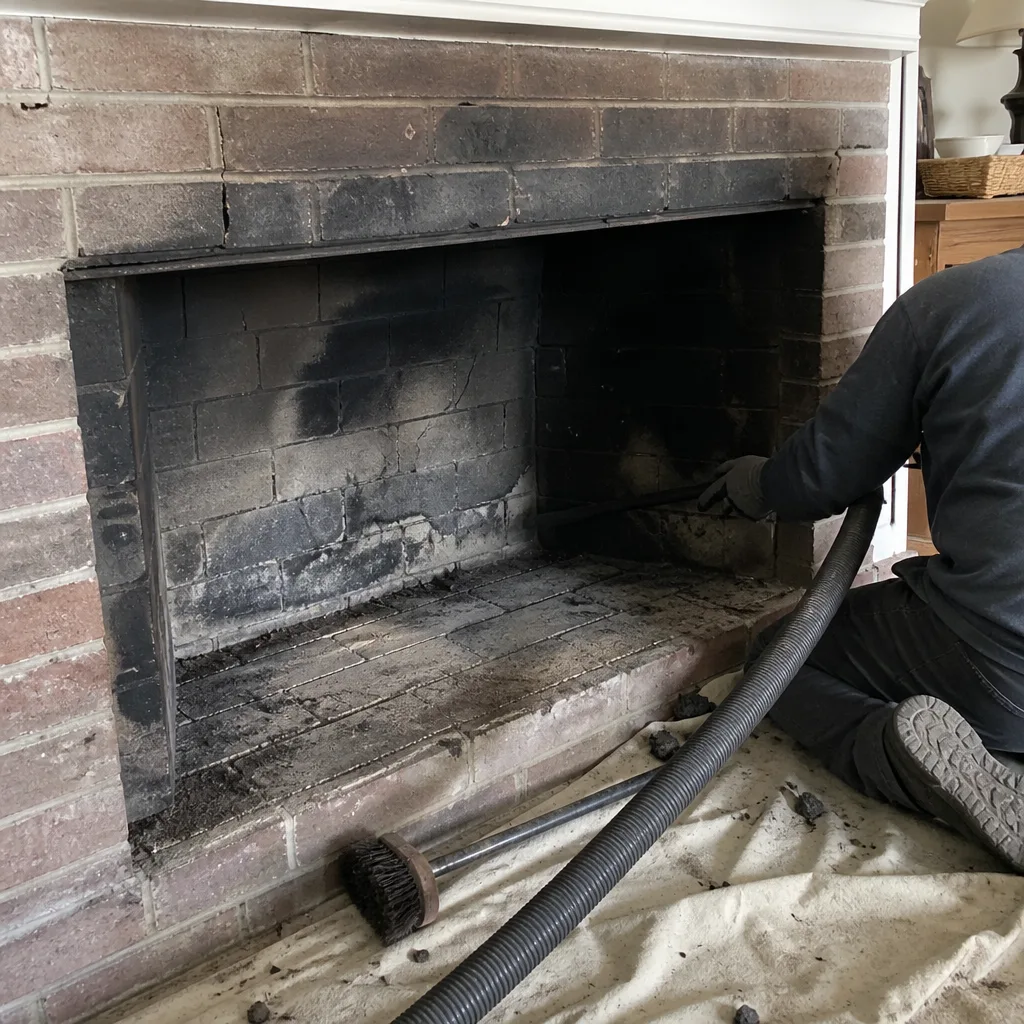 Before
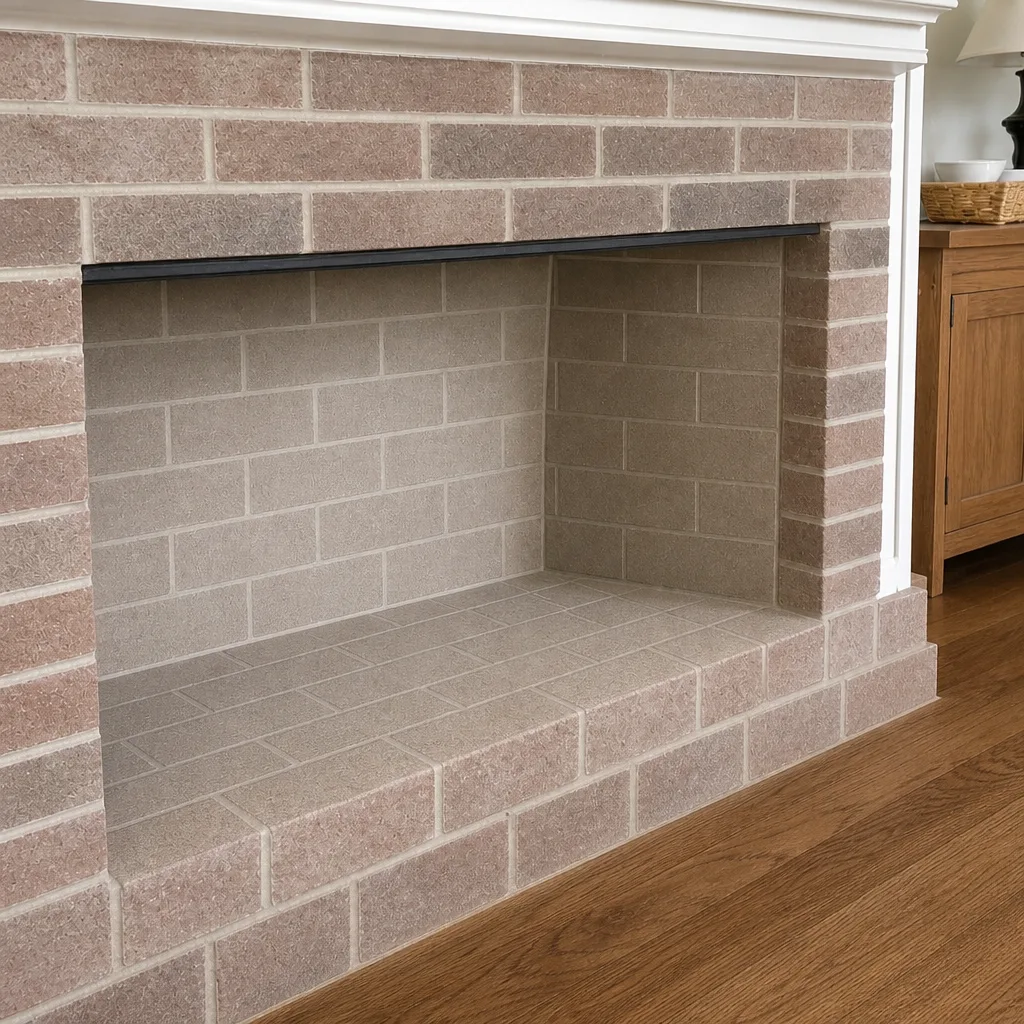 After
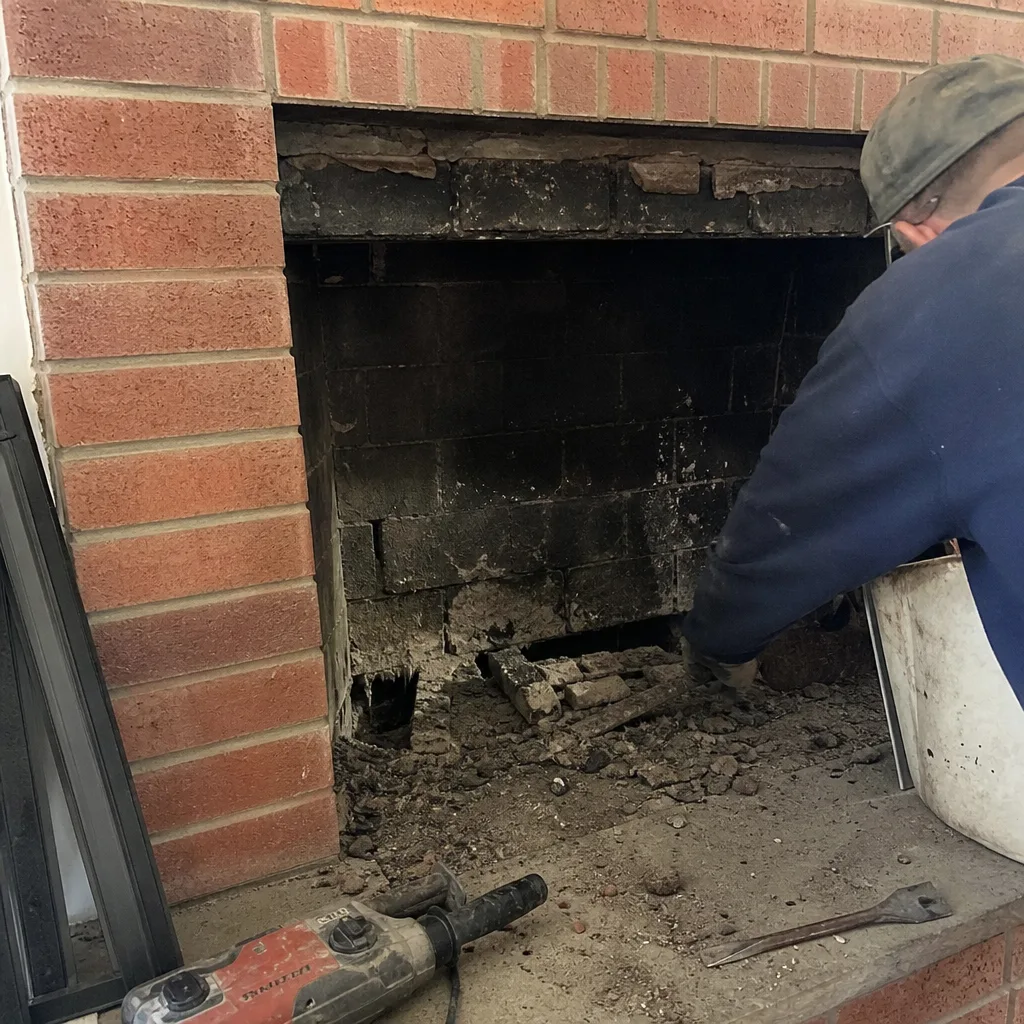 Before
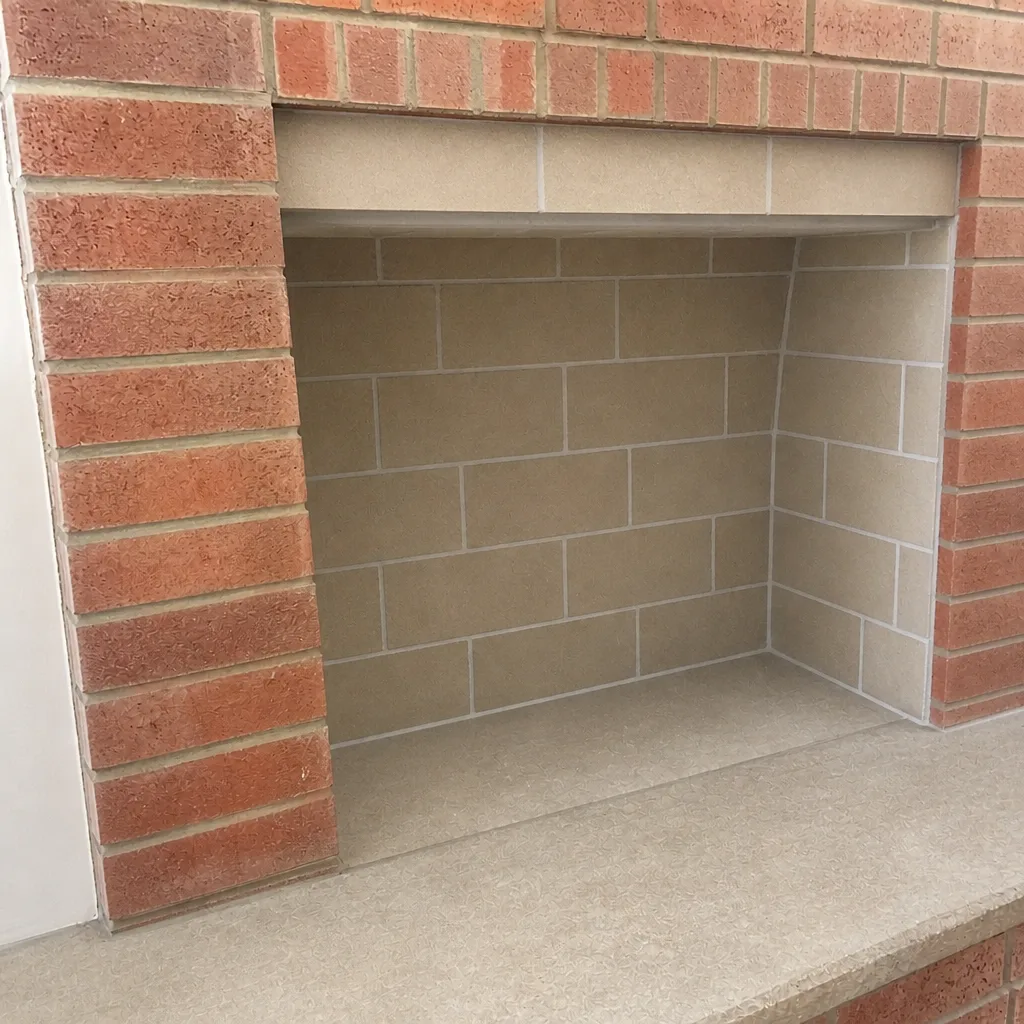 After
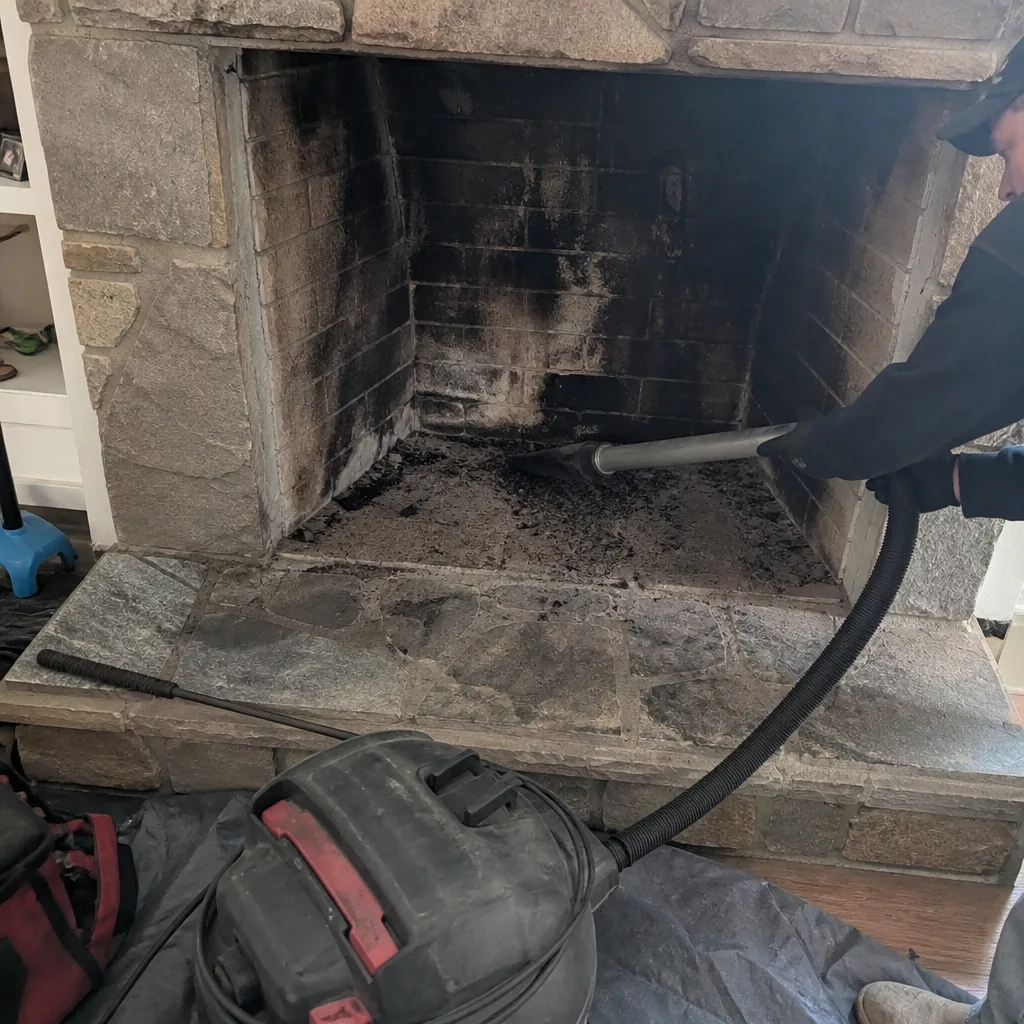 Before
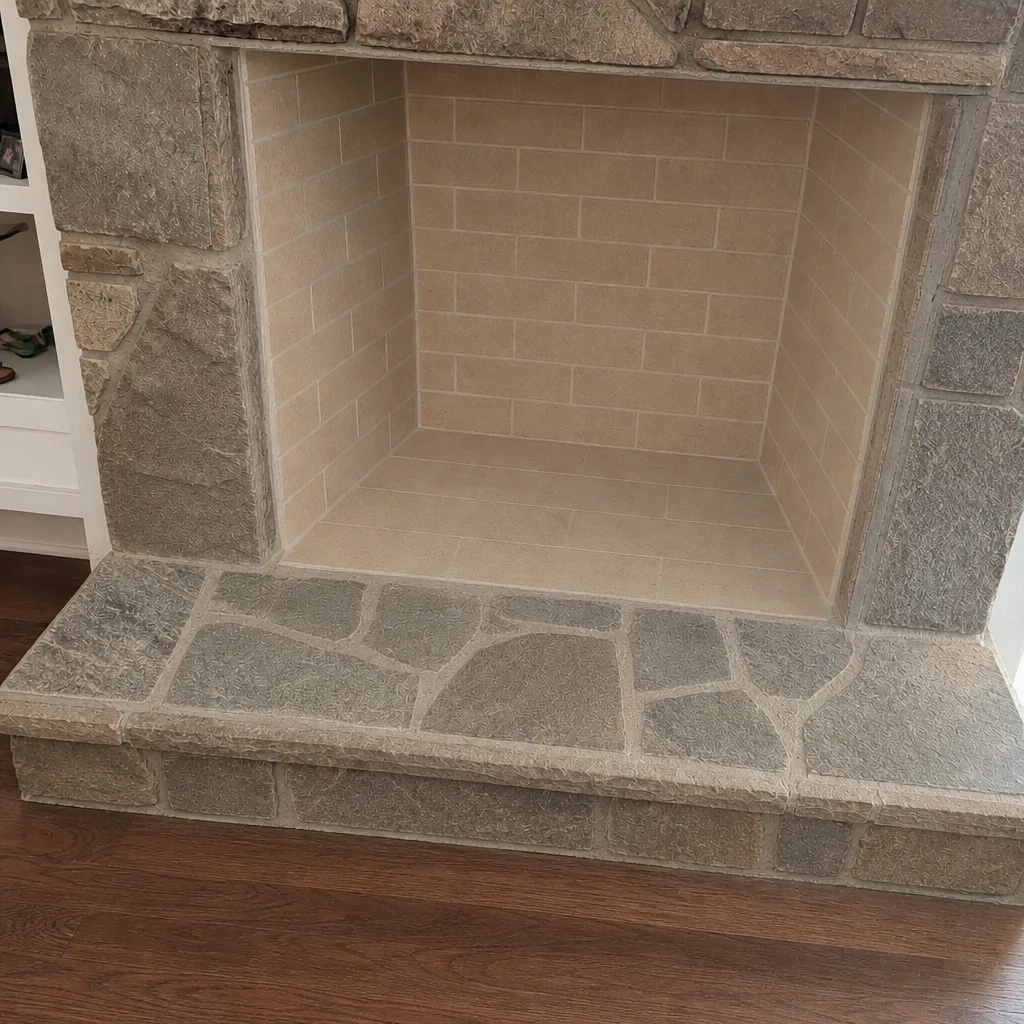 After
How to Read a Chimney Repair Quote
A written chimney quote should itemize the work by component. Anything vague or bundled is either poorly written or hiding something.
What a solid quote looks like:
- Each repair named on its own line: flue liner replacement, crown repair, cap replacement, damper work, masonry repointing, firebox repair.
- Specific materials called out by type or product family, not just “chimney cement” or “liner kit.”
- Labor separated from materials, or the total listed with a clear scope.
- A description of what the repair is designed to solve, with reference to the inspection findings.
- Any additional repairs noted but not included, with a plain recommendation on whether they can wait.
What vague line items signal:
- A single “chimney repair” line with a lump-sum price and no scope breakdown. You can’t tell what’s being fixed or why.
- “Liner cleaning” when the actual issue is a damaged liner that needs replacement. Cleaning a damaged liner doesn’t fix it, and sometimes makes it worse.
- Repairs described without referring back to inspection findings or photos. A repair recommendation should connect to something you saw.
When should a low bid worry you? When it undercuts the next quote by a wide margin. A quote half the price of the others usually means a cheaper material, a skipped step, or a scope that doesn’t cover the actual problem. A low bid isn’t always dishonest. But a bid that’s dramatically lower than everyone else’s deserves a second look at the itemization, and one plain question: what specifically is included in the price, and what isn’t?
What’s Different About Chimneys in Murfreesboro
Murfreesboro sits in a part of Middle Tennessee where homes run the full range from older in-town properties to new construction on the edges of the city. That mix affects how a chimney should be evaluated.
Older homes in and around the courthouse square, along East Main, and in established neighborhoods near MTSU often have original masonry chimneys that have been through many heating seasons. Clay tile liners from decades ago were sized for open fireplaces, not for the efficiency requirements of a modern wood insert or stove. When someone has installed a newer appliance into an older flue without resizing the liner, that setup needs a careful look, and often a new liner sized for the appliance.
Newer construction on the south and west edges of town tends to have factory-built fireplaces with metal chimney components. Those are perfectly safe, but they have specific requirements for clearance and venting that a sweep has to know how to inspect correctly.
Tennessee’s climate adds a wrinkle: repeated freeze-thaw cycles through the winter stress masonry. Water gets into a small crack in the crown, freezes, expands, and makes the crack bigger. By spring, what started as a hairline issue can be a real repair. A good inspection catches those small masonry issues early, before they turn into a rebuild. If you’re looking at a home in Murfreesboro that has an active fireplace, the annual inspection schedule matters more here than it does in a milder climate.
Common Mistakes to Avoid
- Booking on price alone. A cheap sweep is expensive if the crew misses a cracked liner. You’ll pay for the safety issue later, often at a much higher number.
- Not verifying certification. Asking “are you certified?” and accepting “yes” without confirming on the CSIA database is the same as not asking. The check takes two minutes.
- Skipping the written report. Verbal findings disappear the moment the truck pulls away. Insist on a written report with photos so future you (or a future contractor, or a buyer) can see what was found.
- Hiring a sweep-only operation for a chimney that clearly needs repair. If your chimney has visible masonry issues or the last inspection flagged a liner problem, hire a company that can do both. A single phone number for sweep and repair saves an entire second hiring round.
- Ignoring the top of the chimney. The cap and crown are where water damage starts. If a quote addresses only the flue and leaves a missing or rusted cap, ask why.
- Waiting until the first fire of the season. The busiest weeks of the year for any chimney company are right before cold weather hits. Fall is fine, but a summer or early-fall appointment gets more careful attention than a last-minute October booking.
- Believing “you’re fine, no report needed.” A licensed, certified sweep always documents the inspection. A sweep who skips the report and waves off your questions is telling you something about how they’ll treat a repair recommendation too.
When to Call a Professional
Some situations call for a chimney professional right away. Others can wait for your annual appointment. Here’s how to tell the difference:
- You’ve had a chimney fire, no matter how small. Any chimney fire can damage the liner, even if you didn’t hear anything.
- Your smoke alarm or carbon monoxide alarm has gone off while the fireplace was in use.
- You smell a persistent smoky or tar-like odor, especially in warm weather. That’s often a sign of creosote buildup or a draft problem.
- You see crumbling mortar, loose bricks, or rust stains on the exterior of the chimney.
- You’ve never had the chimney inspected and don’t know its history.
- You’re planning to install a new stove, insert, or appliance into an existing flue.
If you recognize any of these, Goodwin Chimney Sweep offers free estimates in Murfreesboro and can be reached at (844) 372-0461. A real inspection answers the question in a way no phone guess can.
If you’re searching for chimney services across the broader Murfreesboro area, the questions in this guide apply equally to any contractor you consider. And if you want a look at how we approach the trade, start with Goodwin Chimney Sweep.
Frequently Asked Questions
A basic chimney sweep in Murfreesboro is typically quoted per job by written estimate, with the final price set after an inspection of the flue, appliance type, and level of buildup. The price depends on the chimney itself, so a firm quote over the phone isn’t reliable. Call (844) 372-0461 for an exact quote. Estimates are free.
You need a new liner if the existing one is cracked, deteriorated, improperly sized for your appliance, or otherwise unable to contain the fire and gases safely. A certified inspection with a camera is the only way to know. Sometimes the answer is resurfacing rather than full replacement. Nothing should be recommended without camera evidence you can see for yourself. Call (844) 372-0461 to book an inspection.
Most chimneys used regularly for wood burning should be swept and inspected once a year, and more often if you burn heavily or notice a lot of creosote buildup. Gas appliances typically need an annual inspection as well, even when there’s less to sweep. A yearly appointment keeps small issues from turning into big ones. Call (844) 372-0461 to schedule yours.
Skipping a sweep lets creosote accumulate in the flue, and creosote is the fuel that makes chimney fires possible. It also means a cracked liner or failing crown goes unnoticed for another season. A clean flue isn’t just maintenance; it’s the difference between a good fire and a house fire. Call (844) 372-0461 to get your chimney inspected and cleaned.
A standard chimney sweep usually takes under two hours for an accessible chimney, and longer if the flue requires more work or the inspection turns up complicated findings. A camera inspection adds some time. We’ll give you a realistic window when you book. Call (844) 372-0461 to schedule.
Someone 18 or older should be there to provide access and to review the findings with the technician at the end. The written report is most useful when you’ve seen the photos and had the chance to ask questions on the spot. Call (844) 372-0461 to book an appointment.
The Bottom Line
The contractor you hire matters more than the price on the invoice. Verify CSIA certification on the CSIA database, confirm insurance, insist on a written report with photos, and ask what happens if damage is found. Those four checks separate a trained professional from someone with a brush and a ladder. In Murfreesboro, where no state license protects you, they’re the only protections you’ve got. A full-service specialist who can sweep, inspect, and repair under one company is worth the small premium over a sweep-only crew, especially the first time a real problem turns up. Free estimates, honest findings, and no recommended work without evidence you can see.
Call (844) 372-0461 to book an inspection or request a free estimate. We answer 24/7. Fast dispatch from 7am to 7pm, Sunday through Friday.
Written by the team at Goodwin Chimney Sweep.