
Last updated November 15, 2026
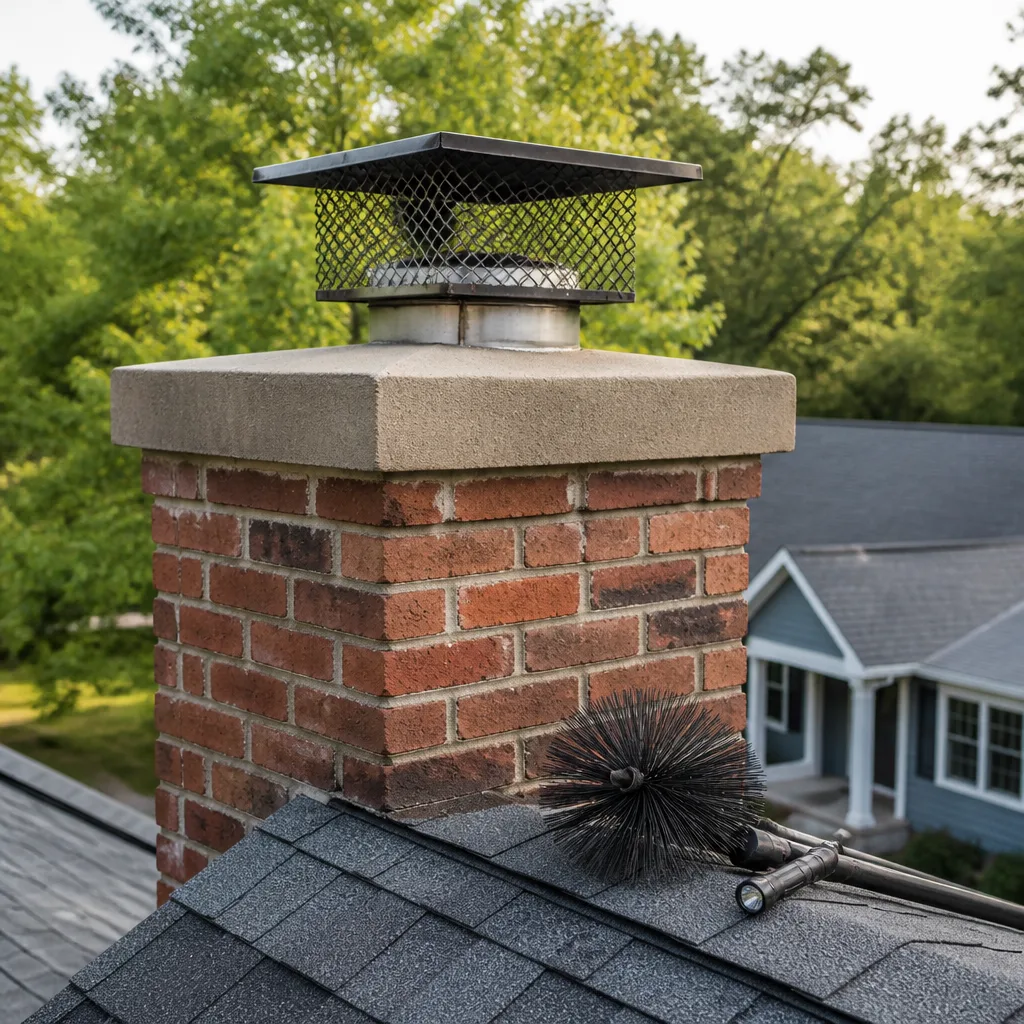 Sweep & inspection
 Caps & crowns
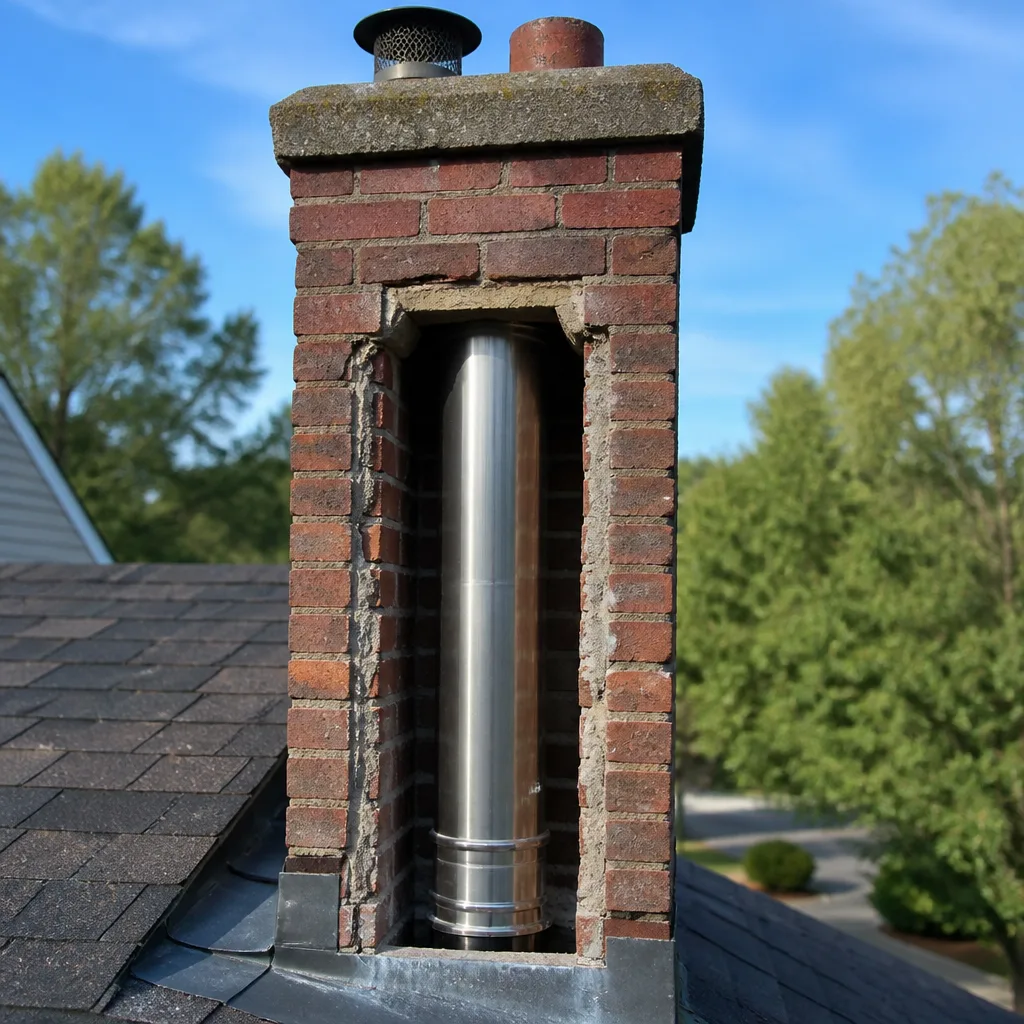 Flue relining
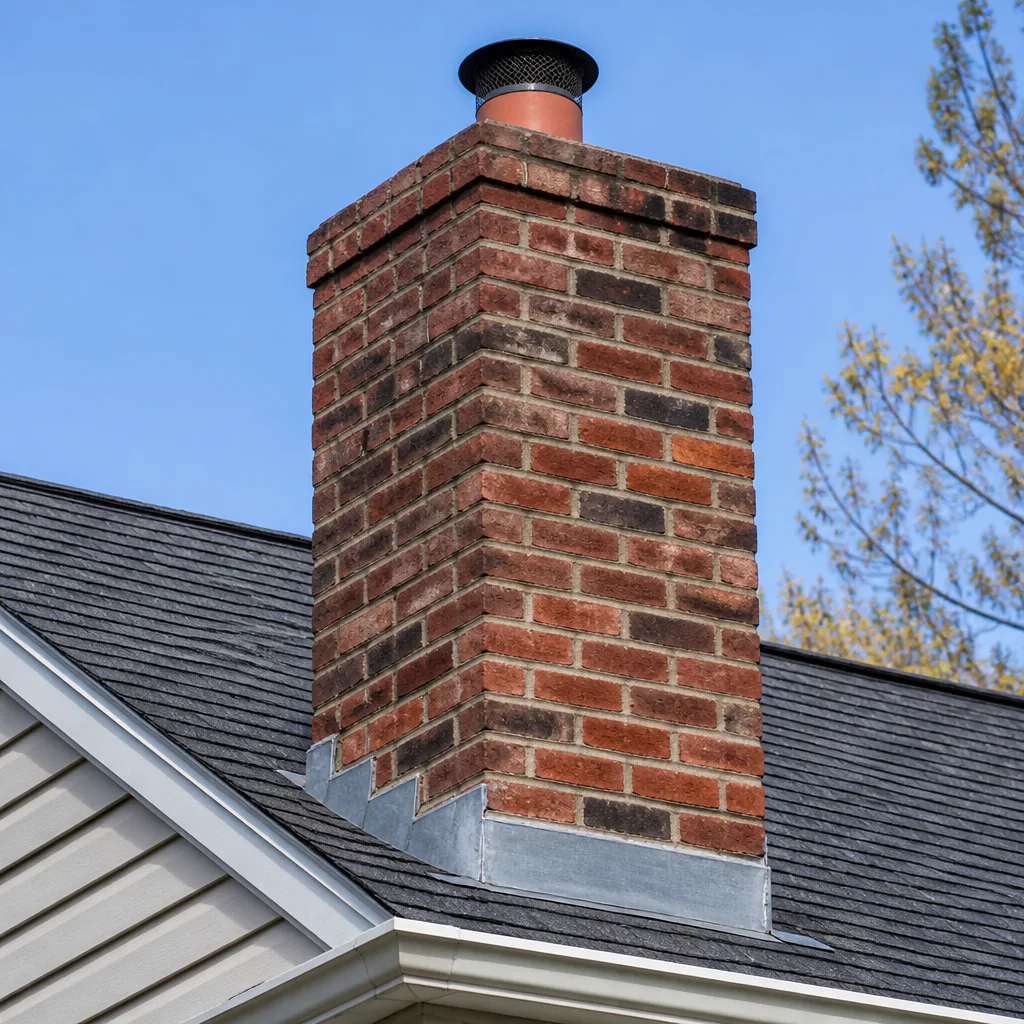 Masonry repair
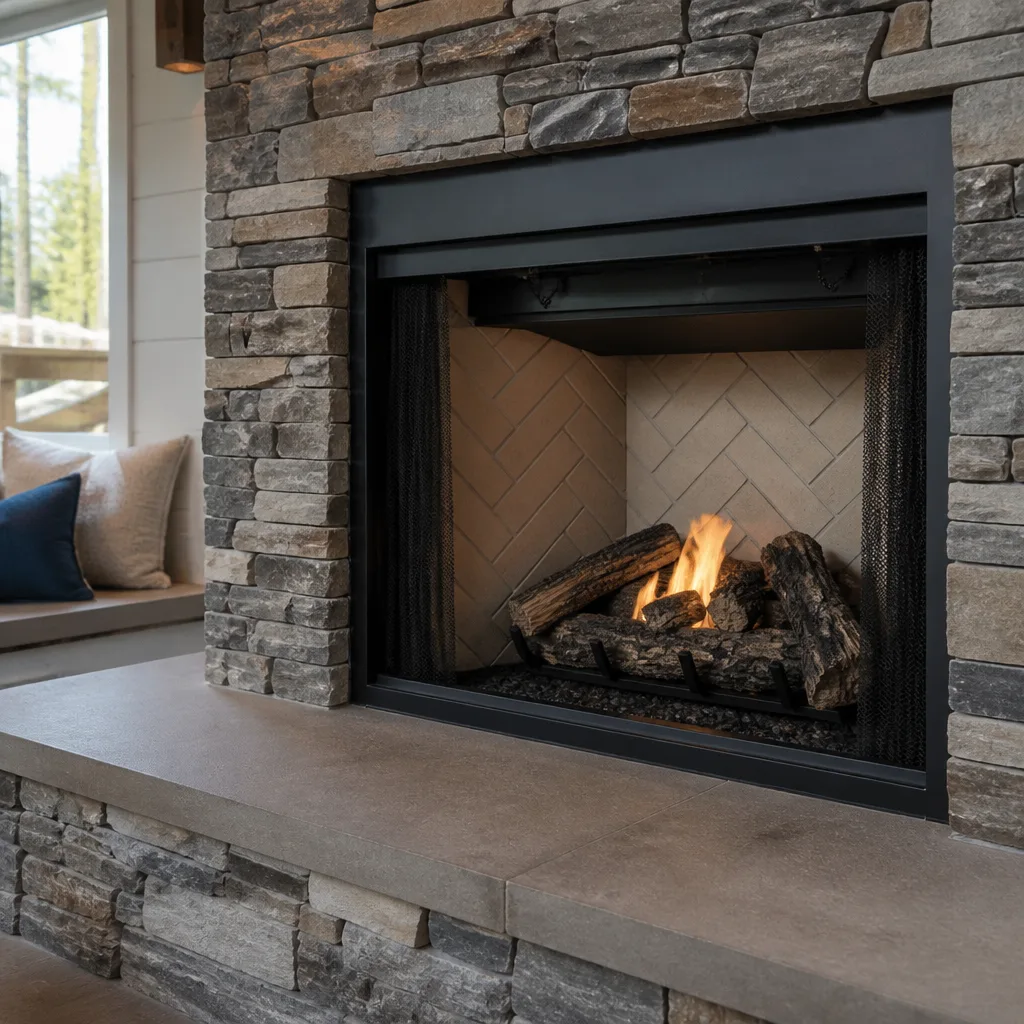 Gas fireplace service
Level 1 sweep and inspection to the NFPA 211 annual standard - flue, crown, cap, and flashing checked and photographed
Chimney sweep logs do not sweep chimneys. They loosen some creosote - which then falls where a brush and vacuum still have to collect it.
The Complete Guide to Chimney Cleaning in Murfreesboro
Most homeowners think of chimney cleaning as one job: somebody comes out, runs a brush up the flue, sweeps the soot into a vacuum, and leaves. That picture is wrong in a way that matters. A proper cleaning is actually three linked stages – inspection first, mechanical cleaning second, and a condition assessment at the end – and the stage most cut-rate operators skip is the one that tells you whether your fireplace is safe to light. Skip the inspection and the brush still goes up the flue, so it looks like the job got done. In Murfreesboro, where humid summers and a long burn season work on masonry together, what a sweep finds matters as much as what a sweep removes. This guide walks through the whole sequence so nothing gets skipped.
Quick Answer
Chimney cleaning in Murfreesboro is a three-stage process: a Level 1 inspection to see the flue’s condition, mechanical brushing to remove creosote and soot, and a post-clean visual check with a written report. The cleaning itself is only as good as the inspection that precedes it, because creosote type, liner condition, and draft problems all change how the cleaning has to be done. If a sweep goes straight to the brush without looking first, you’re paying for the visible half of the job.
Styles & brands we work with
- Sweep & inspection
- Caps & crowns
- Flue relining
- Masonry repair
- Gas fireplace service
Table of Contents
- Why Murfreesboro Chimneys Need Annual Cleaning
- The Three Stages of a Real Chimney Cleaning
- What a Professional Looks For in a Murfreesboro Home
- Creosote: What It Is and Why Degrees Matter
- Older Masonry vs. Newer Prefab: Two Different Jobs
- The Cleaning Report and Why It Matters at Sale
- What “Cleaned” Means at a Professional Standard
- Safety: What You Should Never Do Yourself
Why Murfreesboro Chimneys Need Annual Cleaning
The National Fire Protection Association reports that 27% of home heating fires involve chimneys, and the majority are preventable with cleaning that addresses what’s actually inside the flue, not just what’s visible from the firebox. That figure is national, but the reasons behind it land harder in Middle Tennessee than in drier parts of the country.
Murfreesboro sits in a humid subtropical climate. Summers run long and sticky, and the humidity doesn’t stop at the chimney cap. Creosote – the tar-like residue left behind when wood smoke cools against the flue walls – absorbs moisture from the air during the off-season. When creosote takes on water it glazes, hardens, and bonds to the masonry or liner surface. By the time you light the first fire in October, that layer is far more stubborn than it would be in a dry climate, and it’s more combustible. A flue that might stay clean for two seasons in Arizona needs annual attention here.
There’s a second local factor: our burn season is long but not continuous. Murfreesboro homeowners tend to light fires from late October through March, with plenty of on-again, off-again weeks in between. Every cold start deposits a fresh layer of creosote onto a flue that hasn’t fully warmed. Those interrupted cycles produce more buildup than a steady burn would.
Pre-1990 masonry homes in older Murfreesboro neighborhoods have a third factor working against them: clay tile liners that have had decades of thermal cycling. Hairline cracks in clay tile let moisture in and let creosote work behind the liner. That’s why the inspection stage matters so much here – the cleaning itself can be perfect and the flue still unsafe if a cracked tile went unnoticed.
For anyone mapping out the seasonal routine, the practical takeaway is simple: in Murfreesboro, annual cleaning isn’t optional maintenance the way it might be in a dry climate. It’s the baseline. A chimney sweep visit each year before the burn season is the standard we’d hold any flue to.
The Three Stages of a Real Chimney Cleaning
This is the part most homeowners never see spelled out. A professional cleaning is sequential, and each stage informs the next. Here’s what the sequence looks like from the inside.
Stage 1: Level 1 Inspection
Before any brush touches the flue, the technician inspects the firebox, damper, smoke chamber, flue interior, and the exterior top of the chimney. The goal is to establish a baseline – what condition is the flue in, what type of creosote is present, is the liner intact, is the cap in place, are there signs of water intrusion. Some of this is visible with a flashlight from the firebox. Some requires a camera. The findings determine how the cleaning proceeds.
Skipping this stage is exactly where cheap cleanings fail. A brush still goes up the flue, so the homeowner sees soot come down and assumes the job is complete. But if the technician never checked the liner, they never noticed the cracked tile that turns a routine cleaning into a repair conversation. The cleaning looks fine. The flue isn’t.
Stage 2: Mechanical Brushing
Once the inspection establishes what’s inside, the actual cleaning begins. This is mechanical – rotary brushes sized to the flue, driven by a rod system, with a high-powered vacuum running the whole time to contain dust and soot. The technician works from the top down or bottom up depending on the flue configuration. The brush removes creosote, soot, and any nesting material. In a bad case, chemical creosote removers are applied first to soften glazed deposits, then the brush follows.
Stage 3: Post-Clean Visual and Report
After the brush work, the technician re-inspects the flue to confirm the creosote is actually gone and to document anything the cleaning revealed. This is where a written report comes from. Not every sweep provides one. Ask.
Three stages, in order, every time. Anything less and you’re paying for a partial job. When we handle a chimney repair after a sweep, that same three-stage logic carries through – the inspection drives the repair, and the repair gets documented the same way.
What a Professional Looks For in a Murfreesboro Home
The inspection stage is where local knowledge shows. A chimney in a 1960s Murfreesboro ranch house presents different issues than one in a newer build out toward the edges of town, and a sweep who doesn’t look for the right things misses both. Here’s what belongs on the checklist in this market.
- Creosote type and degree. Is it flaky and light (Stage 1), crusty and brittle (Stage 2), or glazed and hard (Stage 3)? Stage 3 requires more aggressive treatment and signals a burning habit or draft issue worth discussing.
- Liner condition. Clay tile with cracked joints, or a stainless liner with corrosion at the seams. Both change the cleaning approach and the recommendations that follow.
- Crown and cap. The crown is the concrete surface at the top of the chimney that sheds water. A cracked crown lets water in, and water is what turns a small creosote problem into masonry damage. The cap should be intact and properly sized.
- Flashing. Where the chimney meets the roof, the flashing seals it. Failed flashing is one of the most common causes of water damage in Middle Tennessee because our heavy spring rains find every gap.
- Smoke chamber and damper. The smoke chamber is the transition zone between firebox and flue. It’s often skipped during cleaning because it’s hard to reach, and it collects creosote like nowhere else in the system.
- Draft and pressure. Is the flue sized correctly for the appliance? Does the house have modern tight construction that’s starving the fire of air? Newer Murfreesboro homes with tightly sealed envelopes sometimes draft poorly, which changes how the fire should be operated.
- Appliance type. Wood-burning fireplace, wood stove, or gas insert – each has its own cleaning requirements and inspection concerns.
That list is a starting point, but a thorough inspection goes deeper. What we don’t skip is the part where the homeowner gets to see what we found. Documentation makes the difference between an inspection and a sales pitch.
Creosote: What It Is and Why Degrees Matter
Creosote is the byproduct of incomplete combustion. When wood burns, the smoke carries unburned gases up the flue. If the flue is warm enough and the draft is strong enough, those gases exit. If the flue is cool or the draft is weak, the gases condense on the flue walls and become creosote. There are three recognized degrees, and they behave very differently.
- First-degree creosote is light, flaky, and soot-like. It brushes off easily. This is what a properly burning fireplace in good condition produces.
- Second-degree creosote is crusty and brittle. It clings to the flue and often requires a stiff brush or a rotary tool to remove. Common in Murfreesboro homes with moderate burn habits and slightly under-seasoned wood.
- Third-degree creosote is glazed, hard, and tar-like. It bonds to the flue surface and doesn’t respond to ordinary brushing. This is the dangerous stage – glazed creosote is highly combustible and can ignite during a normal fire, which is how chimney fires start. Removing it usually requires chemical treatment followed by mechanical cleaning.
Why it matters: the type of creosote determines the cleaning method, the time required, and sometimes the cost. A sweep who quotes a flat price before looking at the flue is guessing. A proper inspection establishes the degree first, and the cleaning follows from that finding.
The other reason creosote deserves its own section is the humidity factor unique to this region. In dry climates, first-degree creosote tends to stay flaky and easy to remove. Here, the moisture it absorbs over a Murfreesboro summer causes it to glaze and harden into second-degree or worse. That’s the mechanism behind the “annual cleaning is non-negotiable” rule for this area – it’s not that the cleaning itself is complicated, it’s that skipping a year makes the next cleaning harder and the flue less safe.
Burning dry, well-seasoned wood and running hot fires helps slow buildup, but no burning habit eliminates it entirely. Cleaning is how the system resets.
Older Masonry vs. Newer Prefab: Two Different Jobs
The two chimney types common in Murfreesboro homes require different approaches, and a sweep who treats them the same is likely to leave one of them under-cleaned. Here’s how the two break down.
Older Masonry Chimneys
Homes built before roughly 1990 in Murfreesboro – the older neighborhoods near the downtown square, established subdivisions from the 1950s through the 1980s – typically have masonry chimneys with clay tile liners. The cleaning concerns for these are:
- Cracked or spalled clay tiles. Decades of thermal cycling cause this, and it’s invisible from the firebox.
- Mortar joint deterioration between tiles, which lets creosote and moisture reach the surrounding masonry.
- Missing or damaged crown concrete, which lets water enter the flue system.
- Smoke chamber deterioration, which collects creosote disproportionately.
- Rusty dampers that no longer seal properly.
When the clay tile liner is compromised, the fix isn’t always a full reline. That’s where HeatShield resurfacing comes in – it restores the interior of the flue by applying a specialized repair material over the damaged liner, giving a smooth, sealed surface without the cost of tearing out and replacing the entire liner. It’s a repair path that most sweep-only operators simply don’t have available, because it requires a qualified applicator and the right materials.
Newer Prefabricated Chimneys
Homes built from the 1990s forward, including a lot of Murfreesboro’s newer construction east and south of town, often have factory-built prefab fireplaces or wood stoves. These are engineered systems, and the cleaning concerns are different:
- The stainless steel liner inside the prefab chimney has to be inspected for corrosion, cracks, or separation at the joints.
- Prefab systems are typically smaller diameter than masonry flues, which means buildup happens faster and the brush must be sized exactly.
- Manufacturer specs govern what liner replacement is allowed, and generic hardware-store liner doesn’t meet them.
- Some prefab inserts have specific clearances that matter when adding a cap or appliance change.
When a prefab liner needs replacement, the professional path is a flexible stainless liner from a recognized brand – DuraFlex and Olympia Chimney products are the ones we install, because they’re built to the manufacturer specs these systems require. An offset flue or a chase with a bend in it is exactly where flexible liner expertise separates a real chimney specialist from someone who only knows how to run a brush.
Knowing which type you have matters before any work is scheduled. A quick look at the firebox – clay tile visible at the sides means masonry, a metal firebox with refractory panels means prefab – tells you which conversation you’re having.
The Cleaning Report and Why It Matters at Sale
A cleaning report is a written record of what the technician found, what was cleaned, and what condition the chimney is in afterward. If you’re selling a Murfreesboro home, that document does real work. Most buyers or their agents want evidence that the chimney has been maintained, and a verbal “it’s fine” from a sweep doesn’t satisfy that. A written report with photos does.
Here’s what a useful report should include:
- The date and the type of service performed – Level 1 inspection, sweep, or both.
- The flue type and appliance type (masonry clay tile, prefab, wood-burning, gas insert).
- The creosote degree found before cleaning and the condition afterward.
- Photographic documentation of the flue interior, smoke chamber, crown, and cap.
- Any deficiencies observed and whether they affect safety or just long-term durability.
- A clear recommendation on what work, if any, is warranted, and what can safely wait.
Photos aren’t decoration. They’re the reason the homeowner can see what the technician saw, rather than taking a recommendation on faith. That’s the standard we hold any report to, and it’s the standard a buyer’s agent will expect to see.
When we schedule a cleaning, the written report comes with it – not as a separate product. If you’re preparing to sell in Murfreesboro, ask for the report in writing before the visit so there’s no ambiguity about what you’ll receive.
What “Cleaned” Means at a Professional Standard
Here’s where a professional sweep and a solo handyman diverge. Both will tell you they cleaned the chimney. Only one of them means it in the sense that matters. Set the two side by side and the differences are concrete.
What a handyman typically does: runs a brush up from the firebox, vacuums the firebox floor, sweeps up, and leaves. No inspection before, no documented check after. If a problem exists, it stays hidden.
What a professional standard includes:
- A pre-cleaning inspection that establishes the flue’s condition and the creosote degree.
- Proper containment – a high-powered HEPA vacuum running the entire time to prevent dust in the home.
- Cleaning of the firebox, damper, smoke chamber, and flue to the top, with rotary brush work sized to the flue.
- Cleaning of the chimney cap and any bird guard, which collect debris and soot over the season.
- A post-clean visual inspection of the flue interior to confirm the creosote has been removed.
- A written report with photos.
- A verbal walkthrough of findings, in plain language, so the homeowner knows what was found and what can safely wait.
Professional-grade products matter here too. When a cap needs replacing or a crown needs repair, we work with brands like Gelco and Famco because they’re made for the trade, not the hardware aisle. When a liner needs replacement, it gets a DuraFlex or Olympia Chimney product built to the application. The difference isn’t cosmetic – it’s the difference between a repair that holds for a decade and one that fails in two seasons. That continuity – sweep, inspection, and repair under one company – is the practical reason to look for a full-service chimney specialist rather than a sweep-only crew. If the inspection finds a problem, the same company can address it without a referral.
Safety: What You Should Never Do Yourself
We’re serious about this section. Some chimney work can be handled by a careful homeowner with the right knowledge. Other parts should never be approached without professional training, and we’d rather say so plainly than risk someone getting hurt. The two categories are very different.
What’s genuinely dangerous
- Climbing on the roof to inspect or clean the chimney. Roof pitches are steep, chimney tops are often slippery, and a fall from roof height causes severe injury. There’s no version of this that’s a good idea for a homeowner without proper fall protection and training.
- Working inside the flue. Creosote is toxic, soot is a respiratory hazard, and the confined space carries real risks. Professional technicians use respirators and proper equipment for a reason.
- Removing a glazed creosote layer. Glazed creosote is combustible. Attempting to chip it off can damage the liner and create a fire risk in the process. It requires chemical treatment and skilled mechanical removal.
- Replacing a liner or working with a firebox insert. This is a structural job with manufacturer specs that must be followed exactly. Improvised repairs on the flue system create carbon monoxide and fire hazards.
- Any gas appliance work. Gas fireboxes and inserts have safety-critical connections. If you have a gas appliance and something seems off, the correct call is to a chimney professional, not a general handyman.
What you can reasonably do
- Keep the area around the firebox clear of combustible material.
- Use a fireplace screen or glass doors while burning.
- Burn dry, well-seasoned firewood.
- Look up into the firebox with a flashlight periodically to see if there’s obvious buildup.
- Schedule a professional sweep before the burn season.
Carbon monoxide is a real concern in any home with a fireplace or wood stove. If you don’t have a working CO detector on every level of your Murfreesboro home, install one. It’s the single cheapest safety addition there is.
Common Mistakes to Avoid
- Booking a “cleaning” that skips the inspection. A brush in the flue without a look first is a partial job. Ask any sweep who quotes you what the inspection includes before they arrive.
- Treating annual cleaning as optional in this climate. The humidity in Middle Tennessee glazes creosote faster than in drier regions, so the annual visit does more for a Murfreesboro chimney than it would elsewhere.
- Assuming a solo handyman is a chimney sweep. Most handymen clean the firebox and leave. The smoke chamber, cap, and flue top often get ignored, and no report is produced.
- Ignoring a cracked crown or failed flashing. Water damage doesn’t show up dramatically. It shows up as spalling masonry and a rusted damper two winters later.
- Skipping the cleaning report before a sale. A verbal assurance doesn’t satisfy a buyer’s agent. Request the report in writing, with photos.
- Burning unseasoned wood to “save money.” Wet wood produces far more creosote than dry wood, and the cleaning bill eats the savings within one season.
- Hiring a sweep-only crew for a repair they can’t do. When the inspection finds a liner issue and the sweep has to refer you elsewhere, you spend the next two weeks finding another company. Look for a specialist who does inspection, cleaning, and repair under one roof.
See the difference
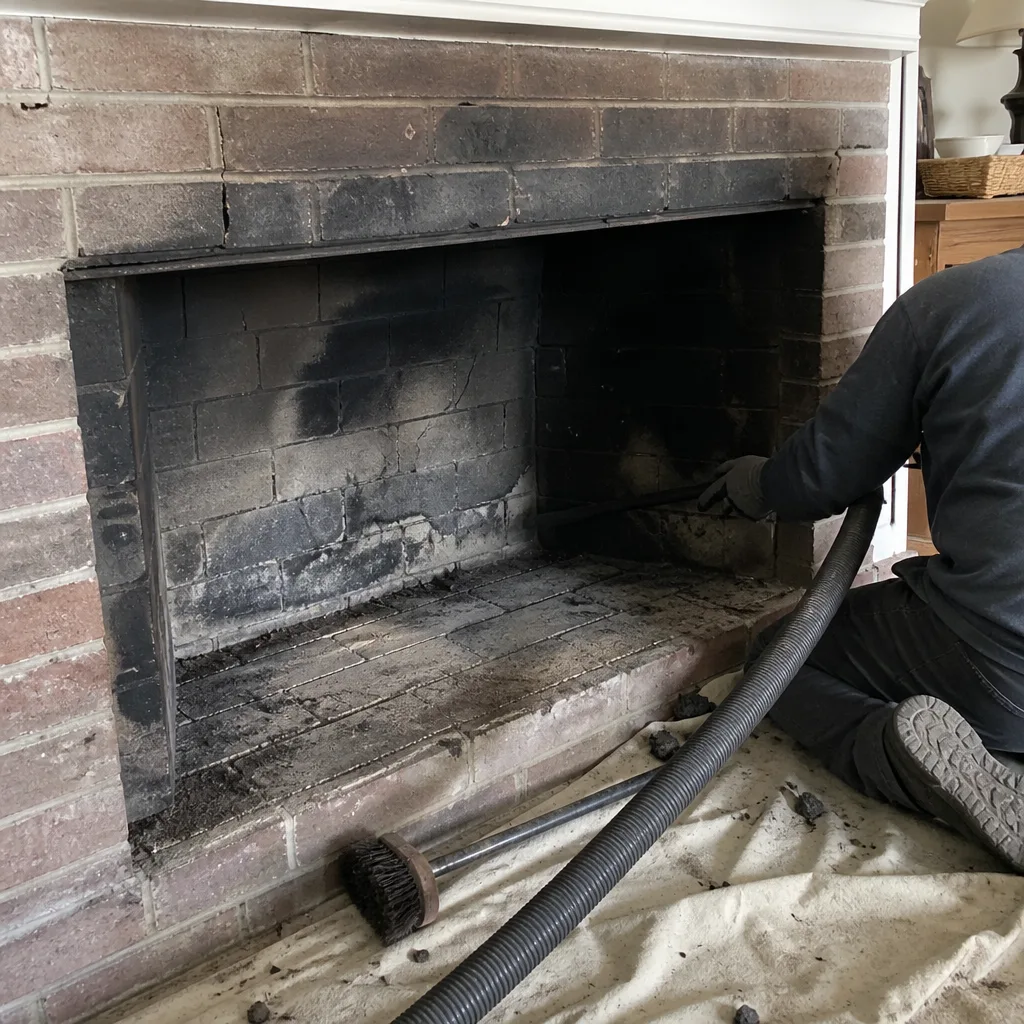 Before
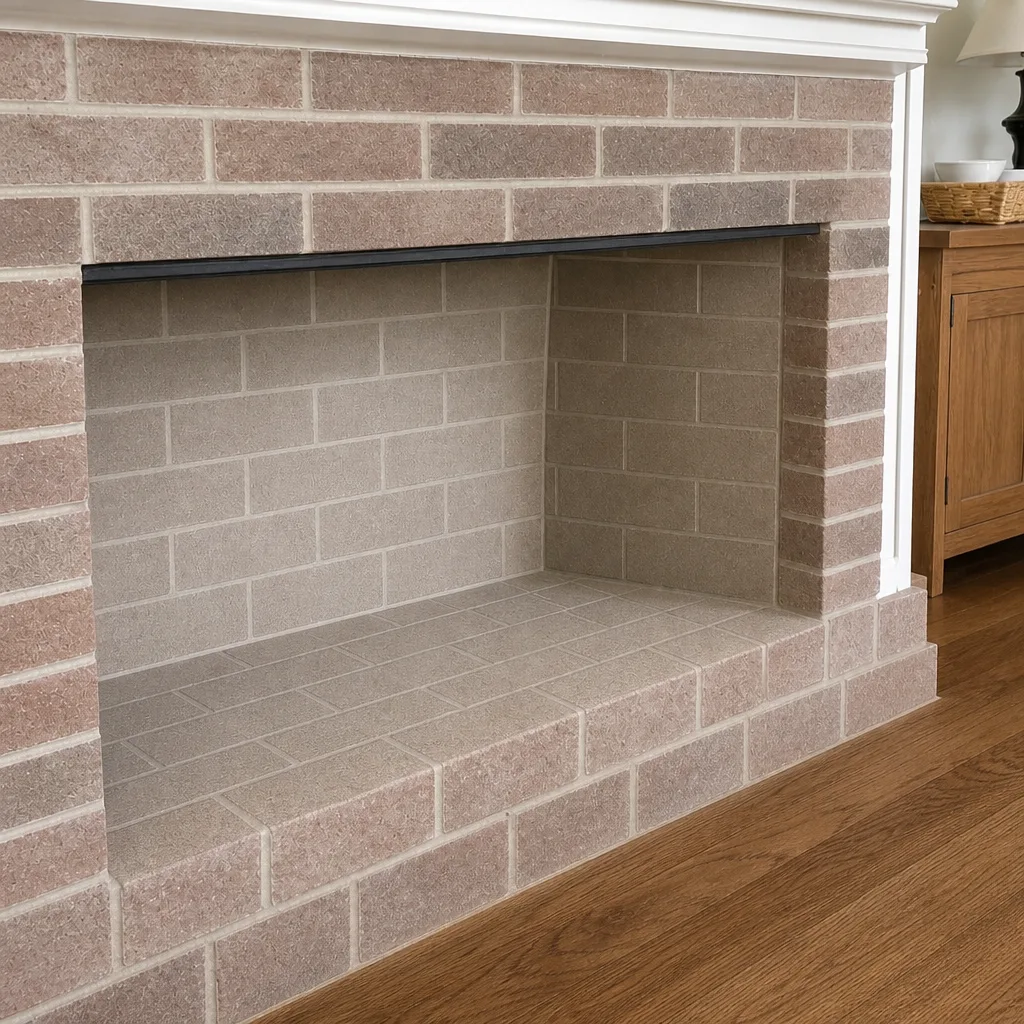 After
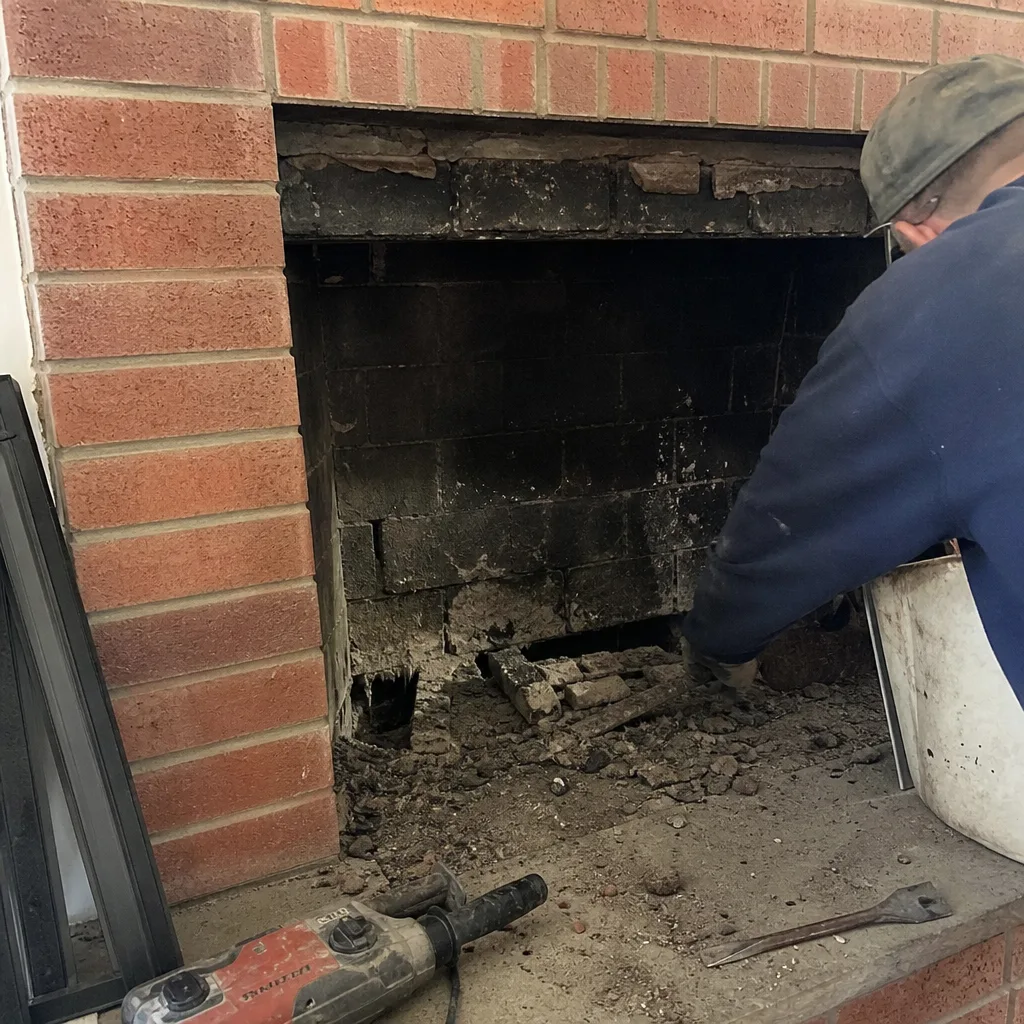 Before
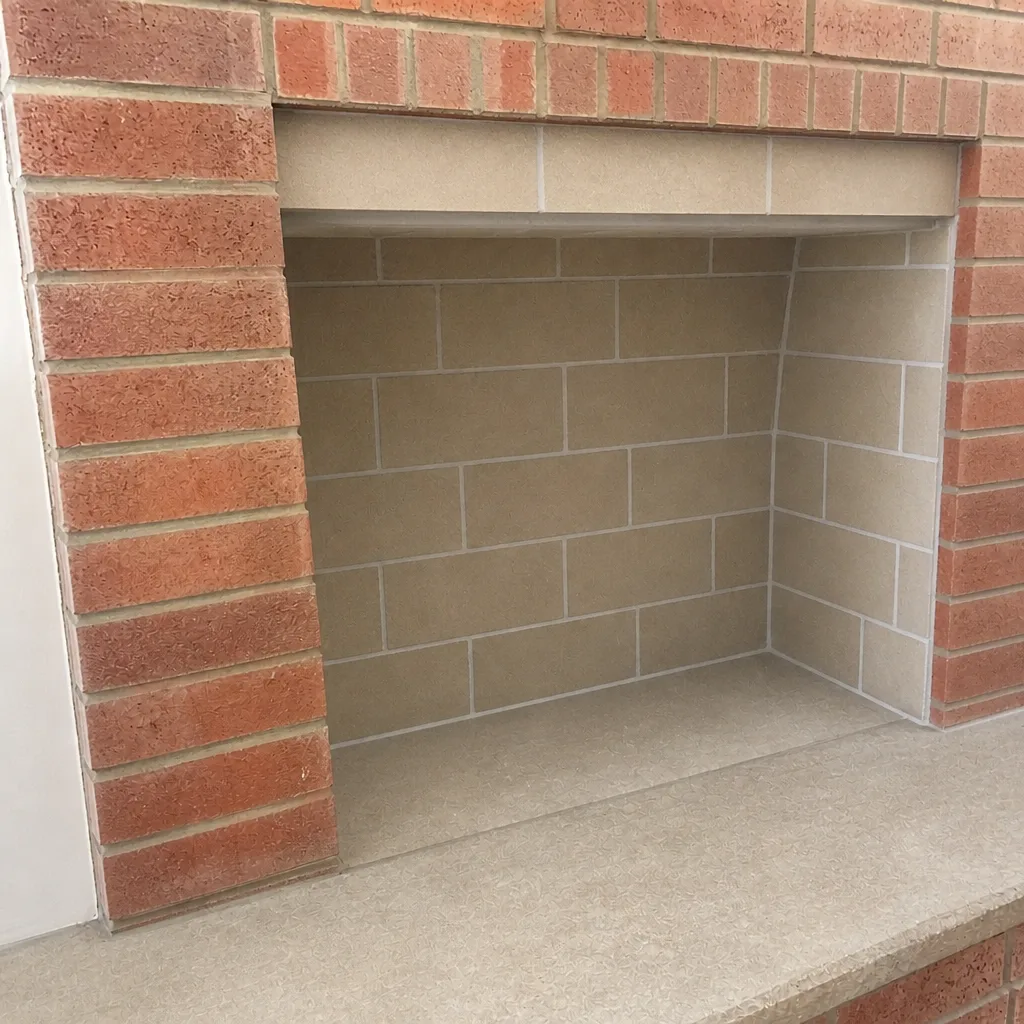 After
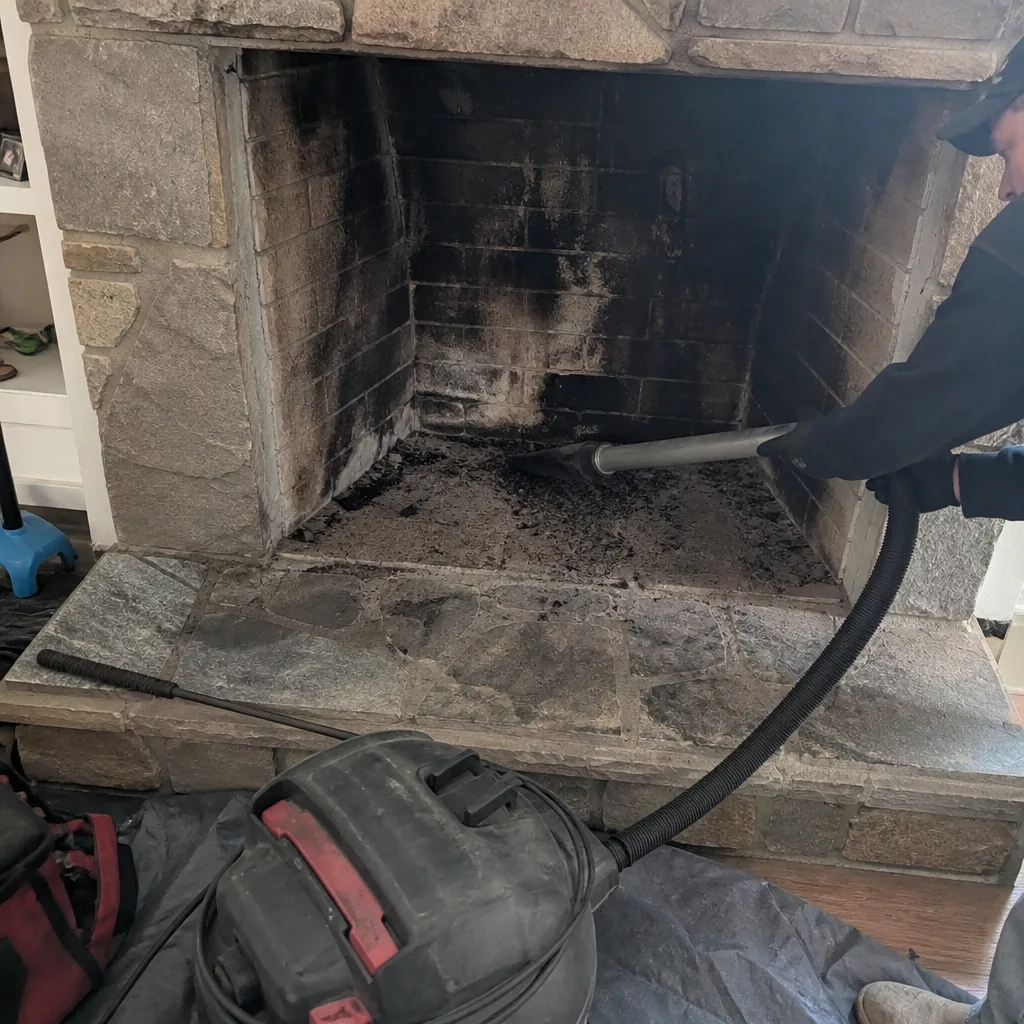 Before
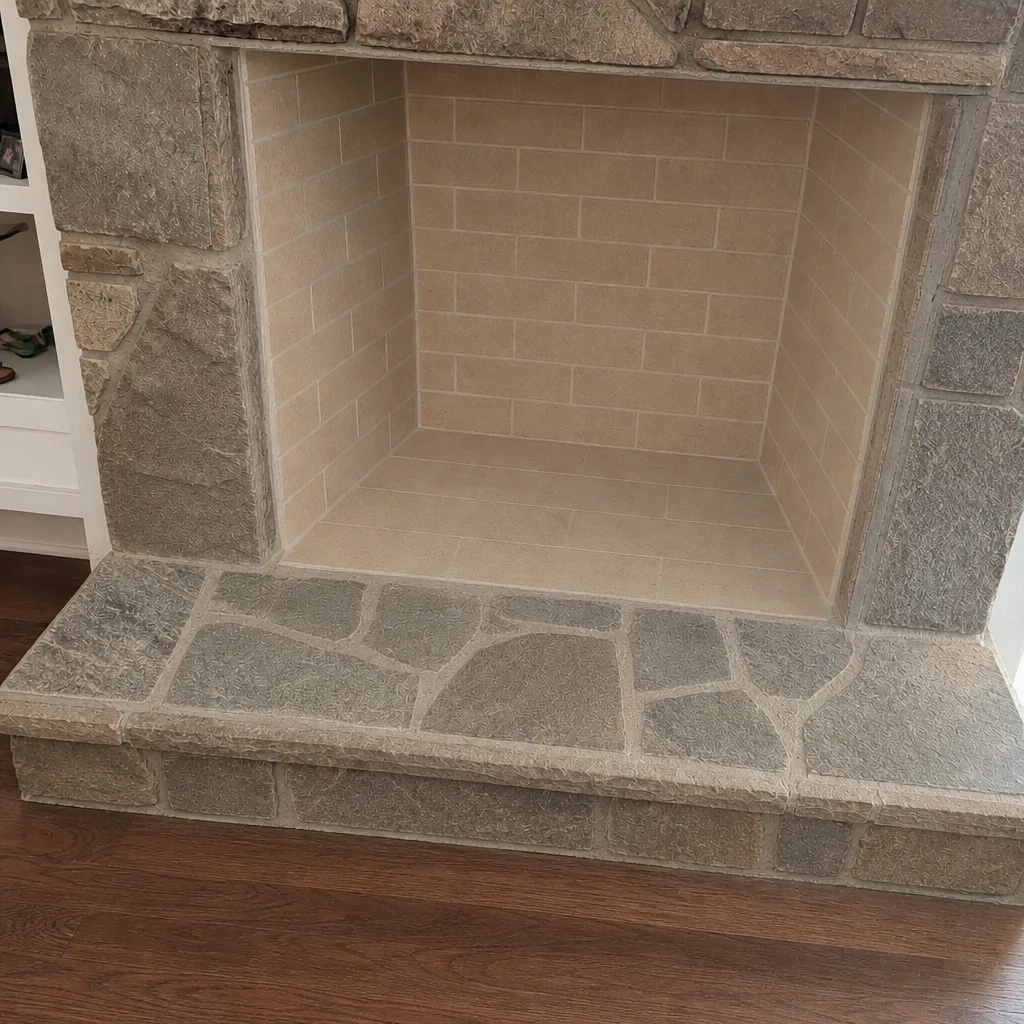 After
When to Call a Professional
Some chimney situations are routine, and some need a professional on the phone right away. Call if you’ve never had the flue cleaned and you burn regularly, if it’s been more than a year since the last cleaning, if you smell a strong smoky or tar-like odor from the fireplace even when it’s not burning, if the fire smokes into the room instead of drafting up, if you see visible creosote or soot clinging to the firebox walls, if you notice a cracked crown or missing chimney cap, or if you’re preparing to sell a Murfreesboro home and need documentation. We answer 24/7. A call outside dispatch hours is booked into the next opening, Sunday through Friday, 7am to 7pm. Goodwin Chimney Sweep offers free estimates in Murfreesboro – call (844) 372-0461. Fast dispatch from 7am to 7pm, Sunday through Friday, and the written estimate sets the final price.
Frequently Asked Questions
A standard chimney sweep in Murfreesboro typically runs $180 to $320 for a Level 1 inspection and cleaning on a masonry fireplace, with prefab systems and heavier creosote often running a bit higher. The estimate is free and the price is set per job by the written estimate, because creosote degree, flue length, and appliance type all affect what the job actually requires. Call (844) 372-0461 for an exact quote – estimates are free.
Once a year, before the burn season, is the standard for a Murfreesboro home with an active fireplace or wood stove. The humid Middle Tennessee climate causes creosote to glaze and harden, so a flue here builds a more stubborn layer than in drier regions, and skipping a year means the next cleaning takes longer and the fire risk rises. Call (844) 372-0461 to get on the schedule before the season.
Not always – and we’ll tell you plainly when the liner isn’t the answer. A cracked clay tile liner can sometimes be restored with HeatShield resurfacing rather than fully replaced, and a prefab liner may just need a repair if the issue is at one joint. What matters is that the recommendation comes from camera evidence you can see for yourself. If the liner is intact, we say so. If work can safely wait a season, we say that too. Call (844) 372-0461 for an inspection and a straight answer.
The creosote layer thickens, hardens, and glazes, which is where the fire risk lives – glazed creosote is combustible and can ignite during a normal fire. The other consequence is structural: moisture absorbed by creosote over a Murfreesboro summer works into the liner and masonry, and what would have been a routine cleaning becomes a repair conversation. Call (844) 372-0461 to book the sweep now.
Not always, because some repairs are scheduled after the cleaning and inspection establish what’s actually needed. But the same company handles all three stages – inspection, cleaning, and repair – so you’re not referred to a second company when the findings come in. That continuity is the practical reason to hire a full-service specialist rather than a sweep-only crew. Call (844) 372-0461 for a free estimate.
You don’t need one by law, but a buyer’s agent usually asks for one. A written report with photos of the flue interior, the crown, and the cap gives the buyer evidence the chimney was maintained, which is what most Murfreesboro sales conversations come down to. Request the report in writing when you schedule the cleaning. Call (844) 372-0461 to book.
The Bottom Line
Chimney cleaning in Murfreesboro is three stages, not one. The inspection establishes what’s inside the flue, the mechanical cleaning removes the creosote, and the post-clean assessment documents what was found and what can be done about it. Skip the inspection and the brush still runs, but the flue stays unsafe. The climate here – humid summers and an interrupted burn season – makes annual cleaning the baseline rather than a habit. For a straightforward walkthrough on Murfreesboro home maintenance, keep the report in writing, demand to see the camera evidence, and use a company that handles sweep, inspection, and repair under one name. That’s how the Goodwin Chimney Sweep approach works. We answer 24/7. Fast dispatch from 7am to 7pm, Sunday through Friday. One call books it. Call (844) 372-0461 for a free estimate – the written estimate sets the final price.
Written by the team at Goodwin Chimney Sweep.