
Last updated November 15, 2026
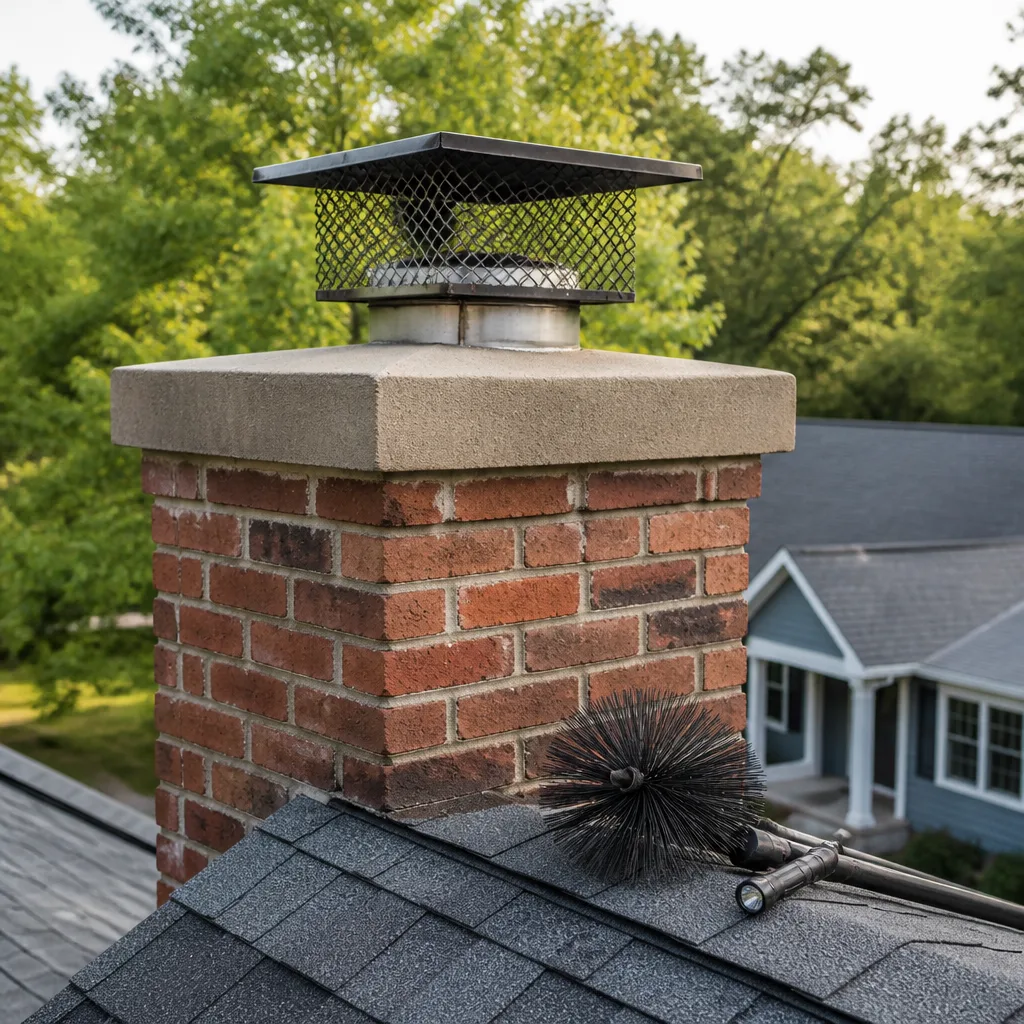 Sweep & inspection
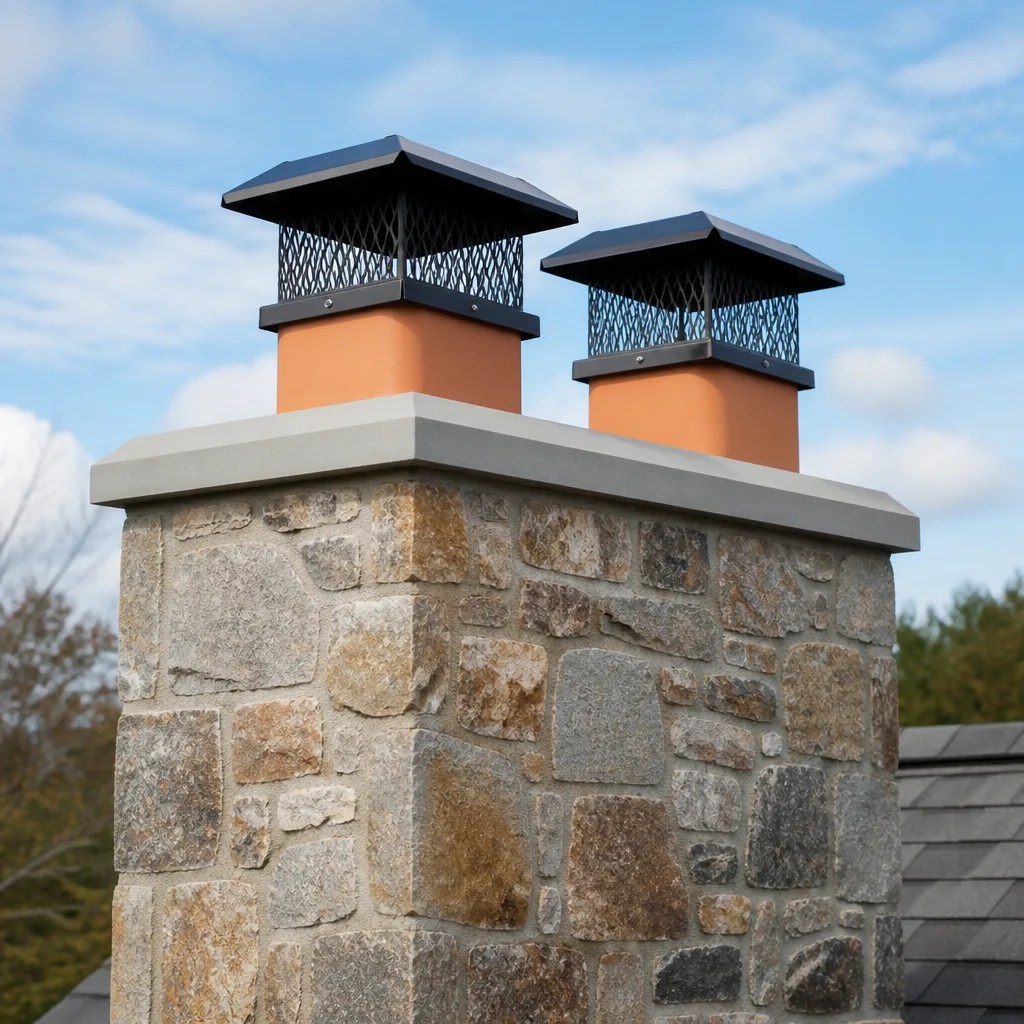 Caps & crowns
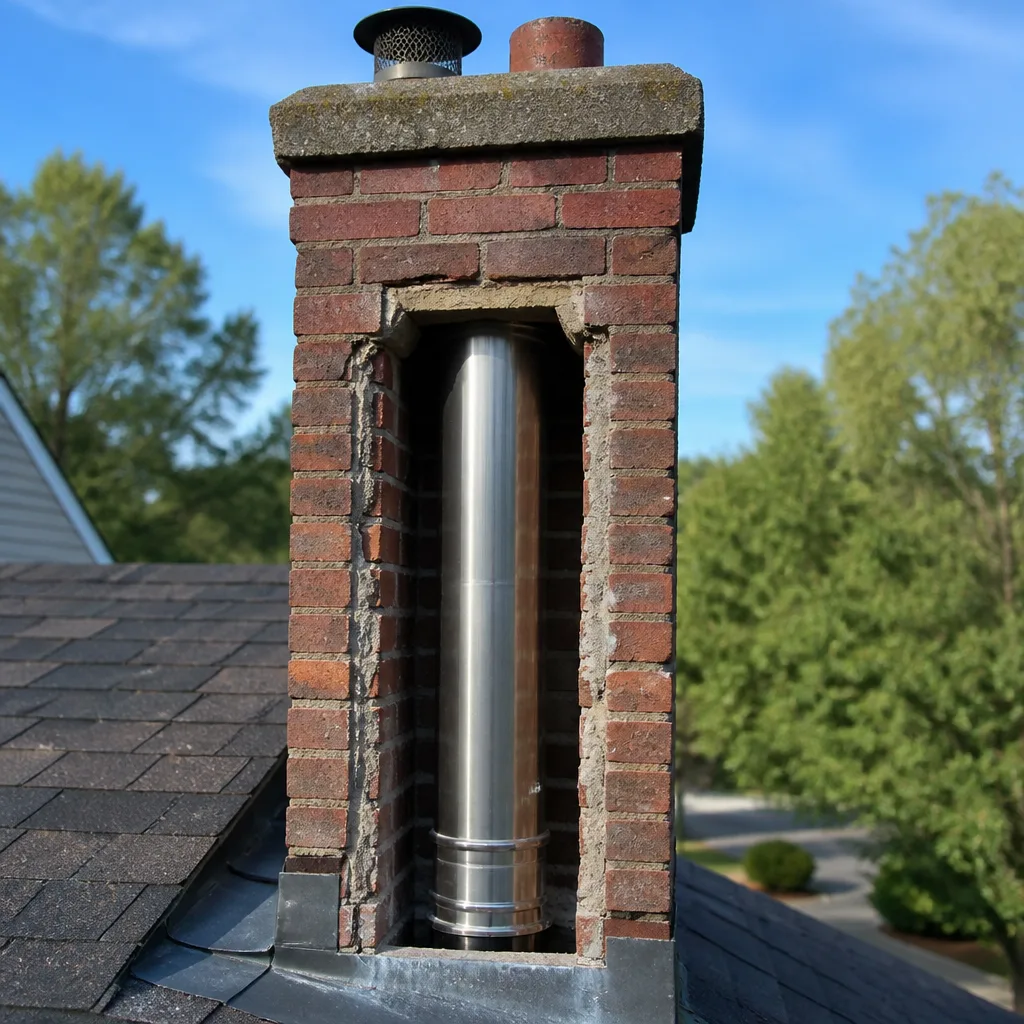 Flue relining
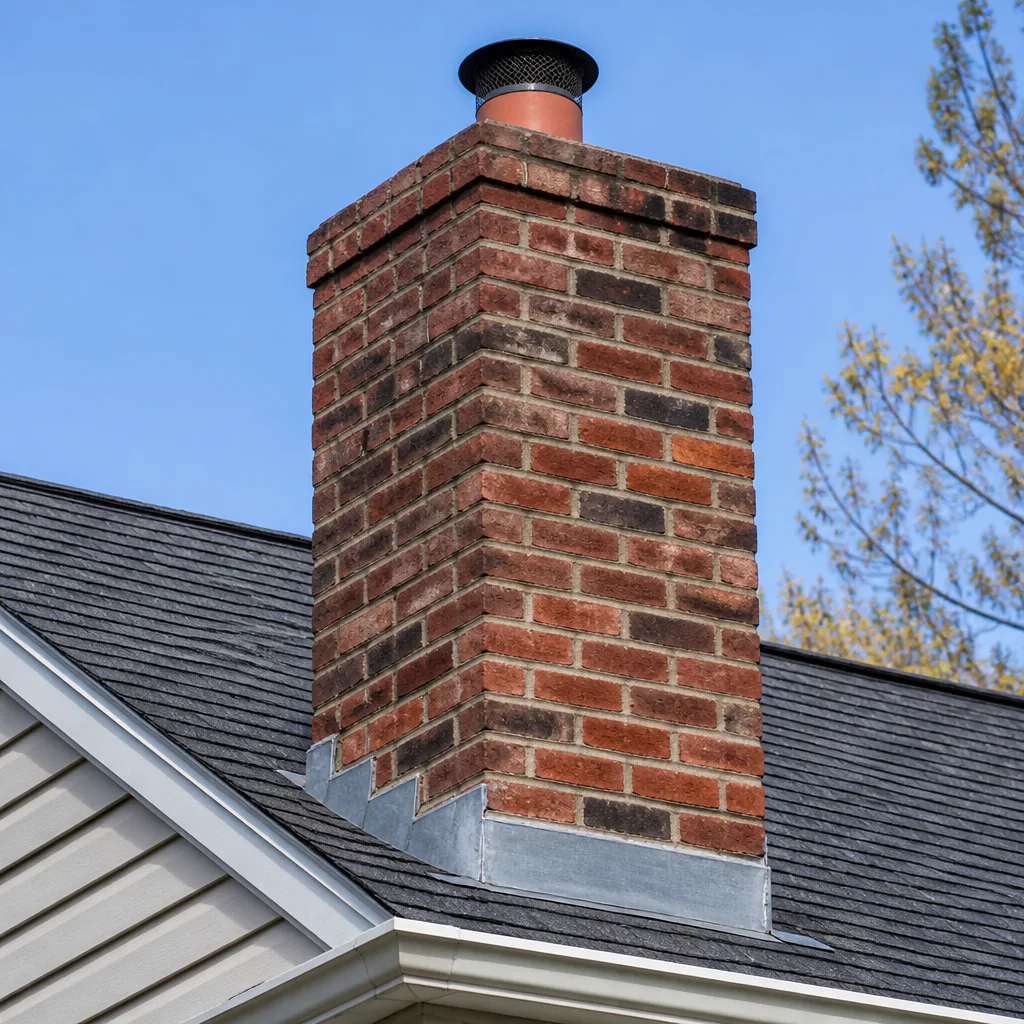 Masonry repair
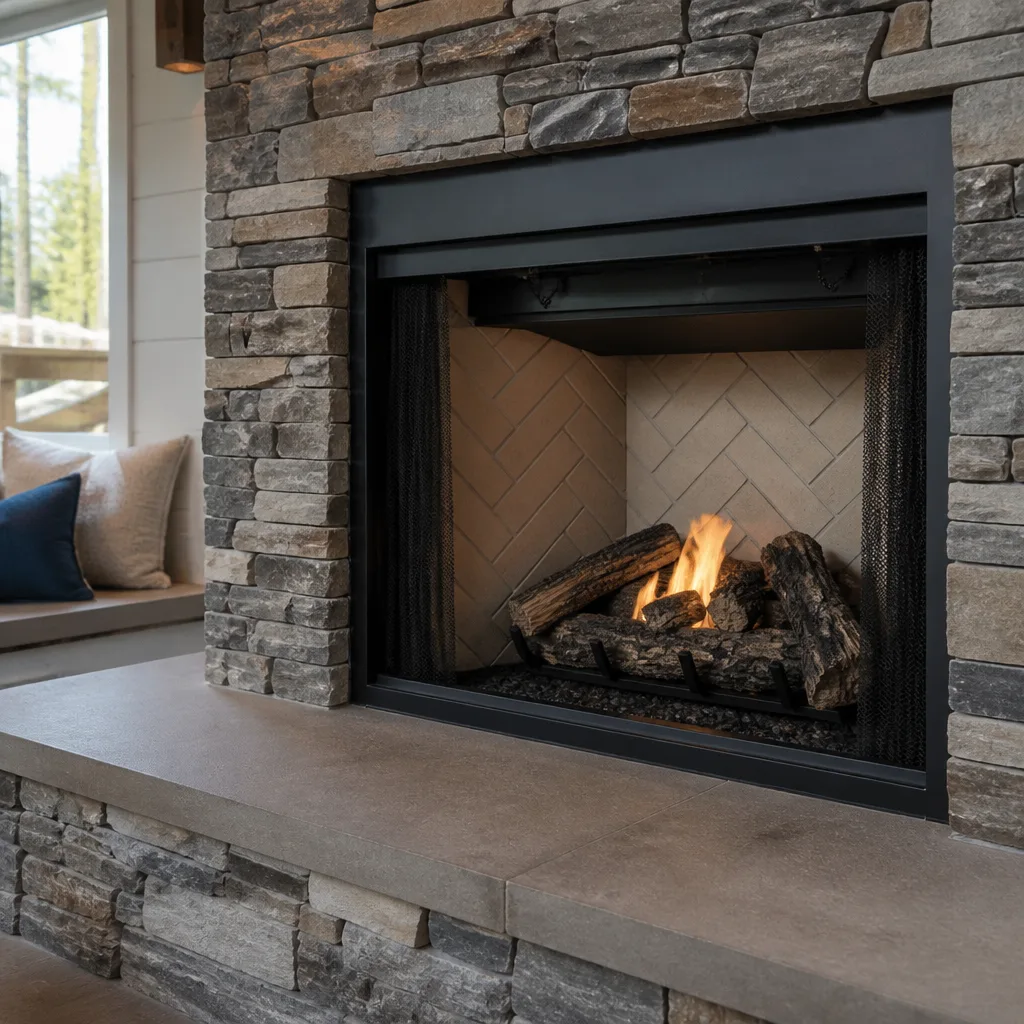 Gas fireplace service
Level 1 sweep and inspection to the NFPA 211 annual standard - flue, crown, cap, and flashing checked and photographed
Chimney sweep logs do not sweep chimneys. They loosen some creosote - which then falls where a brush and vacuum still have to collect it.
Chimney Sweep Troubleshooting in Murfreesboro: Common Problems and How to Fix Them
Smoke rolling into your living room usually gets blamed on the wood, the weather, or the house. It rarely is any of those. The same puff of smoke back into the room can come from a flue blocked by a nest, a crown that has cracked and dropped debris onto the smoke shelf, or a firebox opening that never matched the flue it feeds. Treat the symptom without finding the cause and you pay twice. This guide maps the complaints we hear most often in Murfreesboro to the root cause behind each one, tells you which checks you can safely do yourself, and shows you how to read a written estimate so you know a real repair from an upsell.
Quick Answer
Most chimney problems in Murfreesboro come down to three root causes: creosote and debris buildup in the flue, water damage to the masonry from freeze-thaw cycles, and a mismatch between the firebox opening and the flue size. Each one produces a different symptom, and matching the symptom to the cause is what decides whether you need a sweep, a repair, or a resurfaced liner.
Styles & brands we work with
- Sweep & inspection
- Caps & crowns
- Flue relining
- Masonry repair
- Gas fireplace service
Table of Contents
- Symptom-to-Cause Mapping: What Your Chimney Is Telling You
- Why Smoke Comes Back Into the Room
- How Murfreesboro’s Clay Soil and Freeze-Thaw Cycles Damage Masonry
- Why a Clean Chimney Can Still Have a Draft Problem
- What You Can Safely Check Yourself
- What Requires a Level 2 Inspection
- How to Read a Written Estimate Without Getting Upsold
- Repair Options, From Resurfacing to Full Liner Replacement
Symptom-to-Cause Mapping: What Your Chimney Is Telling You
Every chimney complaint points at a specific part of the system. Reading the symptom correctly is the whole game. Here’s how we sort them when a homeowner calls Murfreesboro with a description over the phone.
- Smoke puffs back into the room on startup, then settles: usually a cold flue. The chimney hasn’t warmed enough to establish upward draft. A pre-heat helps, but persistent backdraft points to flue sizing or a blocked smoke shelf.
- Smoke that never clears, even with a hot fire: obstruction or a flue that is undersized for the firebox opening. This is structural, not a wood problem.
- Slow, lazy draw with a fire that struggles: a partially blocked flue, a damper that isn’t opening fully, or a cap screen packed with creosote and debris.
- A musty or smoky smell when the fireplace is idle: air pressure pulling chimney odor into the house, often made worse by a dirty flue or a missing cap.
- Visible cracking on the exterior or white staining on the brick: water intrusion into the masonry, which then freezes, expands, and spalls the brick face.
- Rust or corrosion on the damper or firebox: moisture getting in from above, typically a failed crown or a missing cap.
The reason this matters: a homeowner who calls about “bad draft” and a homeowner who calls about “smoke in the room” often get the same diagnosis, but not always. Getting the symptom right in the first conversation saves a return visit and prevents paying for a sweep that doesn’t touch the real problem. When the symptom is genuinely ambiguous, that’s when a chimney sweep with a camera and a flashlight does more than a phone call ever could.
Why Smoke Comes Back Into the Room
Backdraft is a pressure problem, and pressure problems have causes. The most common ones we find are a flue that’s too short for the house, a flue that’s too large for the firebox, a competing exhaust fan pulling air out of the house and starving the fire of oxygen, or a flue blocked by a bird’s nest or a collapsed liner tile. Each has a different fix.
Here’s how the diagnosis usually unfolds:
- Confirm the flue is clear. A flashlight up the flue with the damper open will show a nest, a fallen tile, or heavy creosote. If it’s clear, the problem is pressure, not obstruction.
- Check the cap and screen. A cap that’s too tight or a screen packed with debris restricts exhaust and causes smoke to spill. A properly sized cap with an open screen allows good flow.
- Measure the flue against the firebox opening. The general rule in the trade is that the flue’s cross-sectional area should be roughly one-tenth of the firebox opening’s area. A firebox built too large for its flue will smoke no matter how dry your wood is.
- Look at the house’s air balance. A kitchen exhaust, a bathroom fan, or a tightly sealed house can pull enough negative pressure to reverse the draft. Cracking a window near the fireplace is a temporary test, not a fix.
- Consider the height. A flue that terminates too close to the roof ridge or a nearby tree can get caught in a downdraft. Raising the flue or adding a proper cap sometimes solves it.
If the flue is clear and the cap is fine, the answer usually lies in the flue-to-firebox relationship or the house’s air balance, and that’s a structural fix, not a cleaning fix. This is where a competent assessment matters, because the wrong repair (a new cap on a short flue) solves nothing.
How Murfreesboro’s Clay Soil and Freeze-Thaw Cycles Damage Masonry
Middle Tennessee does freeze. Murfreesboro sits on heavy clay soil, and clay holds water against the foundation and the base of a chimney. That’s the setup for the most destructive pattern in masonry: water gets into the brick or mortar, a freeze expands it, and the surface breaks off. This is called spalling, and it’s the reason a chimney that looks fine in July can have a crumbling crown by February.
Two specific things happen here:
- Mortar joint failure. The mortar between the bricks is softer than the brick itself, and it absorbs water readily. Repeated freeze-thaw cycles push the mortar out, leaving the brick face exposed and vulnerable.
- Crown cracking. The crown is the concrete cap on top of the chimney that sheds water away from the flue. A hairline crack is enough to let water in, and once it’s in, it freezes. A cracked crown is the single most common pathway for water into a chimney, and it’s the one most often missed because it’s on the roof and out of sight.
The fix for both is chimney repair that addresses the water source, not just the visible damage. Repointing the mortar joints and resurfacing the crown with a proper masonry material is the standard approach. Patching a crown crack with a tube of caulk from a hardware store doesn’t hold through a Middle Tennessee winter, and it hides the problem rather than solving it. We use HeatShield for crown and flue resurfacing because it’s a masonry resurfacing product, not a patch compound.
Why a Clean Chimney Can Still Have a Draft Problem
A swept flue is not a drafted flue. Cleaning removes creosote and debris; it doesn’t change the physics of the chimney. If the firebox opening is wider than the flue can feed, the chimney will smoke whether it’s spotless or not. This is the single most misunderstood thing in the trade, and it’s where a lot of homeowner money gets spent on repeat sweeps that never fix the complaint.
The relationship to understand: a fireplace draws air from the room, and a properly sized flue moves that exhaust up and out. When the firebox is too large for the flue, the volume of smoke exceeds what the flue can carry, and the excess spills back into the room. A common fix is installing a flue that matches the firebox opening, or fitting a smaller firebox insert. You can’t always see this from the outside. A Level 2 inspection, which includes a camera to look at the interior of the flue, will show whether the flue’s dimensions are appropriate.
There’s a smaller version of this problem at the top of the chimney. A cap with a screen that’s too tight, or a cap that’s the wrong size for the flue, restricts the exhaust and creates the same spill. Gelco and Famco produce caps and venting components sized to the flue, which is why we work with them rather than trimming a generic cap to fit.
Many homeowners in established Murfreesboro neighborhoods like Blackman and Siegel Ridge have fireplaces built decades ago, and the flue sizes and firebox dimensions of that era aren’t always matched by modern standards. A clean chimney, in those houses, still needs a real assessment.
What You Can Safely Check Yourself
There’s a safe set of checks a homeowner can do with a flashlight and eyes, and there’s a set that requires a trained technician and doesn’t belong in a DIY list. Knowing the line saves you injury and money.
Safe checks
- Look up the flue with a flashlight while the fireplace is cold. Note whether you see an obstruction, a nest, or heavy buildup on the walls.
- Open and close the damper fully. Check that it seats properly and isn’t rusted shut or jammed halfway.
- Inspect the crown from the roof edge, if you can see it without climbing. Hairline cracks or a spalling surface are visible signs of water damage.
- Look at the exterior for white staining, crumbling mortar, or loose bricks. These are water intrusion symptoms, not just cosmetic wear.
- Check the cap and screen for visible blockage or a missing screen.
What not to do yourself
Don’t climb onto a steep roof to inspect or repair a crown. Don’t reach into the firebox or up the flue to dislodge a blockage by hand. Don’t pull a liner or attempt to remove creosote from inside the flue. Don’t work near the damper while a fire is lit or smoldering. These tasks involve burns, falls, and hidden structural failure, and a trained professional should handle them.
What Requires a Level 2 Inspection
A Level 2 inspection is a visual and camera-based inspection of the entire chimney system, including spaces that aren’t visible from the firebox or the roof. It’s the standard when you’ve had a chimney fire, when the house has changed hands, after a change to the heating appliance, or when the symptoms point to something you can’t see from the ground.
What it covers:
- The interior of the flue, via camera, to detect cracked or missing liner tiles, gaps in a flexible liner, and heavy creosote.
- The exterior of the chimney, including the crown, the cap, the mortar joints, and any visible spalling.
- The firebox and smoke chamber, to check for joint separation and buildup.
- The connector between the appliance and the chimney, where heat and creosote concentrate.
Camera inspection matters because the visible part of the flue tells you almost nothing about the part above it. A firebox that looks fine can sit beneath a flue with a cracked tile that lets creosote reach the masonry and heat leak into the structure. We show you the camera footage so the evidence is yours, not ours. That’s the difference between an inspection and a sales pitch. It’s also why a proper inspection should come before any repair recommendation, and it should be documented so you can review it later.
How to Read a Written Estimate Without Getting Upsold
An honest estimate is specific, itemized, and explains why each item is needed. A vague one is a red flag. Here are the things to check for before you sign anything, and the specific signs that a recommendation is not supported by evidence.
Green flags in a fair estimate
- A line-item description of each task, with the product or method named.
- A reference to what was found, with photos or camera footage you see yourself.
- A clear statement of what can safely wait, and what shouldn’t.
- Material quality named, not just “a liner” – a specific product line, not a generic description.
Red flags to watch for
- “Your liner is shot, you need a full replacement” with no camera evidence. A liner recommendation without footage is a guess, not a diagnosis. Ask to see the interior of the flue.
- A written quote that arrives before anyone has looked up the flue. Guessing the problem from the outside is how a sweeping company sells a repair it can’t justify.
- Pressure to schedule the same day. A real safety issue will still be there tomorrow, and a fair estimate can wait for you to review it.
- Generic “chimney repair” with no product specified. A professional-grade liner, resurfacing, or cap has a brand and a spec. A hardware-store substitute doesn’t hold up through a Tennessee freeze.
- A recommendation that includes services you didn’t ask about and can’t see a problem with. Ask what the specific evidence is, and ask what happens if you wait.
We pair every recommendation with what the camera shows, and we tell you plainly when a repair can wait. That’s not a sales tactic; it’s the only way an estimate is worth anything.
Repair Options, From Resurfacing to Full Liner Replacement
Chimney repairs fall into a few categories, and each has a narrow set of appropriate fixes. Here’s what a technician assesses before recommending one.
- Crown and mortar repair. The lowest-cost fix when the problem is water getting in through the crown. Resurfacing the crown and repointing the mortar joints addresses the source. This is where HeatShield resurfacing is the right tool rather than a full liner replacement.
- Flue resurfacing. When the interior of the flue has cracked or lost its tile face but the overall structure is sound, resurfacing with HeatShield can restore a smooth, tight flue without a full liner. Not every flue is a candidate, and that’s decided by inspection.
- Flexible liner installation. When the original flue is too damaged, too small, or has an offset that can’t be run straight, a flexible liner is the repair. DuraFlex and Olympia Chimney make the liner systems that work in older and offset flues, which is a job that separates a real chimney specialist from a sweep-only operator.
- Cap and venting work. A missing or broken cap lets water in and animals take up residence. Gelco and Famco make caps and vent components sized to the flue, and fitting the right one is the goal, not trimming a generic part to fit.
In a Murfreesboro house built into clay soil, the order of concern runs from water first, then creosote, then flue sizing. Water causes damage that compounds through every freeze. Creosote causes chimney fires. Flue sizing causes the symptom that started the call. Fixing them in that order, only where the evidence supports it, is how you avoid paying for the wrong repair twice.
Common Mistakes to Avoid
- Assuming fresh wood is the cause of a smoky fire. Dry wood helps, but a flue that’s too small for the firebox will smoke with any wood. The fix is structural, not a better cord.
- Skipping the camera inspection to save a step. The visible firebox doesn’t tell you what’s happening a few feet up the flue. A cracked liner tile is invisible from the floor and the whole reason a Level 2 inspection exists.
- Sealing a crown crack with caulk. Caulk doesn’t survive a Murfreesboro freeze, and it hides the crack rather than resurfacing the crown. Water gets in next winter anyway.
- Paying for a full liner before resurfacing is ruled out. A HeatShield resurfacing can restore a flue that a sweep-only operator would write off as needing a complete liner. Get the assessment before the quote.
- Trusting a quote given before anyone has seen the inside of the flue. A repair estimate that appears before the inspection is a guess, and guessing is how upsells happen.
- Ignoring a missing cap. A cap is the cheapest piece of the whole system, and it’s the one that keeps water, debris, and animals out. Skipping it is how a small problem becomes a masonry repair.
- Letting a flue go unassessed after a chimney fire. Even a small fire can crack a tile. The damage is often invisible from the firebox and requires camera inspection to find.
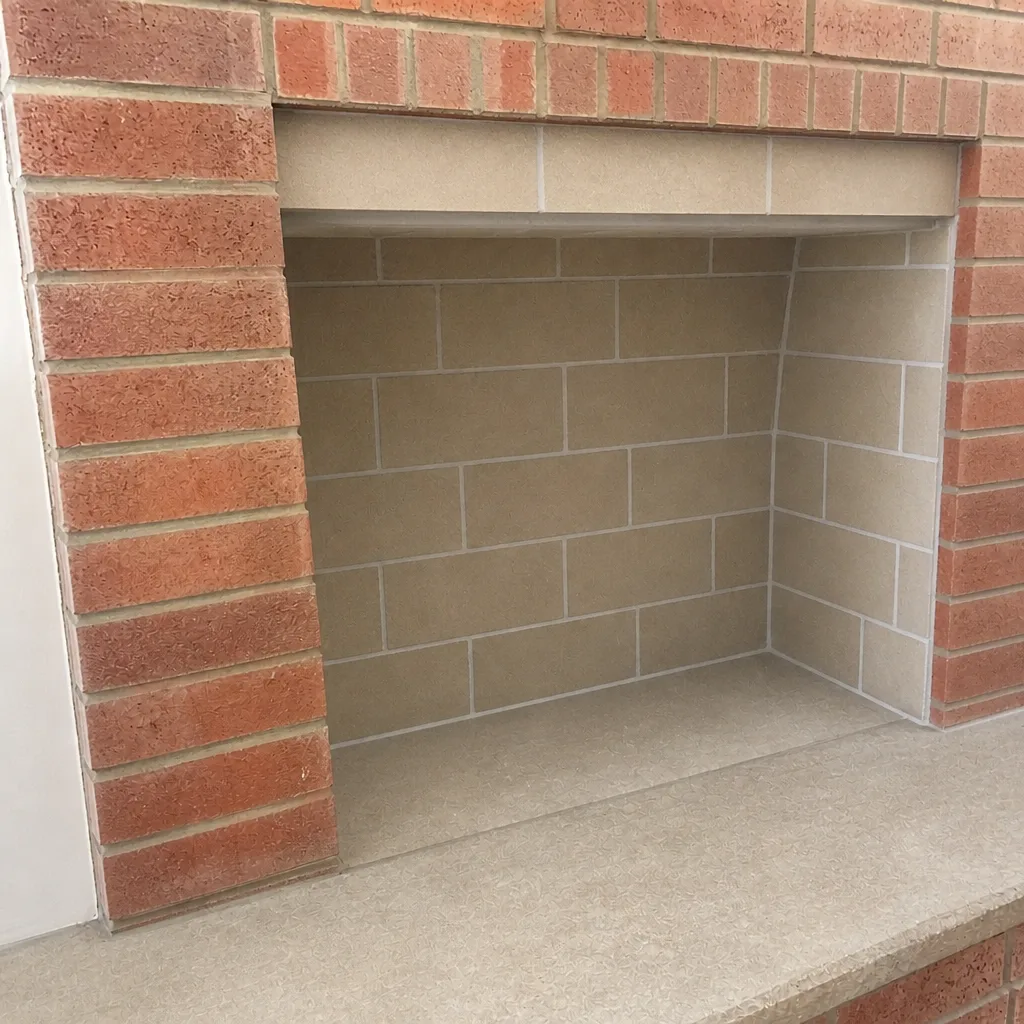
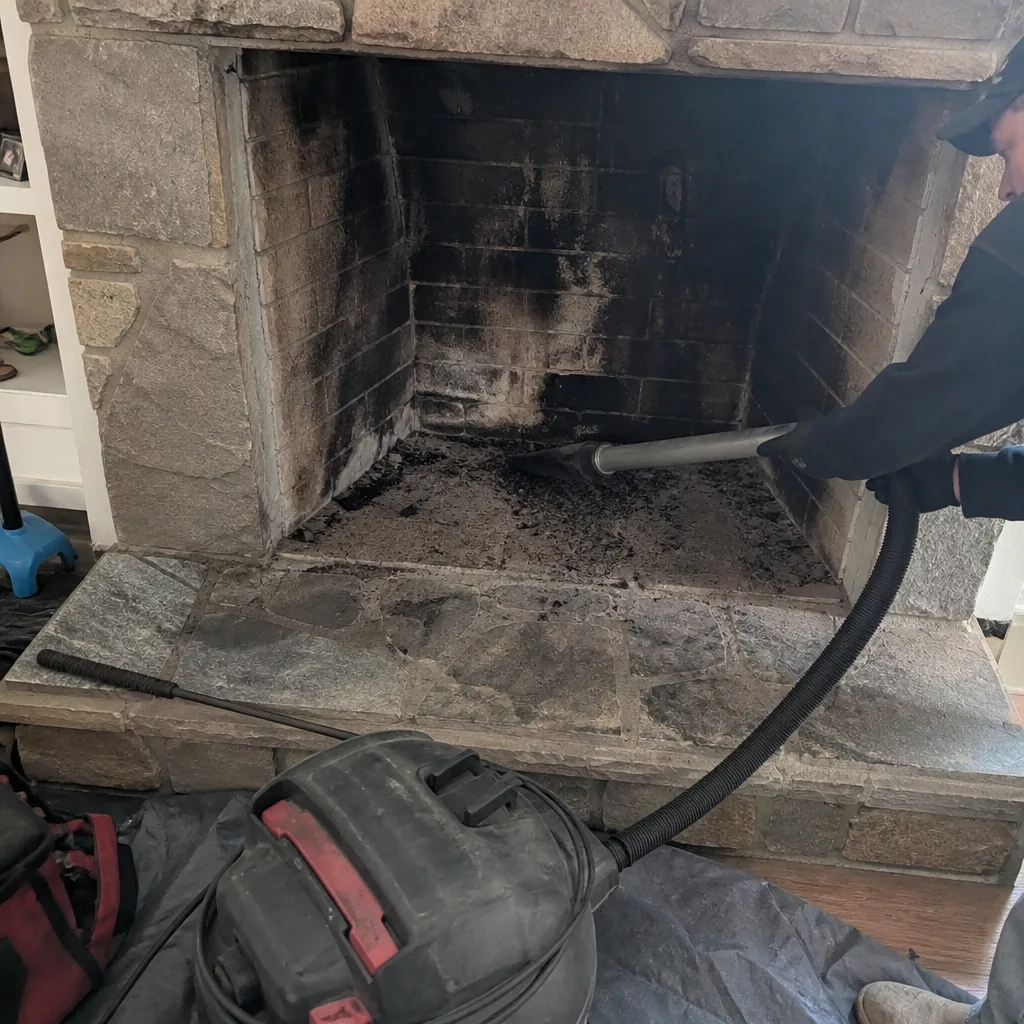
See the difference
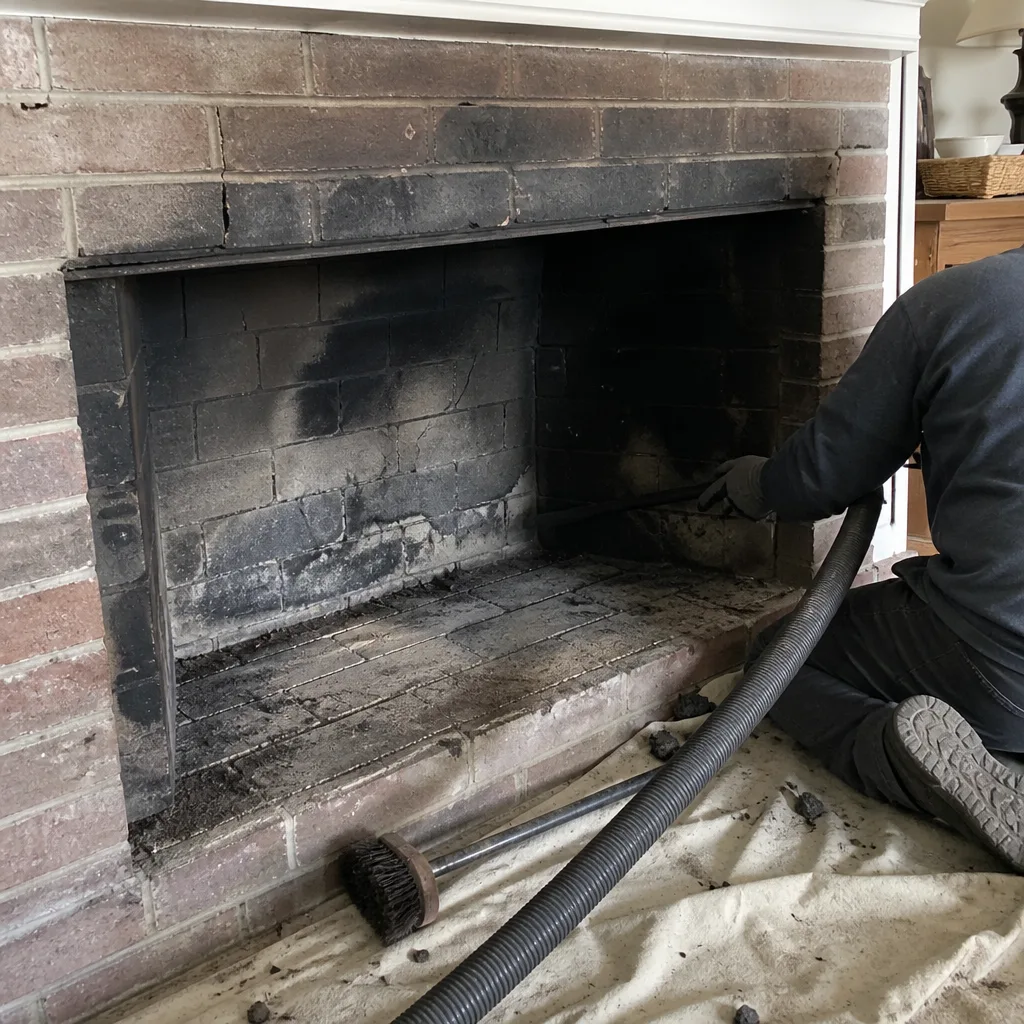 Before
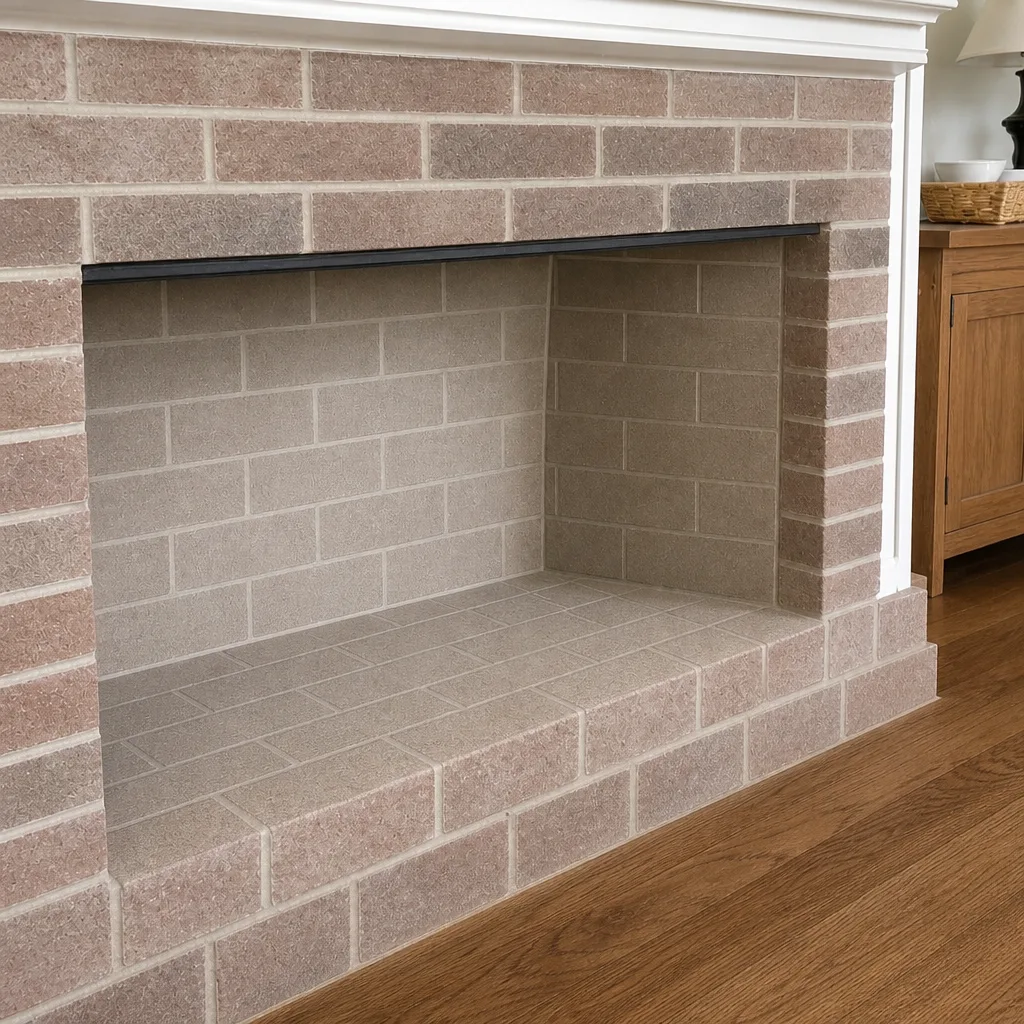 After
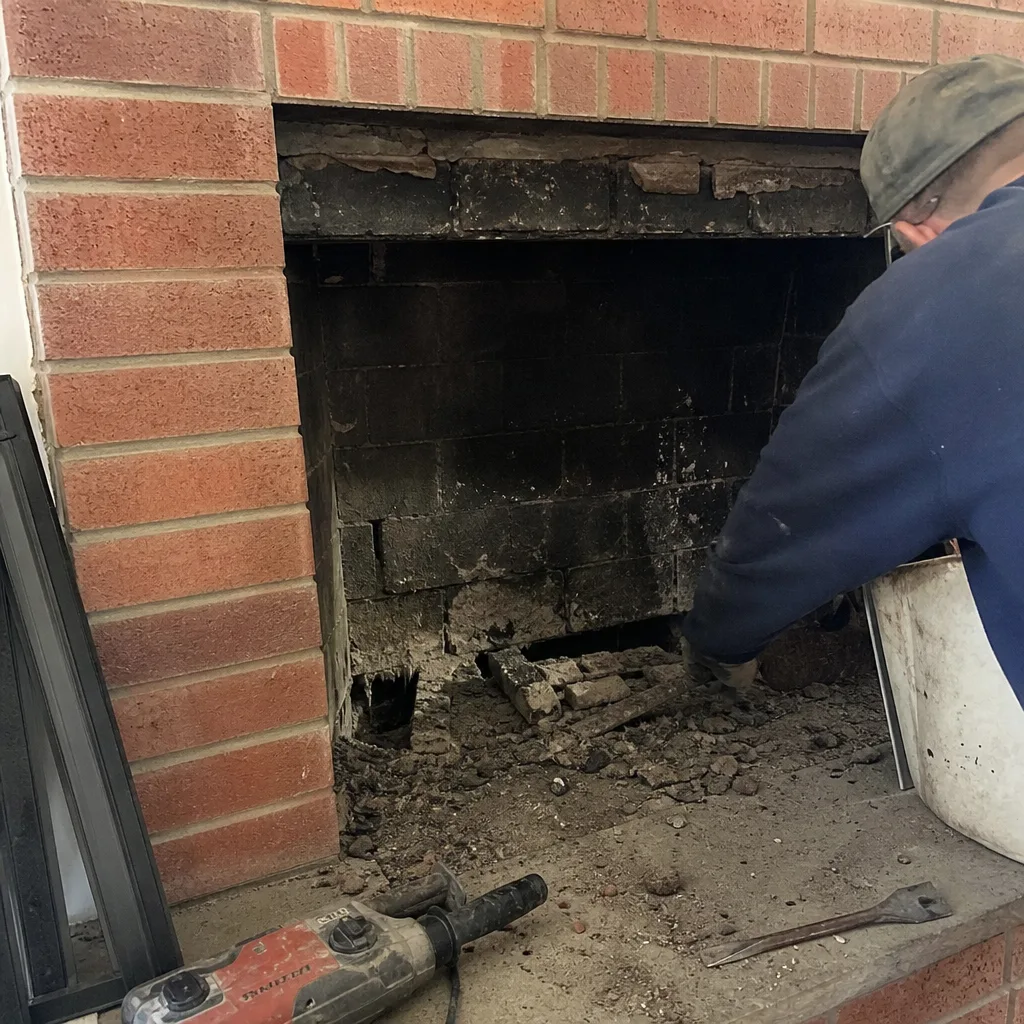 Before
 After
 Before
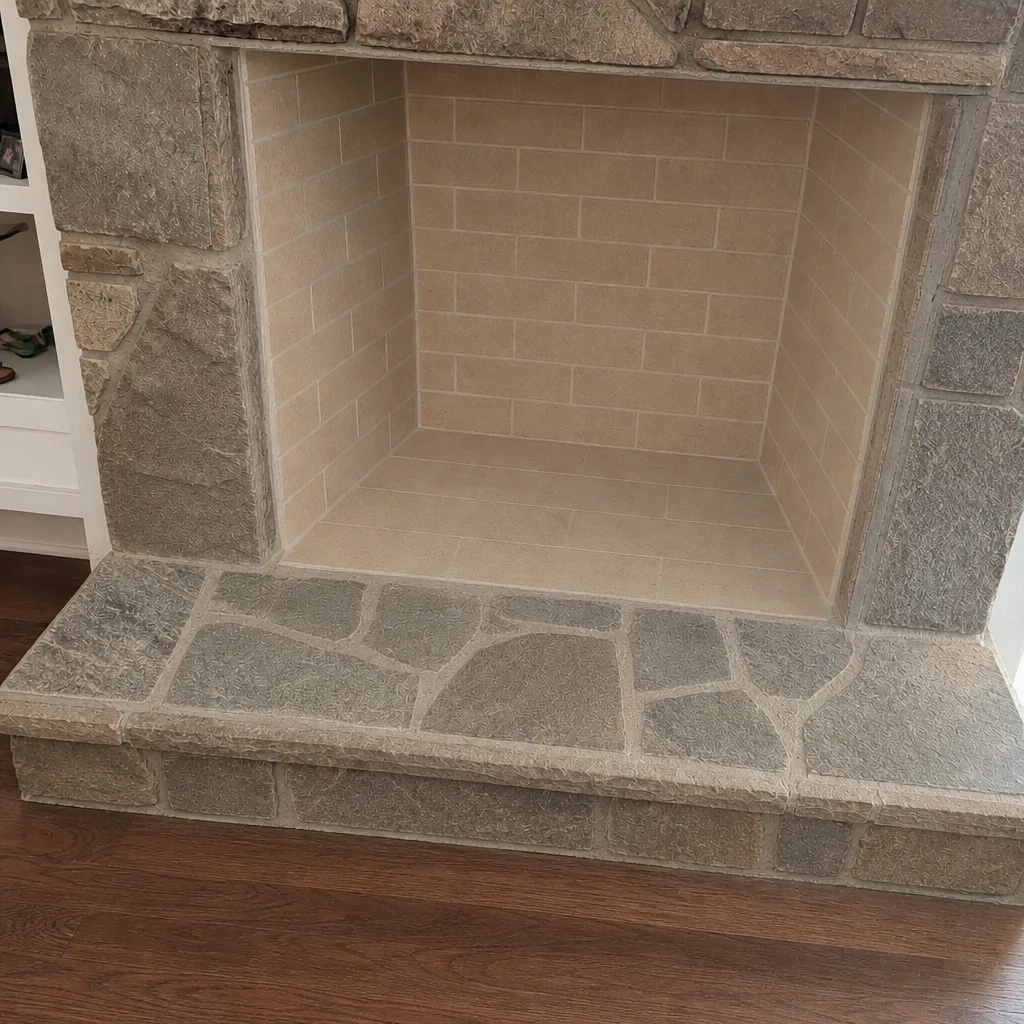 After
When to Call a Professional
Call a professional when smoke comes into the room and won’t clear, when you see cracking or white staining on the exterior, when you smell smoke from an idle fireplace, when a chimney fire has happened, or when the flue hasn’t been inspected in a while and you can’t see far enough up it to trust it. Call before you light the first fire of the season, not after. Goodwin Chimney Sweep offers free estimates in Murfreesboro – call (844) 372-0461. We answer 24/7. Fast dispatch from 7am to 7pm, Sunday through Friday.
Frequently Asked Questions
The most common are creosote buildup, a cracked crown letting water into the masonry, and a flue that’s undersized for the firebox opening. Clay soil and freeze-thaw cycles make the crown and mortar failures the most frequent structural issue here, while the draft and smoking complaints usually trace back to flue sizing.
You can test it. Open a window near the fireplace while a fire is burning; if the smoke stops, you likely have a negative-pressure or flue-sizing issue, which needs an assessment rather than a DIY fix. Don’t climb onto the roof or reach into the flue. Call (844) 372-0461 for a free estimate if the smoke persists.
Look for a hairline crack on the top surface of the chimney crown, or white staining and crumbling mortar on the exterior brick. You can see the crown from the ground edge if the roof line allows, but don’t climb to check. A cracked crown is the most common pathway for water damage, and it needs resurfacing, not caulk.
Not always. A flue with a cracked tile face but a sound structure can sometimes be resurfaced with HeatShield instead of replaced with a full liner. The decision depends on what the camera inspection shows, which is why we don’t recommend one without footage you can see.
A smoky or musty smell from an idle fireplace is usually air pressure pulling chimney odor into the house, made worse by a dirty flue or a missing cap. Cleaning the flue and capping the chimney typically resolves it. Call (844) 372-0461 for an assessment.
An annual inspection is the general standard, and it matters more here because the freeze-thaw cycle can crack a crown or loosen mortar over a single winter. If you burn often, or if you’ve seen smoke in the room, get the flue checked before the next season.
The Bottom Line
The symptom in your living room – smoke, smell, slow draw – is the starting point, not the answer. Match the symptom to the cause: buildup calls for a sweep, water damage calls for crown and mortar repair, flue sizing calls for a liner or insert. Get camera evidence before any repair, and read every estimate for specifics. We work with professional-grade brands because a repair has to survive a Murfreesboro winter, and we show you what we find. Goodwin Chimney Sweep handles sweep, inspection, and repair under one company, so the problem you find is the problem we fix. Call (844) 372-0461 for a free estimate. We answer 24/7. Fast dispatch from 7am to 7pm, Sunday through Friday.
Written by the team at Goodwin Chimney Sweep.