
Last updated November 15, 2026
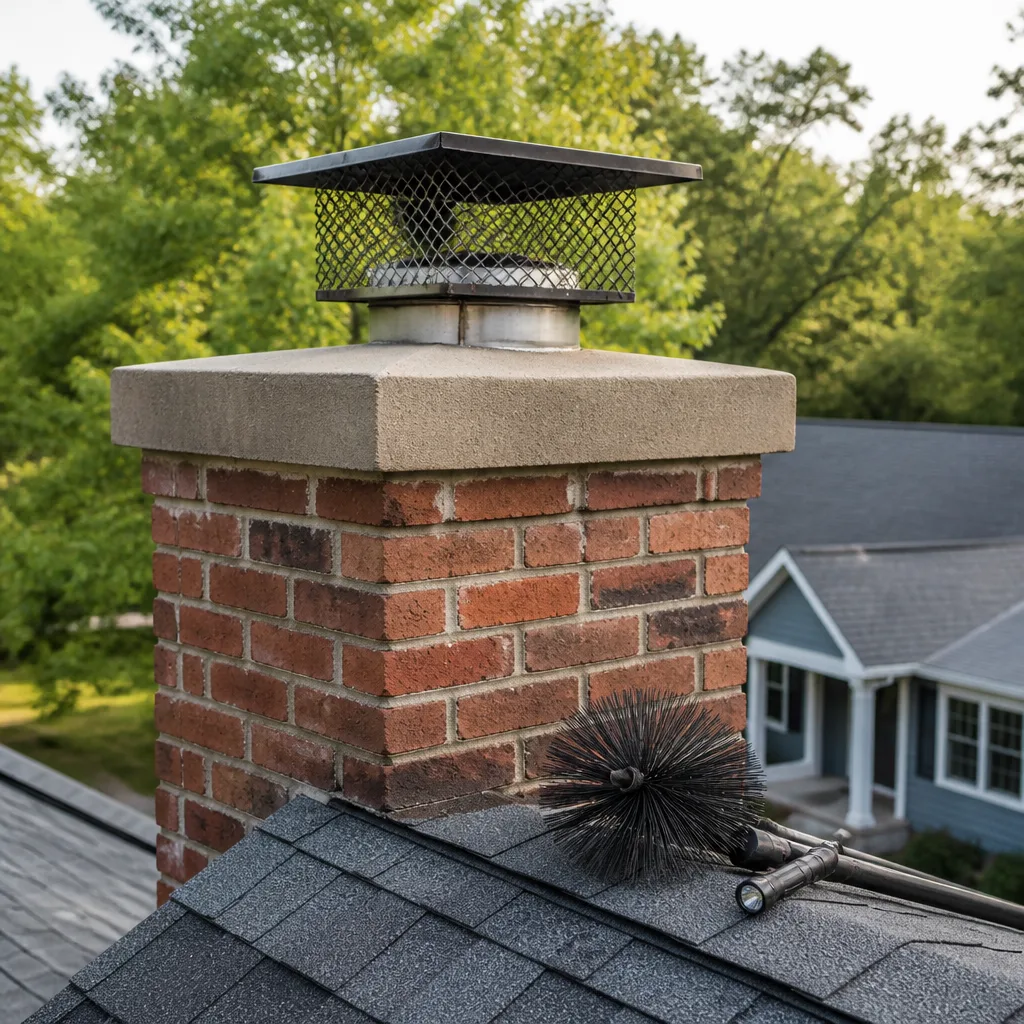 Sweep & inspection
 Caps & crowns
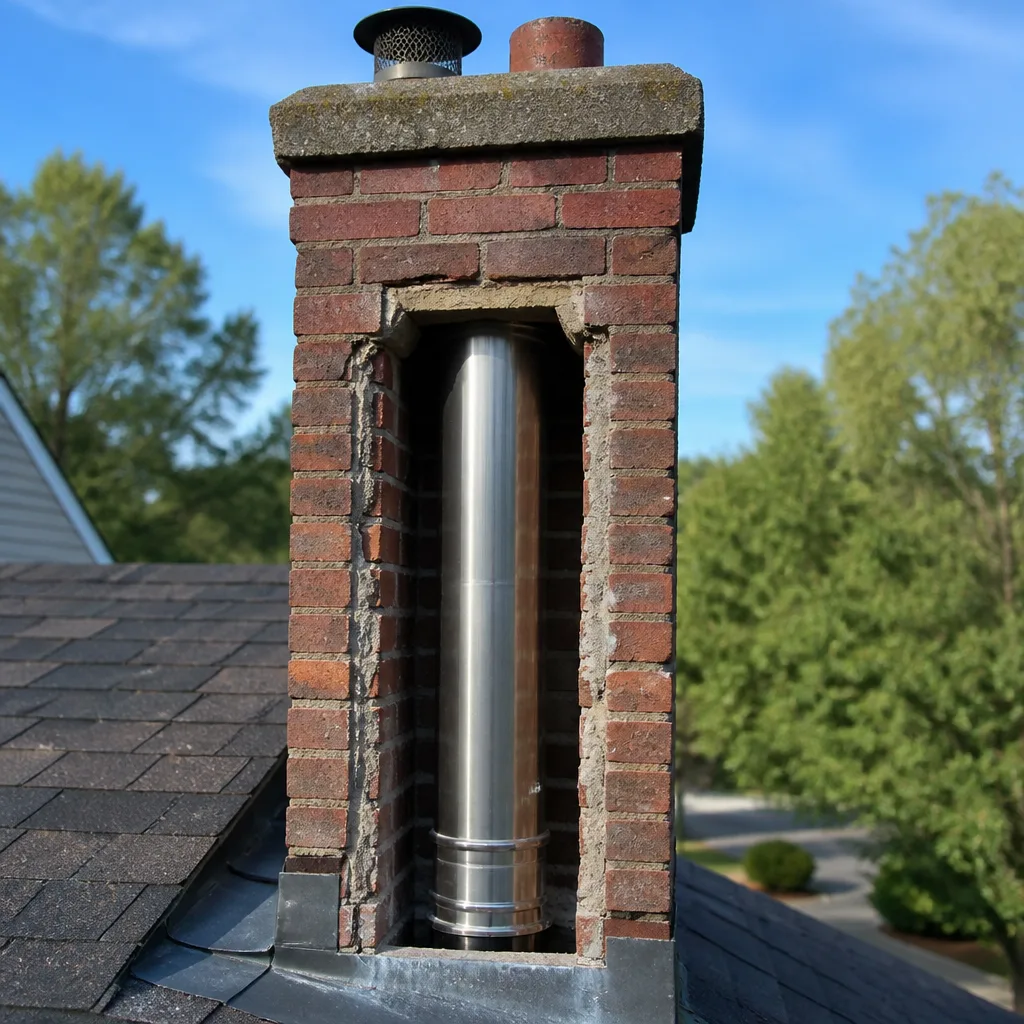 Flue relining
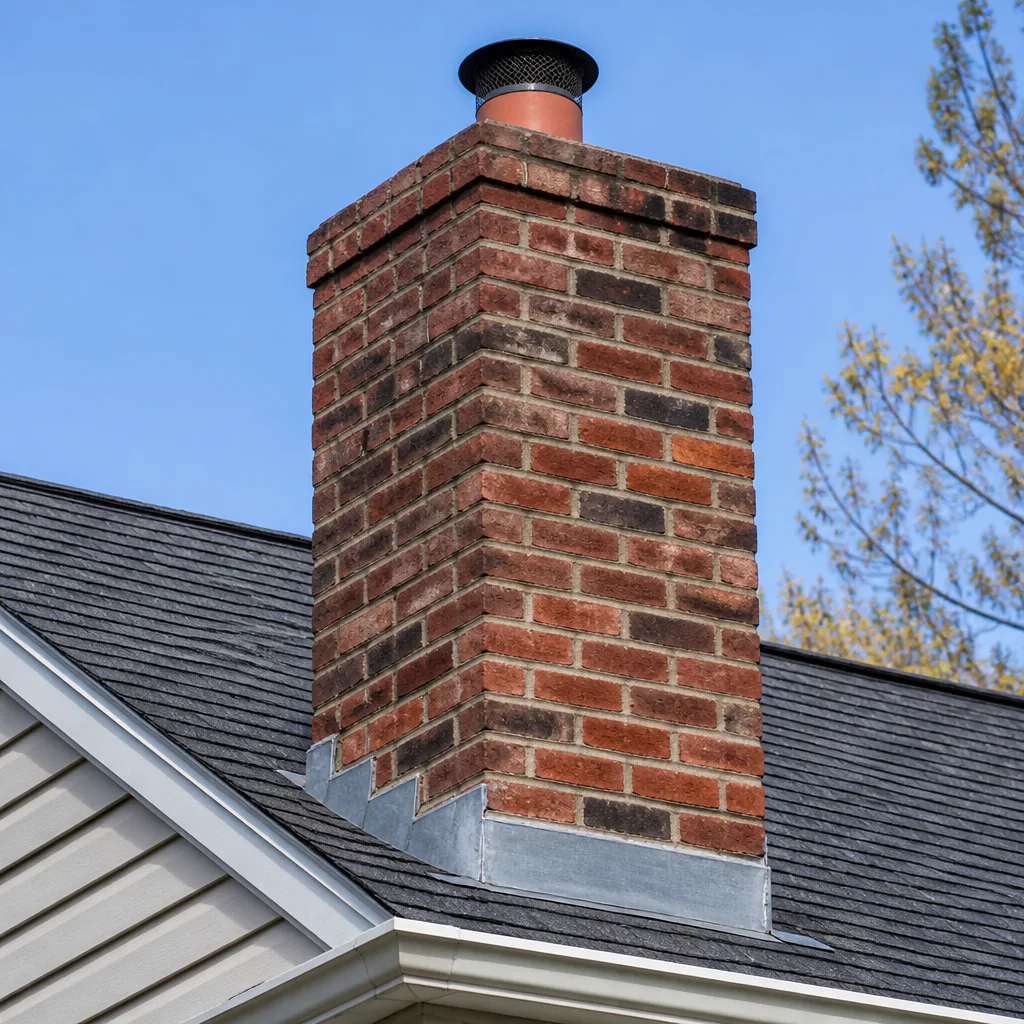 Masonry repair
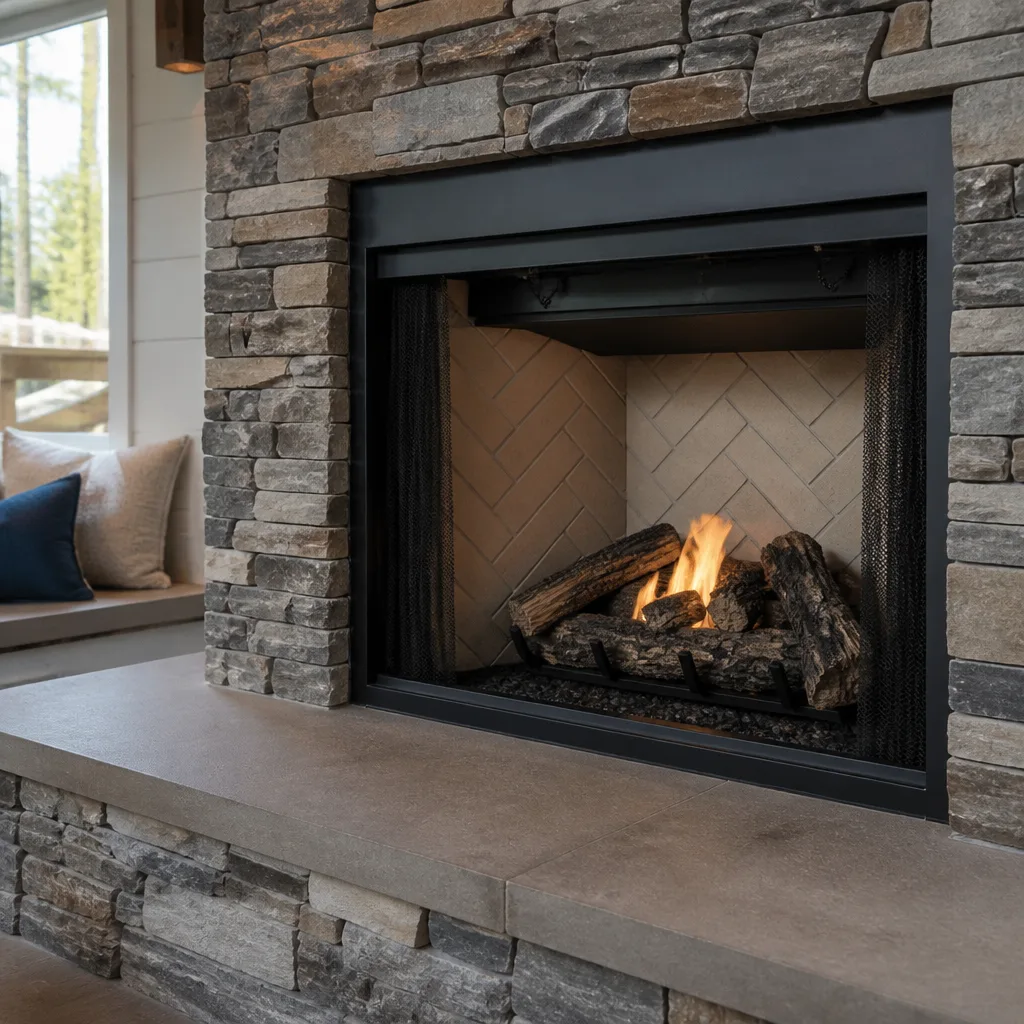 Gas fireplace service
Level 1 sweep and inspection to the NFPA 211 annual standard - flue, crown, cap, and flashing checked and photographed
Chimney sweep logs do not sweep chimneys. They loosen some creosote - which then falls where a brush and vacuum still have to collect it.
DIY vs Professional Chimney Cleaning: The Murfreesboro Homeowner’s Decision Guide
The kit on the shelf at the hardware store tells a convincing story. A brush, a few flexible rods, a drill attachment, and a Saturday afternoon. And for a narrow slice of homes, that story is actually true. But the gap between what a brush can reach and what a working chimney actually needs is where the trouble starts. A brush cleans soot from straight flue walls. It cannot tell you whether your liner has cracked, whether the smoke chamber has started to deteriorate, or whether the crown has a hairline fracture letting water into your masonry. In Murfreesboro, where brick chimneys take on humid summers and hard freezes in the same year, those hidden issues compound quietly. This guide draws the line honestly: what you can do yourself, what you shouldn’t, and how to decide for your specific home.
Quick Answer
DIY chimney cleaning is only appropriate for Stage 1 creosote on a straight, accessible single-story flue with no reported performance issues. Anything involving Stage 2 or Stage 3 creosote, multi-story or offset flues, gas inserts, or any sign of structural concern needs a professional with camera inspection capability. Most Murfreesboro homeowners who try DIY are really looking for a maintenance sweep of an already-healthy chimney, and that’s the one case where a kit can work.
Styles & brands we work with
- Sweep & inspection
- Caps & crowns
- Flue relining
- Masonry repair
- Gas fireplace service
Table of Contents
- What a DIY chimney brush kit can realistically clean
- The conditions that make DIY the wrong tool for your chimney
- The real cost of DIY against a professional sweep in Murfreesboro
- What a professional sees that you can’t
- Creosote stages and why they change the decision
- Murfreesboro climate, housing, and your chimney
- Five questions to answer honestly before you decide
- What a professional sweep actually involves
What a DIY Chimney Brush Kit Can Realistically Clean
A brush kit cleans one thing well: loose soot and light Stage 1 creosote from the inside walls of a straight flue. That’s the flaky, brushable, ash-like deposit that builds up from normal wood burning. If your flue runs straight from the firebox to the cap with no bends, no offsets, and no liner damage, a homeowner with the right size brush and a decent shop vacuum can knock that deposit down. It’s messy, it’s dirty, but it’s doable.
Here’s the honest list of what a DIY kit handles:
- Single-story, straight flue with a clear path from firebox to top. No offset, no chimney chase with a jog, no exterior masonry stack with a turn inside.
- Stage 1 creosote only – soft, flaky, brushes off easily. If you’re scraping at something that feels gummy, glazed, or hard like tar, you’re past what a brush can touch.
- A clean damper and firebox, reachable by hand. You can scoop ash, wipe the firebox floor, and clear the damper throat.
- No reported performance issues – no smoke rolling into the room, no odd smells during rain, no visible cracks in the firebox brick, no water stains on the smoke chamber.
The misconception we see most often is that a clean flue and a safe flue are the same thing. They’re not. A flue can look spotless from the firebox floor and still have a cracked liner, a warped damper, or masonry spalling behind the visible brick. The brush doesn’t check any of that. It just scrubs. For a Murfreesboro homeowner with a straight flue and a healthy chimney, cleaning is a maintenance task. For everyone else, cleaning is only the first chapter of a longer story.
The Conditions That Make DIY the Wrong Tool for Your Chimney
Some homes can be brushed. Some absolutely cannot. If any of the following describe your chimney, put the kit back on the shelf and call a professional:
- Multi-story homes. Feeding 25 or 30 feet of rods down a flue is a two-person job with real safety concerns at the top. If you’re on a ladder at gutter height with a spinning brush, the risk isn’t worth the savings.
- Offset flues. A flue that changes direction inside the chimney chase is common in older Murfreesboro homes and in homes built on sloped lots. A rigid brush kit can’t navigate the turn cleanly, and flexible rods can snag and damage a liner if you force them.
- Gas inserts and wood-burning stoves. These have their own venting, their own inspection points, and their own creosote behavior. Gas inserts in particular produce a different deposit that a standard chimney brush isn’t built to manage, and the flue connection needs to be checked by someone who knows what they’re looking at.
- Stage 2 or Stage 3 creosote. Glazed, tar-like, or puffy-and-hard deposits. These need chemical treatment and mechanical removal with the right tooling, and they’re a chimney fire waiting to happen if you leave them in place.
- Any structural concern. Cracked firebox brick, missing mortar joints, a spalling crown, water stains in the smoke chamber, a warped damper, or a liner that’s showing its age. A brush won’t fix any of this and it can make it worse.
- Chimney fires you may have missed. If you’ve heard a low roar or a popping sound during a burn, or your cap has visible soot on the outside, there may have been a small chimney fire. That’s a professional inspection, not a DIY job.
Any one of these turns DIY from a maintenance task into a safety hazard. Two of them turn it into a call we’d make before you pick up a brush.
The Real Cost of DIY Against a Professional Sweep in Murfreesboro
On paper, DIY looks cheaper. A brush kit runs somewhere in the range of what you’d spend on a decent dinner out, plus a shop vacuum if you don’t already own one, plus drop cloths, plus plastic sheeting, plus your afternoon. In practice, the ledger is messier. And when you line up the two paths side by side, the real difference is smaller than the ad copy suggests.
Here’s the honest comparison for a typical Murfreesboro home:
| Line item | DIY | Professional sweep |
|---|---|---|
| Brush kit or professional equipment | You buy it; it lives in your garage | Included in the service |
| Shop vacuum | Required; verify HEPA-rated filtration | Included; professional vacuum rated for fine soot |
| Drop cloths, plastic, tape, cleanup | Your expense and your time | Included |
| Inspection / camera look at liner and smoke chamber | Not possible with a brush | Included with the sweep |
| Written photo report of findings | Not possible | Included |
| Soot in the living room | Common, especially on first attempt | Rare with proper containment |
| Risk of damaging liner or firebox with wrong-size brush | Real; brushes must match flue size | Eliminated by matching equipment |
| Time | A half-day, more the first time | A scheduled visit |
Murfreesboro’s professional chimney sweep pricing runs per job, set by a written estimate before work starts. We don’t publish a per-foot rate because it isn’t honest to pretend one fits every chimney – a ranch with a straight clay-tile flue and a two-story home with a flexible liner are not the same job. What we do say is that the estimate is free, the flat-price sweep is agreed before booking, and the inspection and photo report are part of the visit rather than an add-on.
Once you factor in the equipment you’d buy, the cleanup, and the fact that DIY doesn’t include any inspection capability, the gap most homeowners imagine between DIY and professional closes fast. And that’s before you count the risk of a brush damaging a liner because it wasn’t the right size.
For a straight-flue home that’s healthy and burned lightly, DIY can work. For any other situation, the argument for a professional sweep is stronger than it looks on the shelf.
What a Professional Sees That You Can’t
This is the part of the conversation we wish every homeowner could watch. When we sweep a chimney in Murfreesboro, the brush does its job, but the inspection is what actually tells us whether your chimney is safe to burn in. There are three areas where the gap between DIY and professional shows up most:
- Liner integrity. The liner is the wall that stands between flue gas and your home’s framing. Cracks, gaps at the joints, or a liner that’s been degraded by glazed creosote exposure can be nearly invisible from the firebox floor. Camera inspection and a trained eye find them. A brush cannot.
- Smoke chamber deterioration. The smoke chamber is the sloped section above the damper, and it’s the spot where creosote collects fastest and heat stress shows up first. Mortar joints soften, brick faces spall, and the corbeling starts to fail. Most of that is only visible with a camera or from a proper look down the flue.
- Damper warping. Dampers warp from repeated heat cycles. A slightly warped damper doesn’t always announce itself – it just makes the fire harder to control and lets smoke into the room on certain wind directions. You’d feel the symptom before you saw the cause.
A professional inspection is what turns a sweep into information. We show you what we find, on camera and in photos, so you’re not relying on our word. That’s the point of the visit. If the liner is fine, we say so and you get on with your season. If something has failed, we can show you the evidence and quote the repair, from a HeatShield resurfacing job for a liner that’s scored but not breached, to a DuraFlex flexible liner for an older or offset flue that needs a full replacement.
Creosote Stages and Why They Change the Decision
Creosote is the residue from burning wood, and it comes in three main stages. The stage your chimney is in determines whether DIY is even physically possible, let alone safe.
- Stage 1 – flaky, soot-like, brushes off. This is the deposit a chimney brush is built for. Soft, ash-adjacent, comes off the flue walls with a normal brushing. A homeowner with the right equipment can manage this on a healthy, straight flue.
- Stage 2 – hardened, crusty, gummy. The deposit has bonded to the flue walls. A brush will skip over it. It needs rotary tooling and in some cases chemical treatment to break it down. This is also where the fire hazard climbs sharply because the deposit provides more fuel.
- Stage 3 – glazed, tar-like, puffy and hard. This is inside the flue in the most dangerous form. It burns hot, it’s hard to remove, and in many cases the repair path is liner replacement rather than cleaning. Nothing about Stage 3 is a homeowner task.
The honest reality for Murfreesboro homeowners: many western Murfreesboro chimneys and older homes near the square fall into Stage 2 territory simply because they’ve been burning for a long stretch without a proper sweep. Stage 1 is the DIY window. Stage 2 and Stage 3 mean the cleaning needs to be done properly, and the inspection that follows is even more important because the liner has taken more stress.
Murfreesboro Climate, Housing, and Your Chimney
A chimney in Murfreesboro lives a specific kind of life. The humid summers push moisture into masonry pores, and then a hard winter freeze cycle cracks that moisture into spalling. Chimneys that were perfectly sound in April can show head spalling by January if the crown isn’t shedding water properly. That cycle is why a visual once-a-year check of the masonry – not just the flue – matters here more than in a dry climate. A cracked crown lets water in at the top of the chimney, that water works down through the masonry, and over a few seasons you’re looking at a rebuild instead of a repair.
Murfreesboro housing stock works against the DIY case in two ways. First, the older homes near downtown and around Middle Tennessee State University often have offset flues or exterior chimney chases with a jog inside. Rigid brush rods hit those turns and either stop or bend, and forced brushes can scrape the liner. Second, the newer subdivisions on the west and south sides of Murfreesboro were built with flexible liner systems and inset fireboxes that aren’t designed for a homeowner to brush blind. Gelco and Copperfield caps and venting components are common on those homes, and knowing what’s up top changes how you should approach the flue from below.
Both of these are reasons a sweep in Murfreesboro looks different from a sweep in a place where every chimney is a straight clay-tile stack on a 1950s ranch. There’s no one-size-fits-all answer. But if you don’t know which category your home falls into, that’s the first question to answer.
One more local note: burning season here runs long, and homeowners often burn mixed wood – some seasoned, some not. Green wood produces significantly more creosote than dry wood, and a mixed-burn habit accelerates deposit buildup. If you’ve burned anything less than well-seasoned for a season, the creosote stage is likely higher than you think. That’s what the inspection tells you.
Five Questions to Answer Honestly Before You Decide
Run through these before you buy the brush kit. Answer them the way you’d answer a friend, not the way you’d answer a salesperson.
- How tall is your chimney, and does the flue go straight up from the firebox? Single-story and straight means DIY is on the table. Two stories, offset flue, or an exterior chase with a turn inside means it isn’t.
- What stage of creosote do you believe you have, and what’s the evidence? If you can see the flue from the top down and it looks flaky, you’re likely Stage 1. If you can’t see it, or it looks gummy or glazed anywhere, you’re past DIY.
- Have you had any performance issues this season? Smoke rolling into the room, a smell during rain, a hard-to-control fire, or odd noises during a burn all point to something a brush won’t fix. Any “yes” here means a professional inspection.
- What kind of appliance is connected? An open wood firebox with a straight flue is the DIY-friendliest setup. Gas inserts, wood stoves, and any insert with its own venting need a professional who knows that system.
- When was the last time the chimney was professionally inspected? If it’s been more than a burning season or two, or if you’ve never had one, the sweep is the wrong starting point. The inspection is.
If you answered yes to all five, a DIY maintenance sweep is defensible. Any other outcome, and the right call is a chimney sweep that comes with an inspection attached.
What a Professional Sweep Actually Involves
A proper professional sweep is not just a longer, more expensive version of the DIY kit. It’s a different process, and knowing what to expect removes the surprise.
- Setup and containment. Drop cloths over the hearth and furniture, a professional HEPA-rated vacuum at the firebox, and a seal at the damper to keep soot out of the room.
- Brush and rotary cleaning. The flue is cleaned with equipment matched to the liner material and size – poly brushes for clay tile, rotary tooling for harder deposits. This is where the difference between a surface brush and a proper cleaning shows.
- Firebox, damper, and smoke chamber. Ash is removed, the damper is checked for movement and warp, and the smoke chamber is cleaned and inspected.
- Camera inspection. A camera views the liner from the top down, and any findings are shown to you on the monitor before you leave.
- Photo report. You receive a written summary with photos of anything found – cracked liner, spalling crown, deteriorated smoke chamber, worn damper – and a recommendation, including what can safely wait.
- Repair conversation if needed. If something needs fixing, you’re speaking with the same company that did the sweep. No referral to a contractor for a repair the sweep company can’t do.
That continuity matters because it’s where homeowners lose the most time and money. When a sweep-only operator finds a failed liner, you’re back to finding a repair company, getting another visit, and starting the estimate process over. With Goodwin Chimney Sweep, the sweep, the inspection, and the chimney repair all happen through one company using professional-grade materials – DuraFlex flexible liners for older or offset flues, HeatShield resurfacing for liners that are scored but not breached, and Copperfield and Famco components for caps and venting at the top.
Our technicians have up to experience, which matters less than the equipment and the inspection discipline, but it means the judgment calls about what’s a “clean it and move on” chimney versus a “we need to look harder” chimney are grounded in repetition.
Common Mistakes to Avoid
- Buying a brush without checking the flue size. A brush that’s too large jams and can tear a liner; one that’s too small skips past deposit. Measure before you buy, or better, let the person with matched tooling handle it.
- Brushing from the roof on a windy day. Soot blows back into your face and into the flue, and the ladder work on a two-story Murfreesboro home is a bigger risk than the job is worth. If the flue needs to be reached from the top, a professional with the right setup should be there.
- Assuming “no smoke in the room” means “no problem.” A chimney can draft cleanly and still have a failed liner or a spalling smoke chamber. A brush doesn’t check either. Performance alone is not a safety test.
- Burning anything less than seasoned wood to “burn off” creosote. That does the opposite. Green wood produces more creosote, not less. If you suspect Stage 2 or Stage 3, stop burning until it’s cleaned properly.
- Hiring a sweep who doesn’t inspect. A sweep-only service cleans the flue but doesn’t give you the camera look or the photo report. You’re paying for maintenance without the information that matters.
- Letting a crown crack go unfixed through the winter. In Murfreesboro, moisture, freeze-thaw, and a hairline crown fracture don’t stay hairline for long. Water finding its way down through the masonry is the slow path to a rebuild.
- DIY on a gas insert because “it looks like a regular fireplace.” The venting and the inspection points are different, and the right tooling is different. That’s not a homeowner task.
See the difference
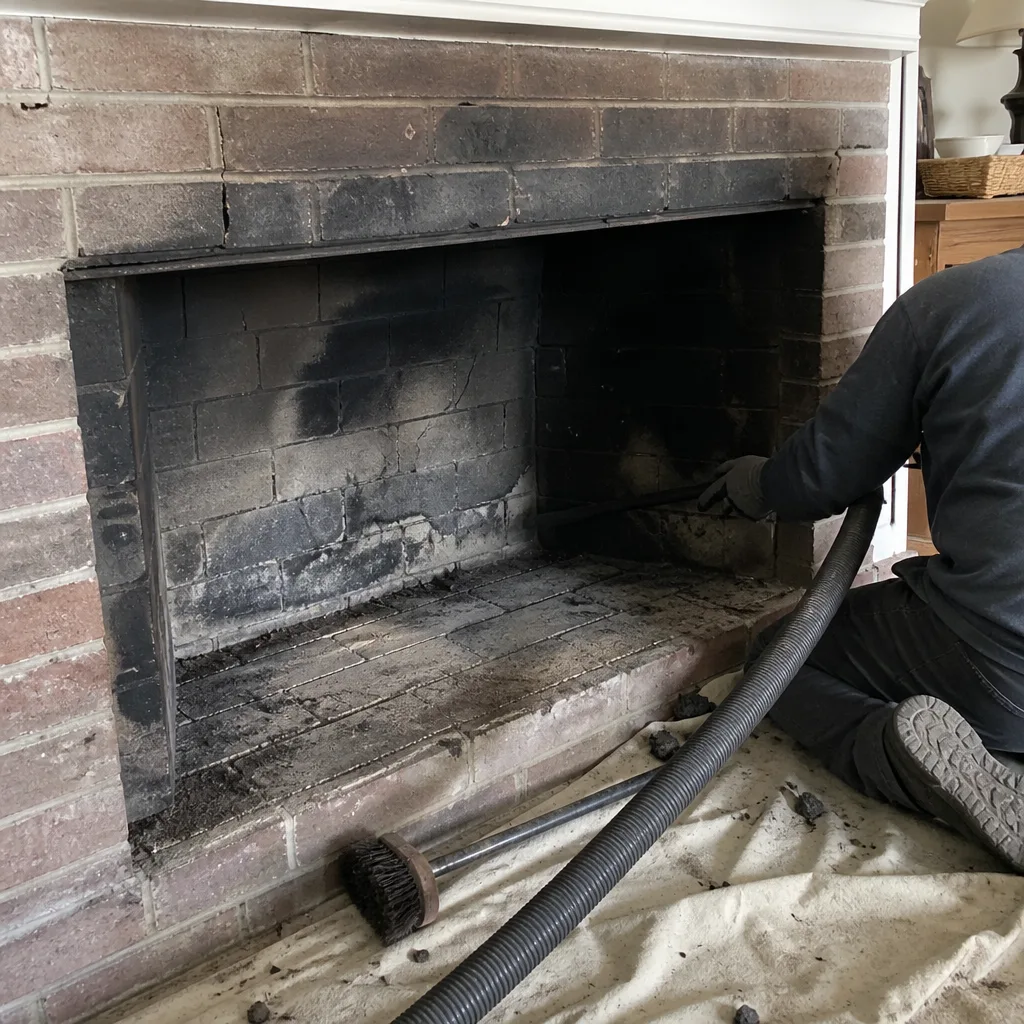 Before
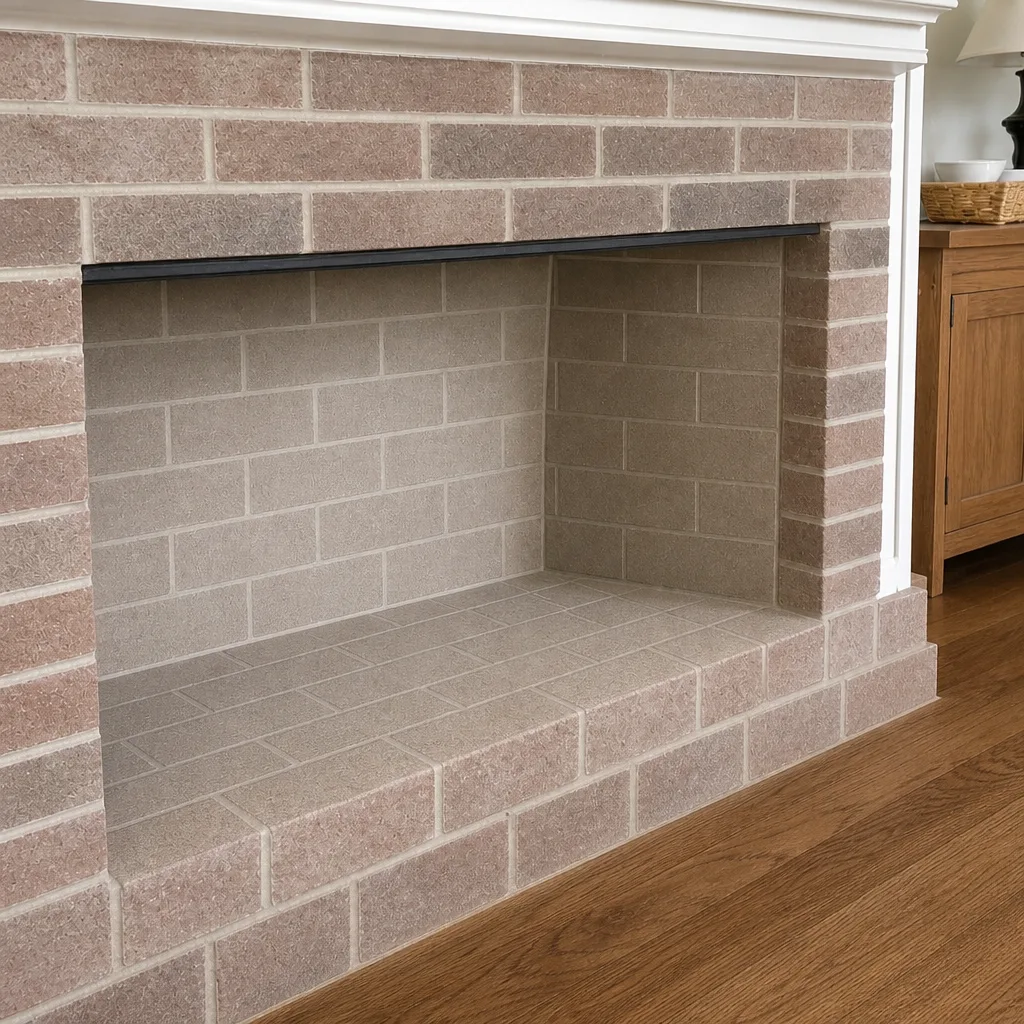 After
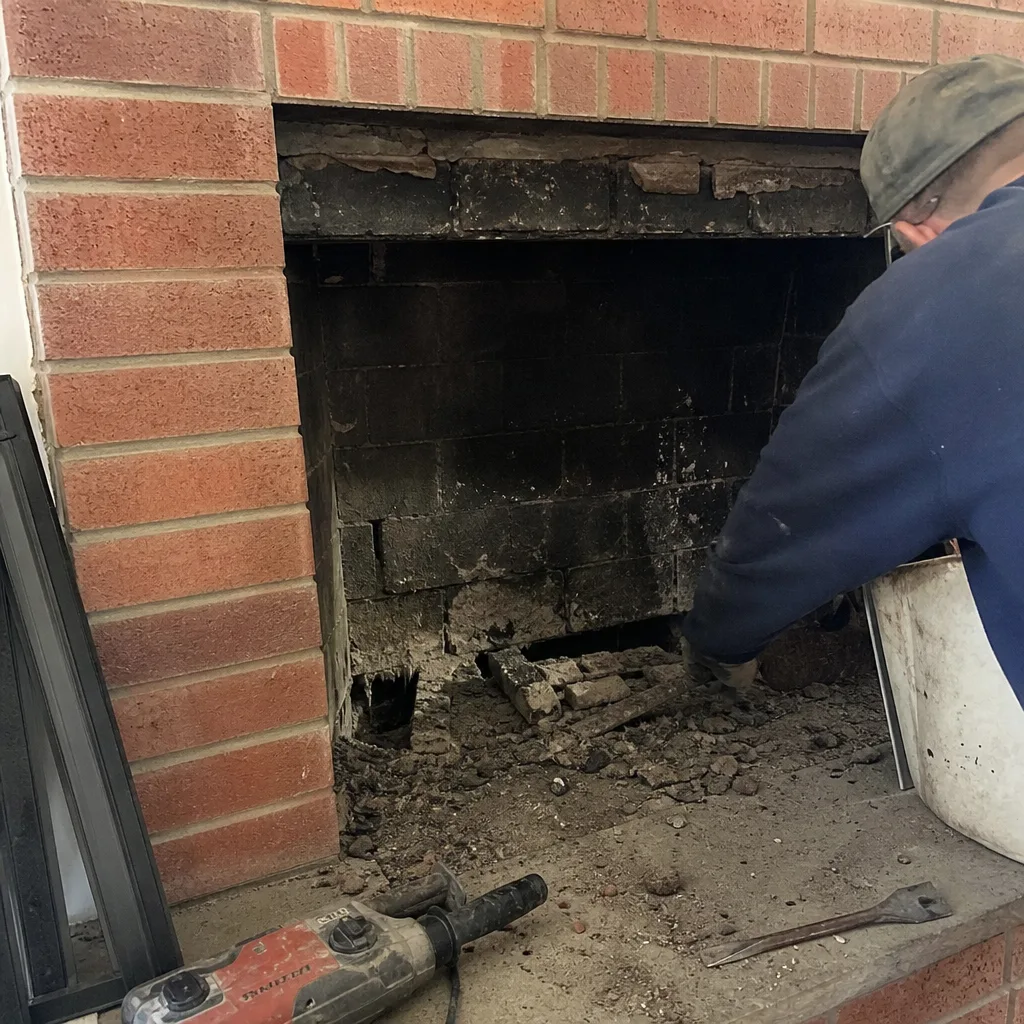 Before
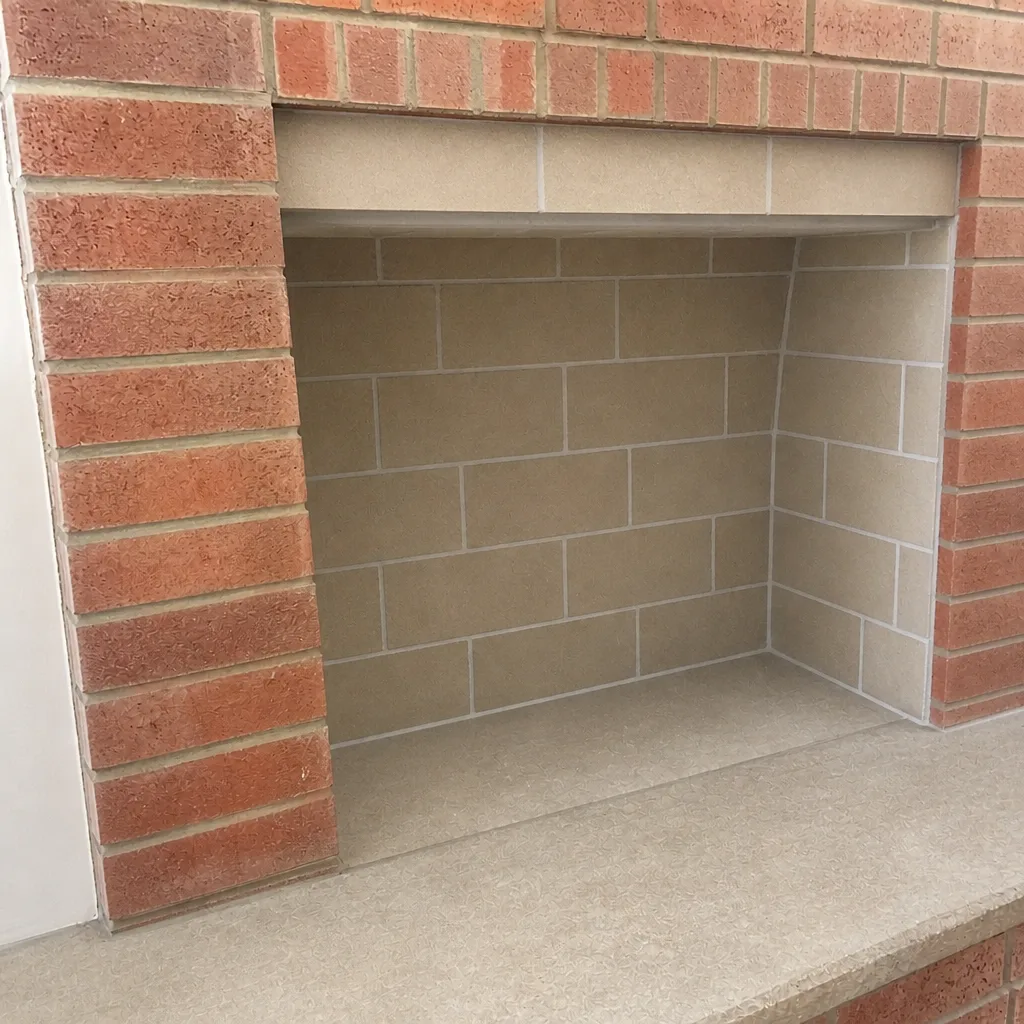 After
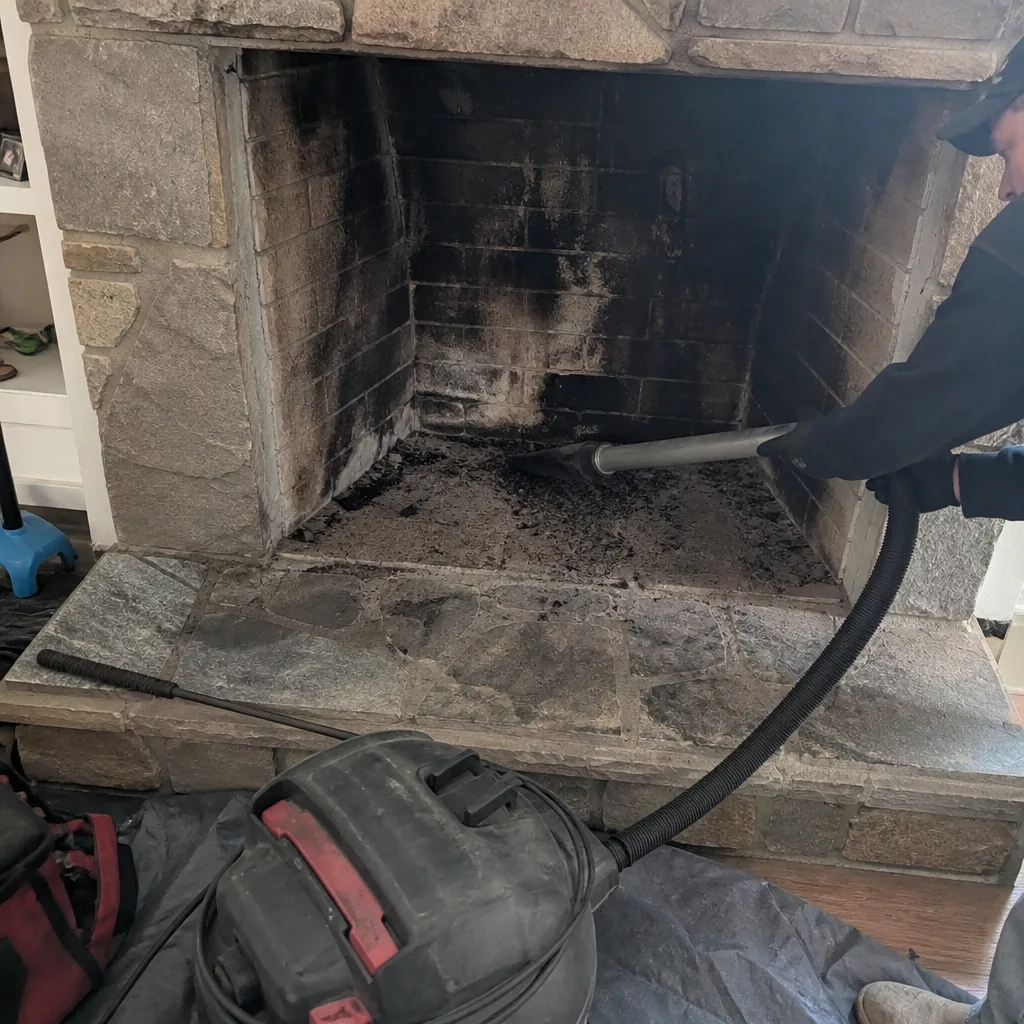 Before
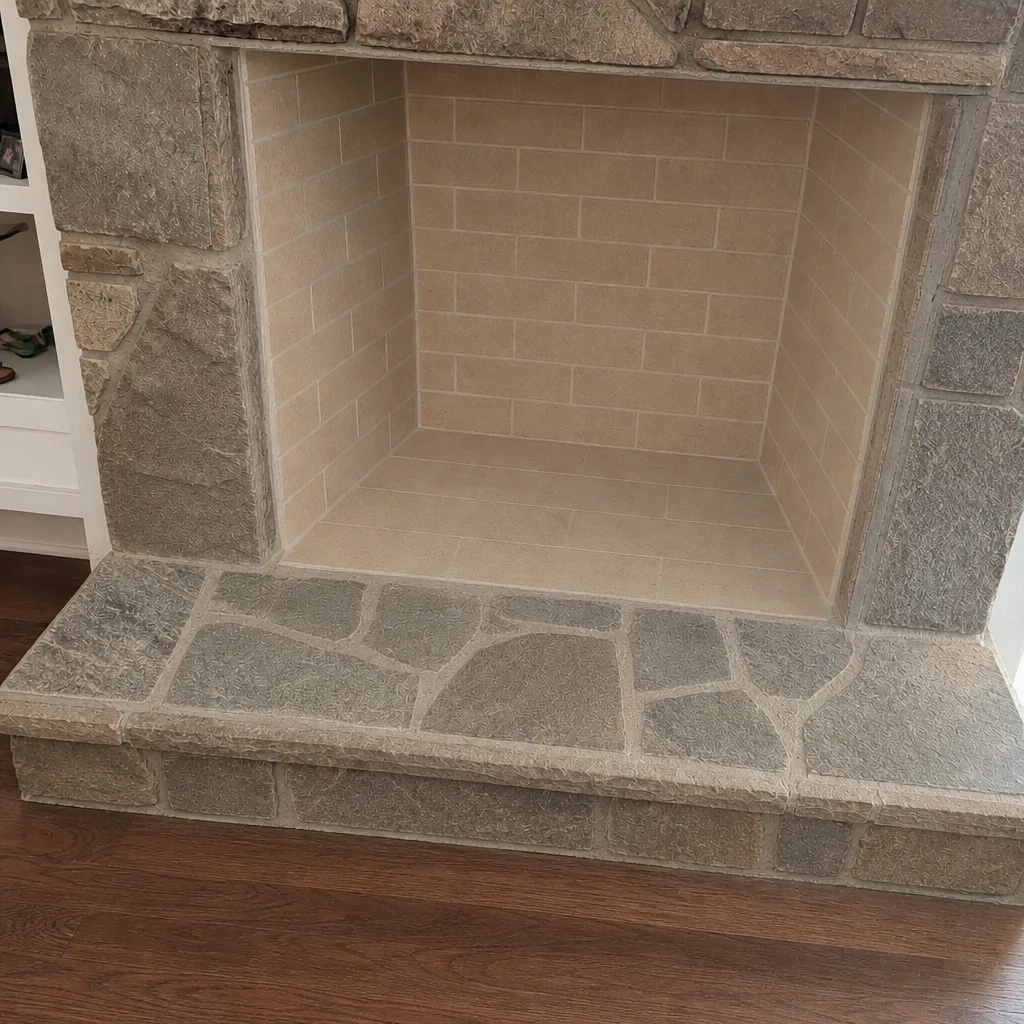 After
When to Call a Professional
Call a professional if any of these describe your chimney: multi-story height, an offset flue, a gas insert or wood stove, any glazed or gummy creosote, visible cracks in the firebox or smoke chamber, water stains, a damper that’s hard to move, a crown that’s spalling, a liner you can’t verify, or a burning history that includes any roaring or popping sounds. Add “never professionally inspected” and “we’ve been meaning to” to the list – those are just as urgent. Goodwin Chimney Sweep offers free estimates in Murfreesboro – call (844) 372-0461. We answer 24/7 and fast dispatch runs from 7am to 7pm, Sunday through Friday. Our sweeps come with camera inspection and a photo report included, so you see what we find before you agree to anything.
Frequently Asked Questions
Yes, for a narrow case: a straight, single-story flue with Stage 1 creosote and no reported issues, using correctly sized equipment. Anything else – offset flue, two stories, glazed creosote, gas insert, or any structural sign – is a professional job. Call (844) 372-0461 for an exact quote – estimates are free.
Sweep pricing is set per job by a written estimate, so the total depends on flue configuration, liner type, and how much deposit is present. What you can count on is a flat-price sweep agreed before booking, with inspection and a photo report included rather than added as extras. Call (844) 372-0461 for an exact quote – estimates are free.
Most wood-burning chimneys should be swept once a year, or more often if you burn heavily or burn unseasoned wood. The check isn’t just about cleaning – it’s the inspection that tells you whether the liner, smoke chamber, and crown are still sound. If it’s been more than a season, call (844) 372-0461 – estimates are free.
Creosote accumulates, and at Stage 2 and Stage 3 it becomes the fuel for a chimney fire – not a hypothetical risk, just a predictable one. Skipped lifetime also means a liner crack or crown failure goes unnoticed, and a minor repair becomes a full liner replacement. Call (844) 372-0461 for an exact quote – estimates are free.
A new liner is needed when the existing one has failed – cracks, gaps at the joints, or damage that can’t be recovered. A scored but intact liner can often be resurfaced with HeatShield instead of replaced, which is a repair path most sweep-only shops can’t offer. You see the camera evidence before agreeing to either. Call (844) 372-0461 – estimates are free.
No. Offset flues and two-story stacks are outside what a homeowner kit can reach safely and cleanly. Flexible rods can snag, rigid brushes can bend at the offset, and getting to the top of a two-story stack on a ladder is its own risk. This is a professional sweep without exception. Call (844) 372-0461 – estimates are free.
The Bottom Line
DIY chimney cleaning is a real option, but only inside a narrow window: Stage 1 creosote on a straight, single-story, healthy flue with no performance issues and a recent inspection on record. Outside that window, the brush kit isn’t a shortcut – it’s a way to feel like you’ve handled something you haven’t actually checked. The cost of DIY against a professional sweep in Murfreesboro is closer than it looks once you factor in equipment, cleanup, and the inspection you don’t get. And the value of a professional visit is the information, not just the cleaning: camera evidence of what’s in your flue, a photo report you keep, and repairs done by the same company that did the sweep, using DuraFlex, HeatShield, Copperfield, and Famco materials meant for the trade. Call (844) 372-0461 for a free estimate. We answer 24/7. Fast dispatch from 7am to 7pm, Sunday through Friday.
Written by the team at Goodwin Chimney Sweep.