
Last updated November 15, 2026
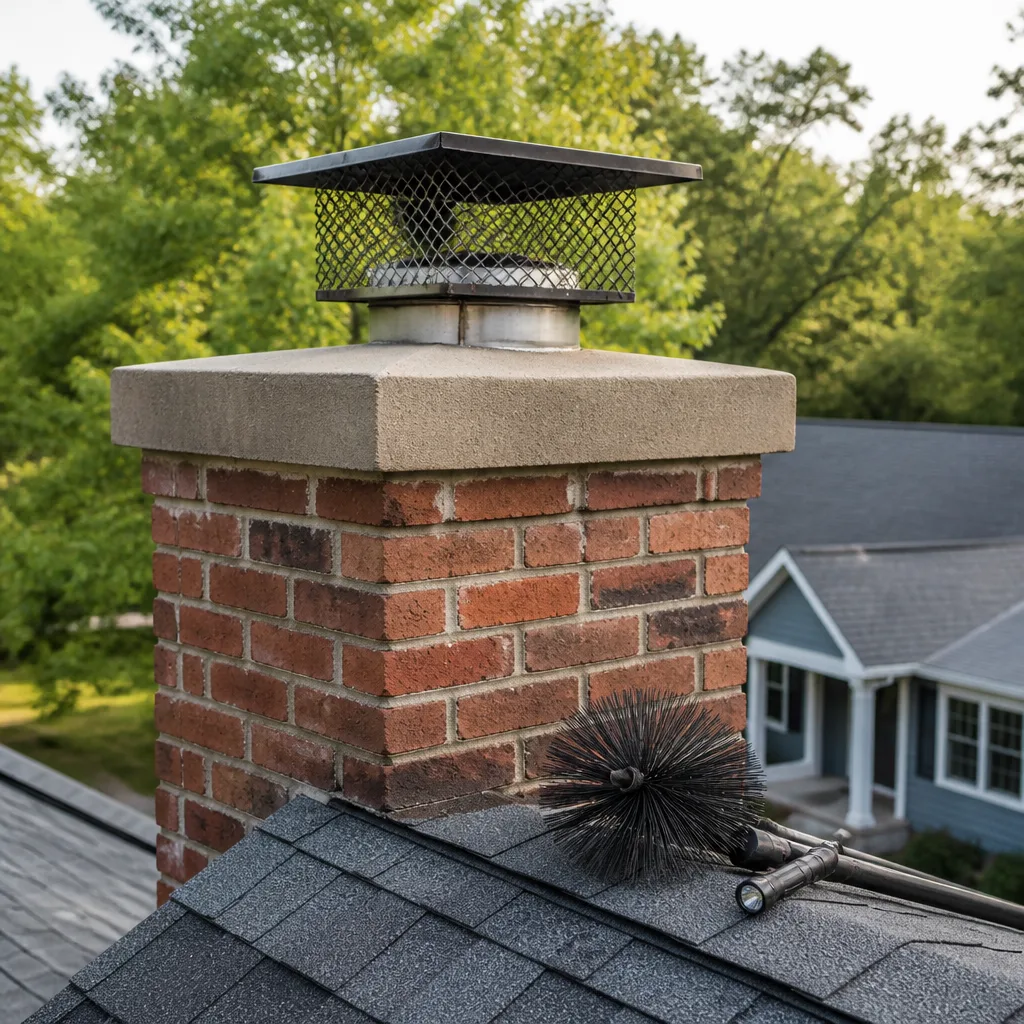 Sweep & inspection
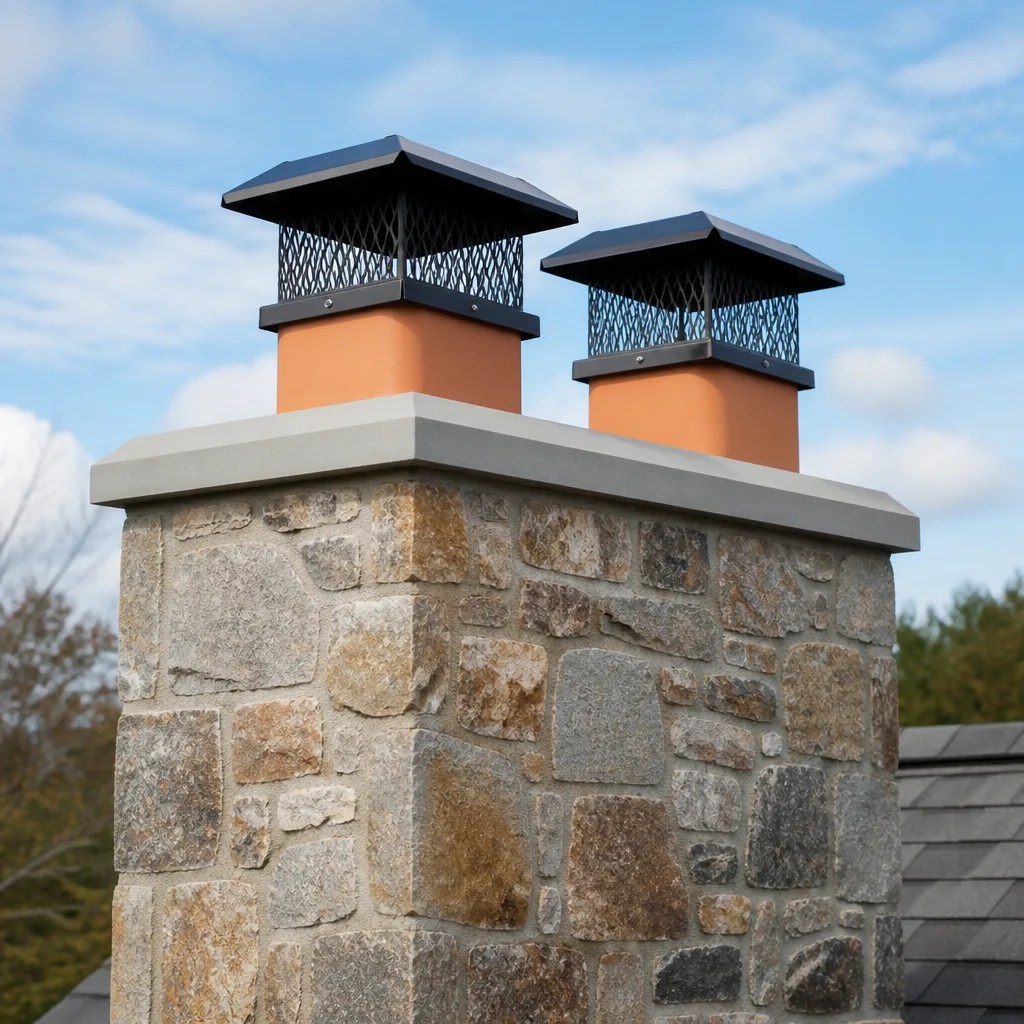 Caps & crowns
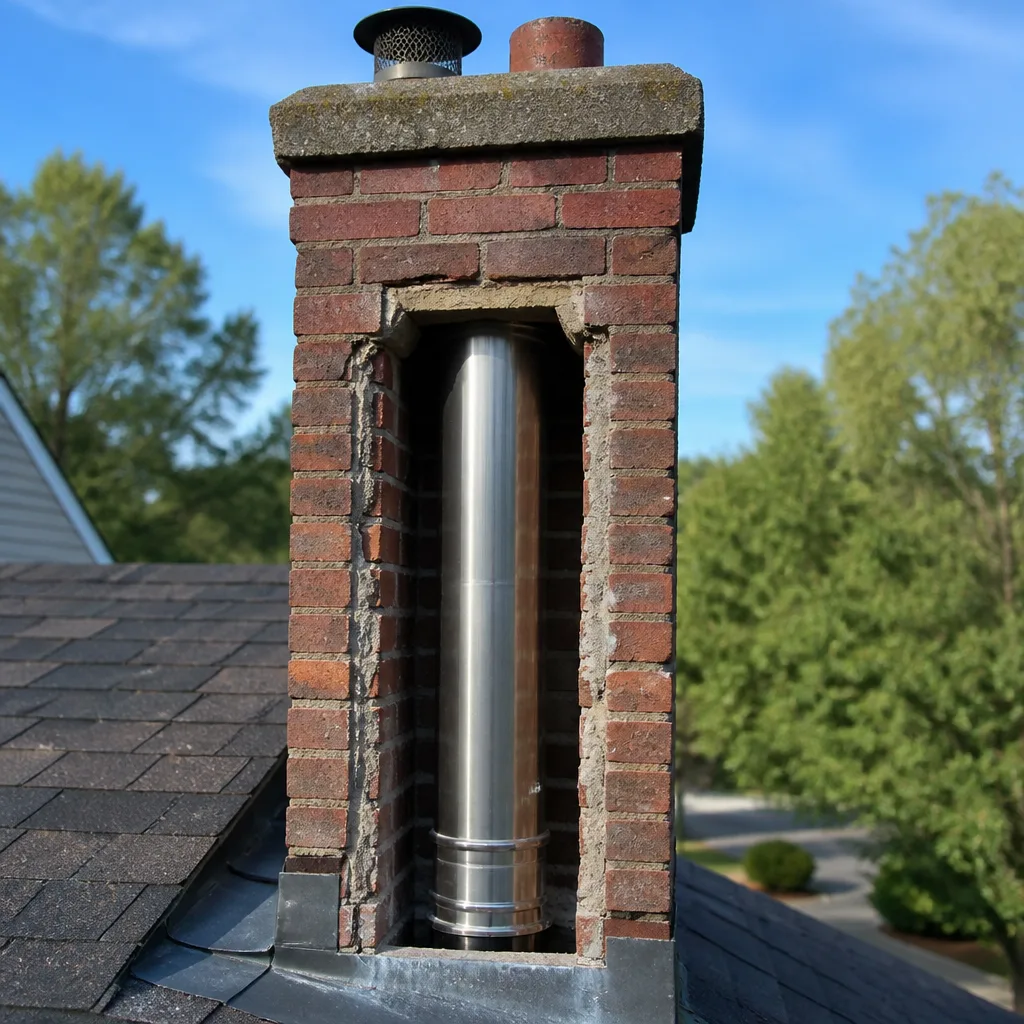 Flue relining
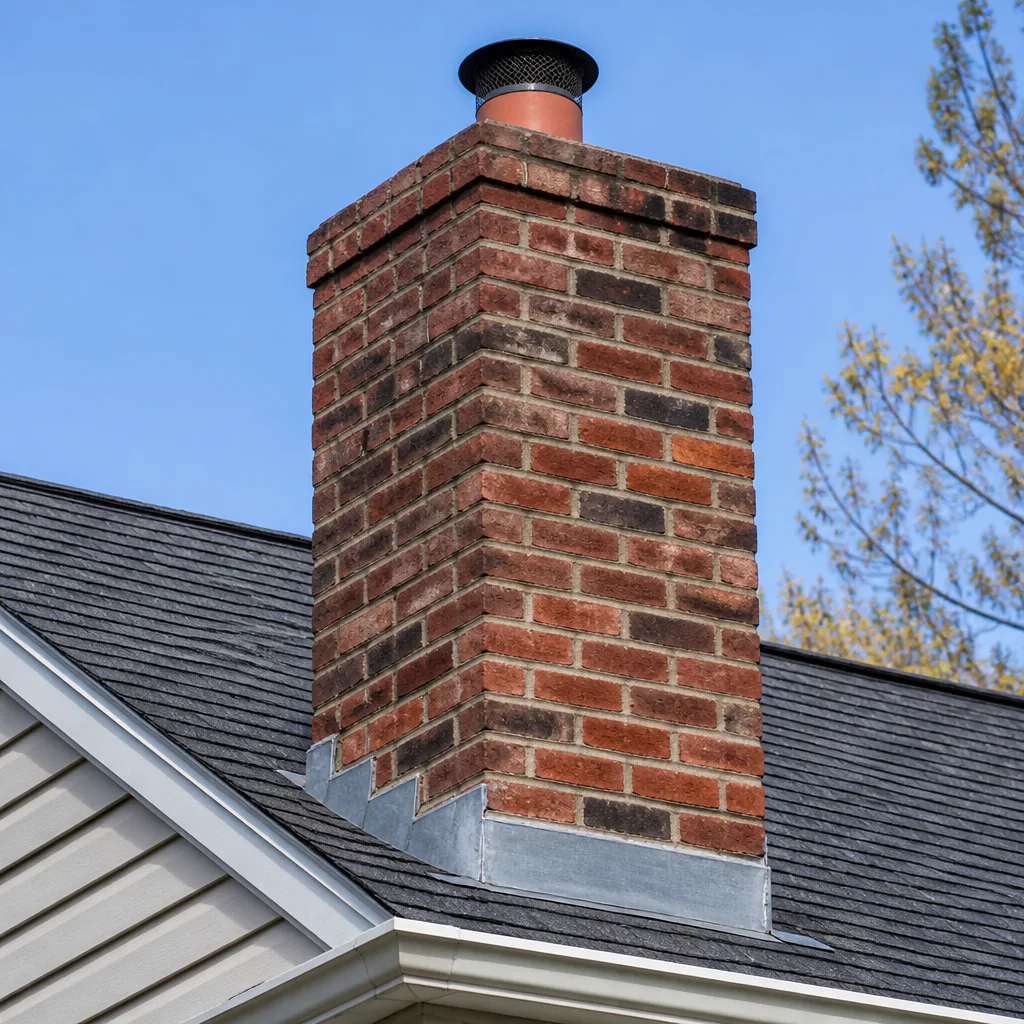 Masonry repair
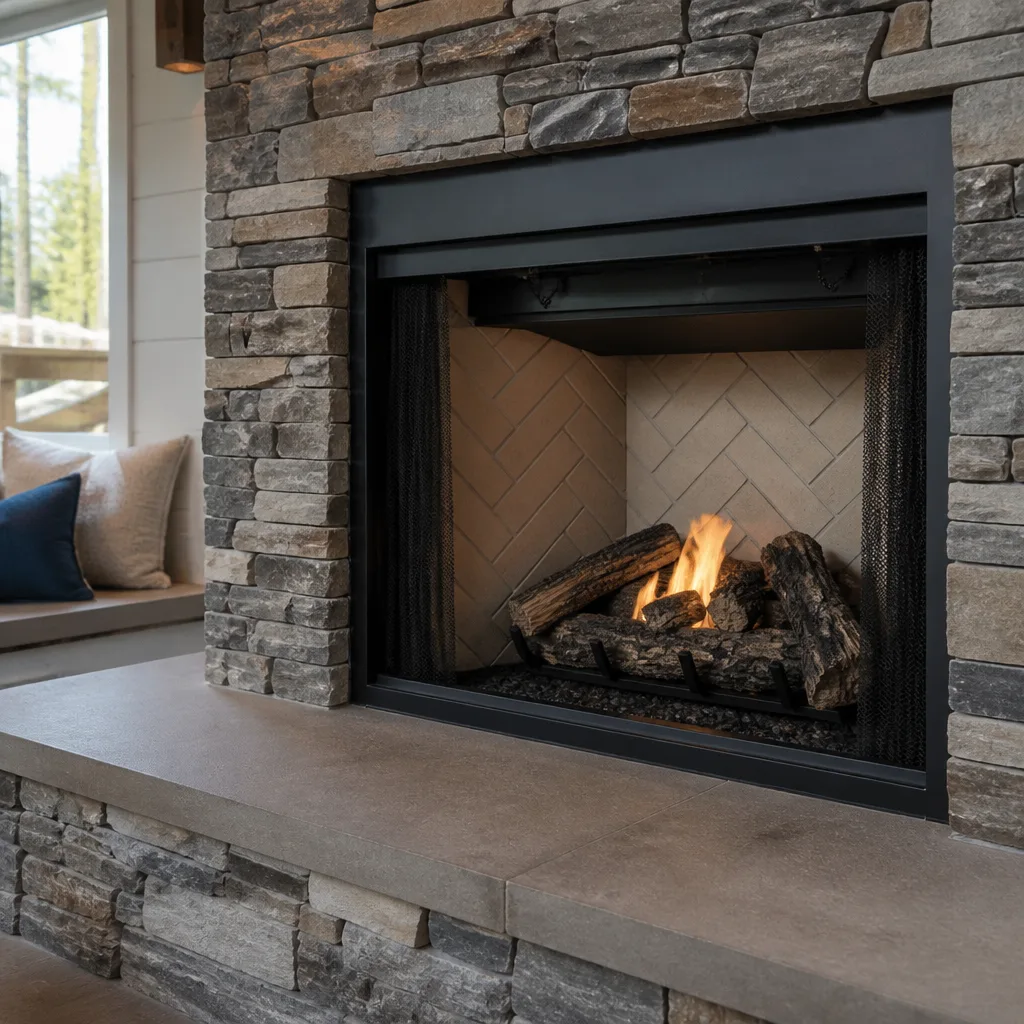 Gas fireplace service
Level 1 sweep and inspection to the NFPA 211 annual standard - flue, crown, cap, and flashing checked and photographed
Chimney sweep logs do not sweep chimneys. They loosen some creosote - which then falls where a brush and vacuum still have to collect it.
Chimney Cleaning Permits, Codes & Inspections in Murfreesboro, TN: What You Need to Know
Most homeowners assume that anything a chimney sweep does in their living room happens outside the reach of the building department. That’s half true, and the half that isn’t true is where people get hurt. Cleaning a flue in Tennessee is maintenance, and nobody needs a permit to run a brush through a chimney. But cleaning is also the moment when a technician finds the cracked crown, the failed liner, or the gap behind the cap – and the repair that follows usually does need a permit. In Murfreesboro, that gap between “no permit to sweep” and “permit required to fix” is where insurance claims and home sales go sideways. This guide walks through the codes, the inspection levels, and the paperwork trail in plain language.
Quick Answer
Chimney sweeping itself does not require a permit in Murfreesboro or anywhere in Tennessee. Structural and mechanical chimney work – liner replacement, crown rebuilds, cap installation, masonry repair above a certain scope – typically does require a permit from the local building department, and under Tennessee contractor rules the licensed contractor pulling that permit is responsible for securing it, not the homeowner. A Level 2 inspection is the documented assessment that supports both the permit application and any later insurance or real-estate claim.
Styles & brands we work with
- Sweep & inspection
- Caps & crowns
- Flue relining
- Masonry repair
- Gas fireplace service
Table of Contents
- Where the Permit Line Falls in Tennessee and Rutherford County
- Which Chimney Repairs Commonly Require a Permit
- Who Pulls the Permit: Contractor or Homeowner
- NFPA 211 in Plain Language
- How Permit Records Protect You at Sale and Claim Time
- What a Level 2 Inspection Is and When It’s Required
- Murfreesboro Context: Climate, Housing Stock, and Chimney Wear
- Common Mistakes to Avoid
- When to Call a Professional
- Frequently Asked Questions
Where the Permit Line Falls in Tennessee and Rutherford County
The line is easier to picture if you split chimney work into two buckets: work that removes something from the flue, and work that changes the flue or the structure around it. Sweeping removes. Liner work, crown work, and masonry repair change. Tennessee’s statewide building code adopts the International Residential Code, and Rutherford County and the City of Murfreesboro each administer their own permitting through their respective building departments. Both follow the same basic logic: alterations to a chimney’s structural or venting components are permitted work, routine maintenance is not.
Here’s what that looks like in practice.
- No permit normally required: sweeping, a Level 1 or Level 2 inspection, cap or top-seal replacement when it’s a direct swap on an existing chase, minor mortar repointing on a few joints at the crown level.
- Permit normally required: relining a flue (flexible or rigid), rebuilding a chimney crown, removing or adding a chimney above the roofline, installing a new wood stove or insert and its venting, converting a fireplace to gas, repairing cracked masonry in the smoke chamber, installing a chase cover where none existed.
- Call the building department to confirm: anything that changes the chimney’s footprint, height, or venting configuration, and anything tied to an appliance swap.
We tell Murfreesboro homeowners to treat that third bucket as a phone call, not a guess. Building departments vary on how they classify small jobs, and a two-minute call settles it. What you don’t want is a contractor who waves off permits entirely because “it’s just a liner.” A liner is a venting system. It’s exactly the kind of change the code cares about.
Which Chimney Repairs Commonly Require a Permit
When our chimney repair work moves from maintenance into construction, the permit question comes up fast. In our experience, the jobs below are the ones that most often need one in Murfreesboro. Your building department makes the final call, but this list is a fair starting point.
- Liner replacement. Relining a flue with a flexible stainless liner – the kind we install using DuraFlex or Olympia Chimney components – is a venting-system alteration. It changes the flue’s geometry and its listed UL rating. Permitted.
- Crown rebuild or replacement. The crown is structural concrete or masonry at the top of the chimney. Removing and replacing it is a construction activity.
- Chase cover installation. Adding a metal cover to a prefab chase where none existed changes the top of the system. Often permitted.
- Wood stove or insert installation. Any new appliance connection, plus its flue, needs a permit and typically a final inspection.
- Smoke chamber repair. Parging a deteriorated smoke chamber – whether with HeatShield resurfacing or traditional mortar – is repair work inside the flue.
- Masonry repair above the roofline. Rebuilding chimney courses, repointing large sections, or addressing spalling brick on the exterior.
What does not need a permit is the work that brings the chimney back to safe operating condition without changing the system: a sweep, a camera inspection, a chimney cap swap, a top-seal application, a damper adjustment. If a contractor tells you a new liner needs no permit at all because “we’re just replacing what was there,” that’s the moment to ask a second question. Replacing a listed component is still permitted work in almost every jurisdiction we’ve dealt with.
Who Pulls the Permit: Contractor or Homeowner
This is the section most homeowners are surprised by. In Tennessee, the licensed contractor performing permitted work is the party responsible for pulling the permit and calling for inspections. Not the homeowner. The permit belongs to the job, and the job belongs to the contractor. When a homeowner pulls their own permit for chimney work, they take on the inspection schedule, the code compliance, and the liability – and most insurers and title companies assume a licensed trade did the work.
What this means for you:
- Ask, before work begins, “Who is pulling the permit, and can I see the permit number?” A contractor who can answer clearly is a contractor who works inside the system.
- Expect the permit to be posted or visible during the job. It should name the contractor, not you.
- Expect a final inspection. Some jurisdictions require the inspector to view the job before the liner is closed off, and some allow a final walk-through after. Ask which applies to your job.
- Get the approved permit or inspection record in writing when the work finishes. You’ll want it later.
When you work with Goodwin Chimney Sweep, the permit question gets answered in the estimate conversation, before anyone books a date. We tell you which items need one, which don’t, and what the inspection sequence looks like. If a repair can safely wait, we say so. If it can’t, we’re the ones in the permit queue.
NFPA 211 in Plain Language
NFPA 211 is the national standard that governs chimneys, fireplaces, vents, and solid-fuel appliances. Tennessee’s building code adopts it by reference, which means the standard’s rules carry legal weight in Murfreesboro even though it’s a private, non-profit publishing body. Reading the standard itself is dense. Here’s what it actually requires in plain language.
- Chimneys must be inspected before use. When a chimney is new, when it’s been unused, when a change has been made to the appliance, or after a chimney fire or seismic event, it gets inspected.
- Inspection happens in three defined levels. Level 1 is a visual check of accessible parts. Level 2 adds a camera or video scan of the flue interior and access to concealed areas. Level 3 is destructive investigation. More on that below.
- Creosote buildup has a threshold. The standard defines the amount of creosote at which a chimney must be swept – it’s not an aesthetic call, it’s a safety threshold. (Consensus is roughly a quarter-inch of glazed or hardened creosote, but the exact language in the current edition is worth checking with your inspector.)
- Liner condition is system-critical. A cracked or missing liner is not a “we’ll get to it” issue. It’s the barrier between your flue gases and your framing.
- Clearances from combustibles are specified. The 1-inch, 2-inch and 3-inch clearances you’ll hear technicians mention all come from this standard and the corresponding IRC language.
The practical takeaway: when a contractor tells you “NFPA says you need a new liner,” ask which level of inspection produced that conclusion and whether you can see the photos. The standard supports the finding – but only if the finding is documented. “We show you what we find” is the standard we hold ourselves to, and it’s what the code intends.
How Permit Records Protect You at Sale and Claim Time
Permits aren’t bureaucracy. They’re a paper trail. When a chimney liner is replaced with a permitted job, the local building department keeps a record. That record does three jobs you can’t do for yourself.
- It supports an insurance claim. Many homeowner policies include a clause that requires permitted work for structural and mechanical alterations. If a chimney fire damages the structure and the insurer discovers the liner was replaced without a permit, the claim can be reduced or denied – not because the work was bad, but because the record is missing.
- It passes a title search. During a home sale, buyers’ agents and title companies request permit history. A chimney repair listed in a disclosure but absent from the permit record raises questions. Sometimes it delays closing. Sometimes it costs the seller a concession at the table.
- It documents the standard the work met. A permit and inspection record establish that the liner was installed and inspected to code. Without it, an unpermitted liner is functionally unverified, which is exactly the position a buyer’s inspector will point out.
In our experience working on Murfreesboro homes, the mismatch between what a homeowner remembers being done and what the permit record shows is one of the most common reasons a closing stalls. The good news: the fix is small if the work was done by a licensed contractor – request the records from the building department, and if they’re missing, have a current inspection performed so the system’s condition is documented in writing. The chimney sweep visit is a natural moment to get that done.
What a Level 2 Inspection Is and When It’s Required
A Level 2 inspection is the documented, camera-based assessment of a chimney’s full interior – the flue, the liner, the smoke chamber, the damper, and any concealed portions. It goes beyond a Level 1 visual check because it uses video and, where needed, access to concealed areas. In plain terms: a Level 1 tells you what your sweep can see from the firebox and the roof. A Level 2 tells you what’s inside the flue.
NFPA 211 requires a Level 2 inspection in specific situations:
- When a home with a chimney is being sold or transferred (real estate transaction)
- After a chimney fire, earthquake, or other event likely to cause internal damage
- When an appliance is changed – a wood stove swaps out, a gas insert goes in, or a different fuel type is connected
- When a Level 1 inspection turns up a problem the sweep can’t fully see
- When the chimney has been in a prolonged unused state and is being put back into service
Who can perform one? In Tennessee, the technician performing a Level 2 inspection should be trained to NFPA 211 standards and able to produce a written report with photos or video. There’s no separate “Level 2 license” in Tennessee – the credential lives with the individual and the company. Ask for the report format before you book. If a sweep can’t put what they saw into a photo or video report you can review, you’re getting a verbal opinion, not an inspection.
This matters most during a Murfreesboro home sale. Buyers’ inspectors and their insurers increasingly request a Level 2 before closing. A current Level 2 report – dated, photographed, and signed by the technician – is what makes that request a non-event.
Murfreesboro Context: Climate, Housing Stock, and Chimney Wear
Chimney wear in Murfreesboro follows the local pattern. The climate is humid for most of the year, with a wet winter and a summer that swings the chimney through wide temperature cycles. That cycle is what does damage. Masonry absorbs moisture, the freezing nights crack the joints, and the summer heat drives moisture out through the same cracks. Over a few seasons, the crown fractures, the mortar joints soften, and the first visible sign is a stain on the ceiling of an upstairs room or a piece of brick on the roof.
Housing stock matters too. Murfreesboro’s neighborhoods span a wide range – older homes near the downtown square with original masonry fireplaces, mid-century subdivisions off Memorial and Thompson Lane with brick chimneys and simple crowns, newer construction out toward Siegel and the Blackman area with prefab metal fireboxes and chase covers, and homes on acreage outside the city limits with wood stoves or freestanding units. Each of those chimney types has its own permit footprint. The 1950s masonry chimney across the square usually needs masonry repairs that would permit; the 2010s prefab unit off Veterans Parkway usually needs a liner or cap replacement – also permitted.
What unites them: the creosote belongs to all of them. Wood smoke leaves deposits regardless of chimney type, and the wet Murfreesboro winters mean that a chimney that sat idle from April to October is exactly the one that should be swept before the first fire of the season. That’s the seasonal urgency in this area – not the day of the first cold snap, but the weeks before it. Booking a sweep and inspection Murfreesboro homeowners call for in the early fall is how the season starts without a scramble.
Common Mistakes to Avoid
- Assuming a sweep and a repair need the same paperwork. They don’t. A sweep needs nothing, a liner replacement needs a permit, and the confusion between the two is what causes problems at sale and claim time.
- Letting the contractor wave off the permit. “It’s a small job, we don’t bother with permits” is a red flag, not a courtesy. The permit protects you, and skipping it makes the work undocumented regardless of how well it was done.
- Pulling the permit yourself. It puts the inspection schedule and the liability on you, and it undermines the record you’ll want later. If the contractor is doing the work, the contractor pulls the permit.
- Accepting a verbal inspection. A Level 2 without photos or video isn’t a Level 2. Ask for the report; if the sweep can’t produce one, that’s not the right company.
- Skipping the inspection because the sweep “looked fine.” A visual check from the firebox doesn’t see inside the flue. The camera does.
- Waiting until the home is on the market to sort the records. A permit record or a dated Level 2 report is much easier to obtain in autumn than in the middle of a closing week.
- Treating Murfreesboro’s wet winters as gentle on the masonry. They’re not. Freeze-thaw cycles are hard on brick and mortar, and the damage compounds quietly until it’s visible.
When to Call a Professional
Call a professional when the question you’re asking is not “when did we last sweep?” but “is the liner sound?” That’s the trigger. Other situations that call for a pro: any chimney fire, even a small one, because the damage often hides in the flue; a change of appliance, such as swapping a gas insert for a wood stove; a home sale, because a Level 2 report is usually requested; visible cracking at the crown, a piece of brick on the roof, or a ceiling stain; and put-back-into-service situations after a stretch of disuse. The safety stakes are real – a compromised liner can let combustion gases into framing, and carbon monoxide has no smell. A trained technician can determine in a couple of hours what a homeowner can’t see at all. Goodwin Chimney Sweep offers free estimates in Murfreesboro – call (844) 372-0461. We answer 24/7. Fast dispatch from 7am to 7pm, Sunday through Friday.
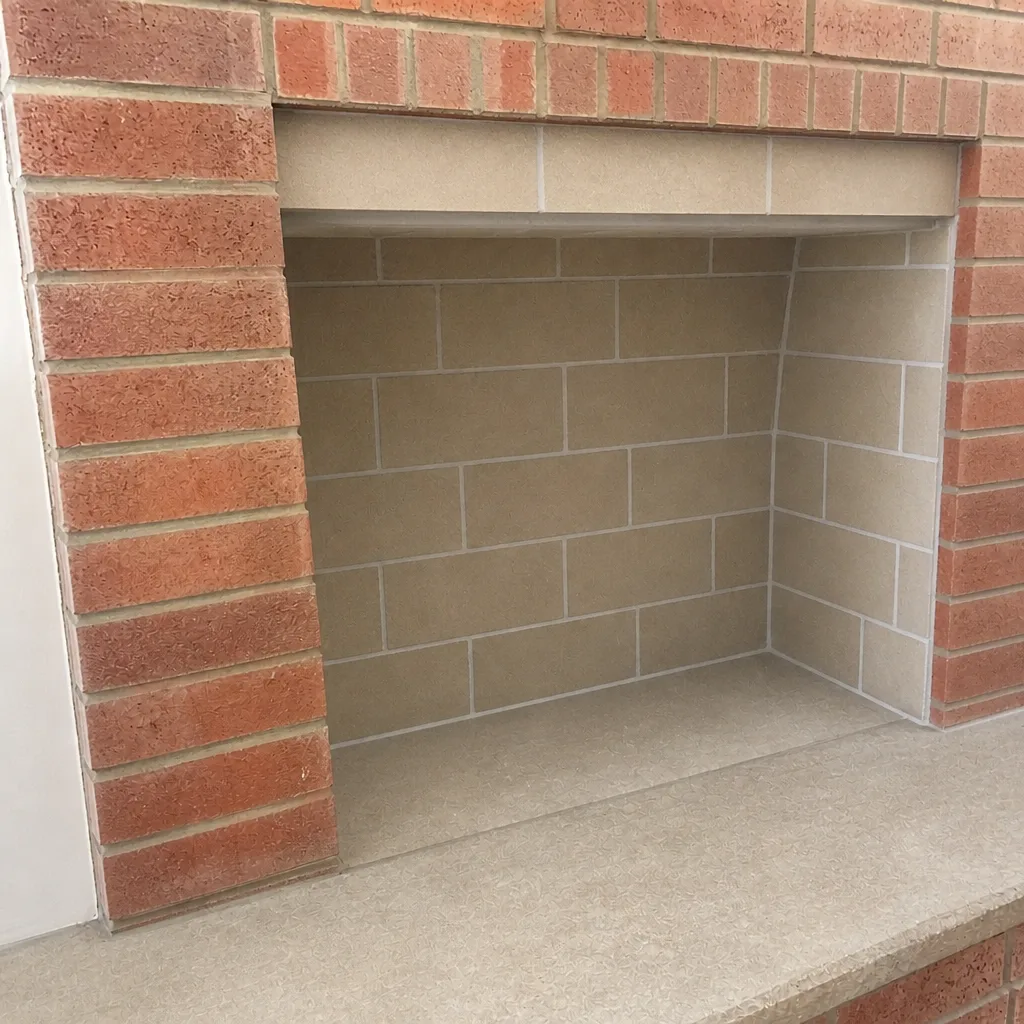
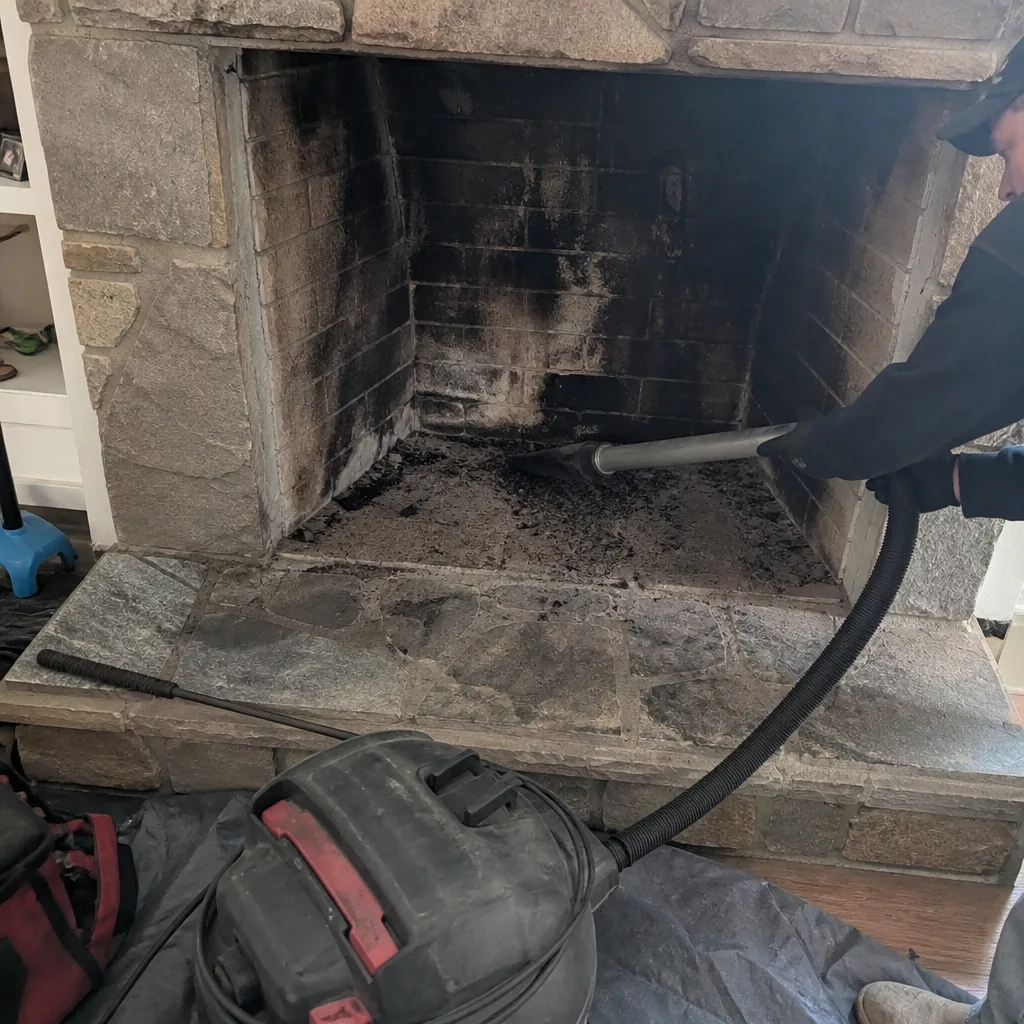
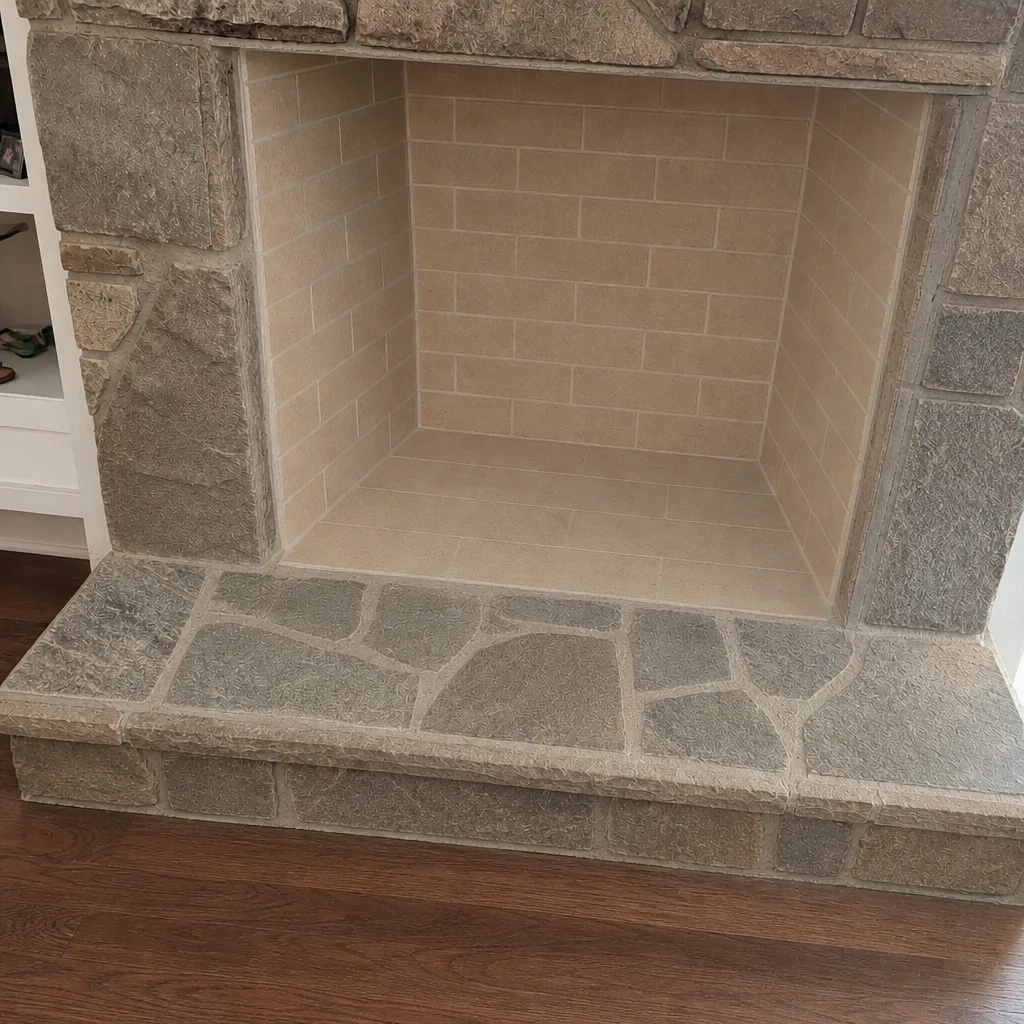
See the difference
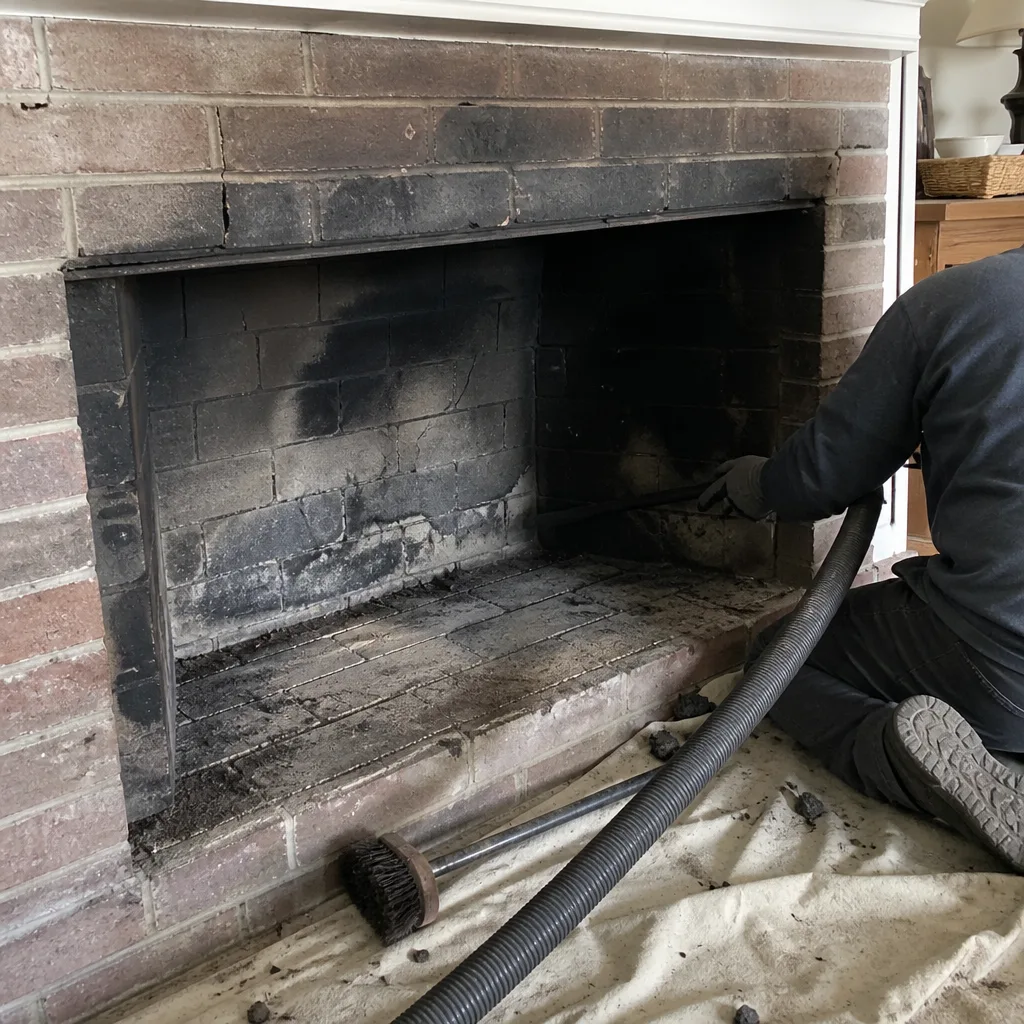 Before
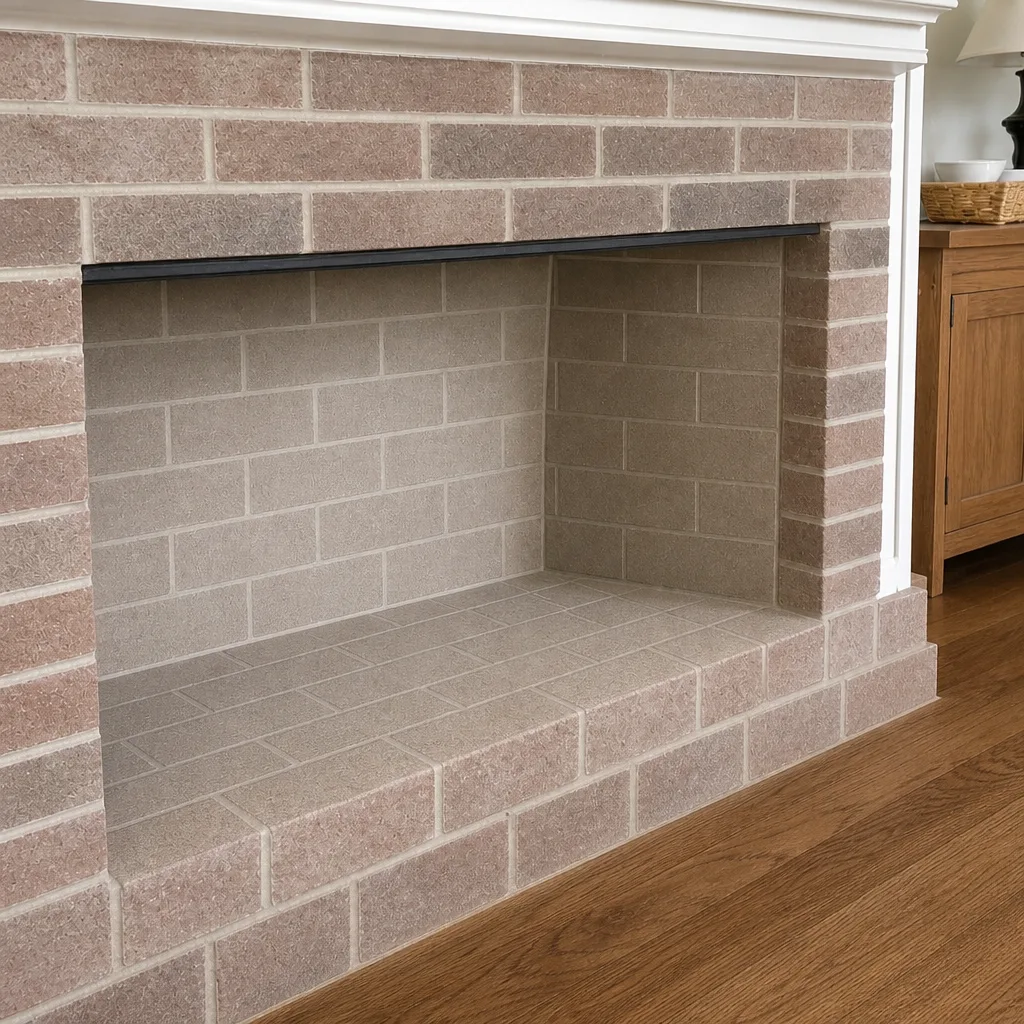 After
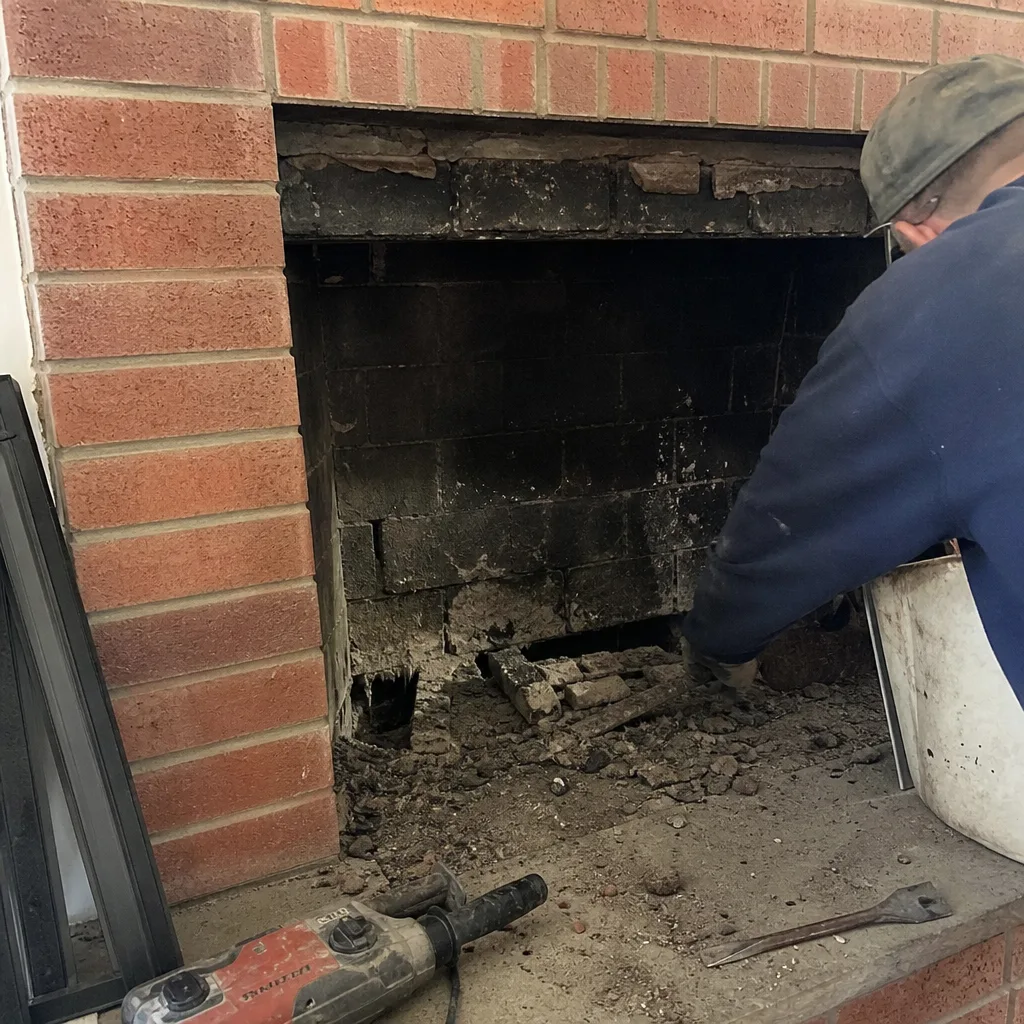 Before
 After
 Before
 After
Frequently Asked Questions
No. Chimney sweeping is routine maintenance in Murfreesboro and does not require a permit. Repairs and installations that change the chimney system – liner replacement, crown rebuild, appliance swap – normally do require a permit, and the licensed contractor pulls it. Call (844) 372-0461 for an exact quote – estimates are free.
Yes, in most jurisdictions. Relining a flue is a venting-system alteration under IRC and NFPA 211 logic, and the local building department almost always wants to see it permitted and inspected. Confirm with the Murfreesboro building department’s permitting office for your specific address, and confirm your contractor is the one in the permit queue. Call (844) 372-0461 for an exact quote – estimates are free.
The contractor. Under Tennessee contractor rules, the licensed contractor doing the permitted work is the party responsible for the permit and the inspections. If a contractor asks you to pull the permit yourself, treat that as a warning sign and get a second opinion. Call (844) 372-0461 for an exact quote – estimates are free.
A Level 2 inspection is a camera-based, documented scan of the flue interior and concealed areas. NFPA 211 requires one when a home is sold, after a chimney fire, when an appliance changes, or when a Level 1 turns up something the sweep can’t fully see. If you’re buying or selling in Murfreesboro, ask for one. Call (844) 372-0461 for an exact quote – estimates are free.
Yes, both. Insurers can question or reduce a claim when structural or venting work was unpermitted, and title companies flag missing permit records during a sale. The work itself may be perfectly good – the problem is the missing paper trail. A current Level 2 inspection and a well-kept permit record close those gaps. Call (844) 372-0461 for an exact quote – estimates are free.
Sometimes a repair can go in the same visit – a cap swap or a minor crown patch, for example. Larger jobs that need a permit, including liner replacement using DuraFlex or Olympia Chimney components, get scheduled as a separate job with the permit in hand. The same company handles sweep, inspection, and repair, so you don’t get handed off to a second contractor. Call (844) 372-0461 for an exact quote – estimates are free.
The Bottom Line
Chimney cleaning doesn’t need a permit in Murfreesboro, but almost everything cleaning uncovers does. That’s not a technicality – it’s the difference between a safety record you can produce and one you can’t. Know the two buckets: sweep and inspect (no permit), repair and install (permit). Expect the contractor to pull the permit and to walk out with a photo-backed Level 2 report when the situation calls for one. Expect cleared jobs, visible evidence, and no guesses about what’s inside the flue. Whether you’re prepping for a home sale, coming off a chimney fire, or just starting the season cold, the paperwork and the sweep belong together. Goodwin Chimney Sweep offers free estimates, and we show you what we find before we recommend a thing. Call (844) 372-0461. We answer 24/7. Fast dispatch from 7am to 7pm, Sunday through Friday.
Written by the team at Goodwin Chimney Sweep.