
Last updated November 15, 2026
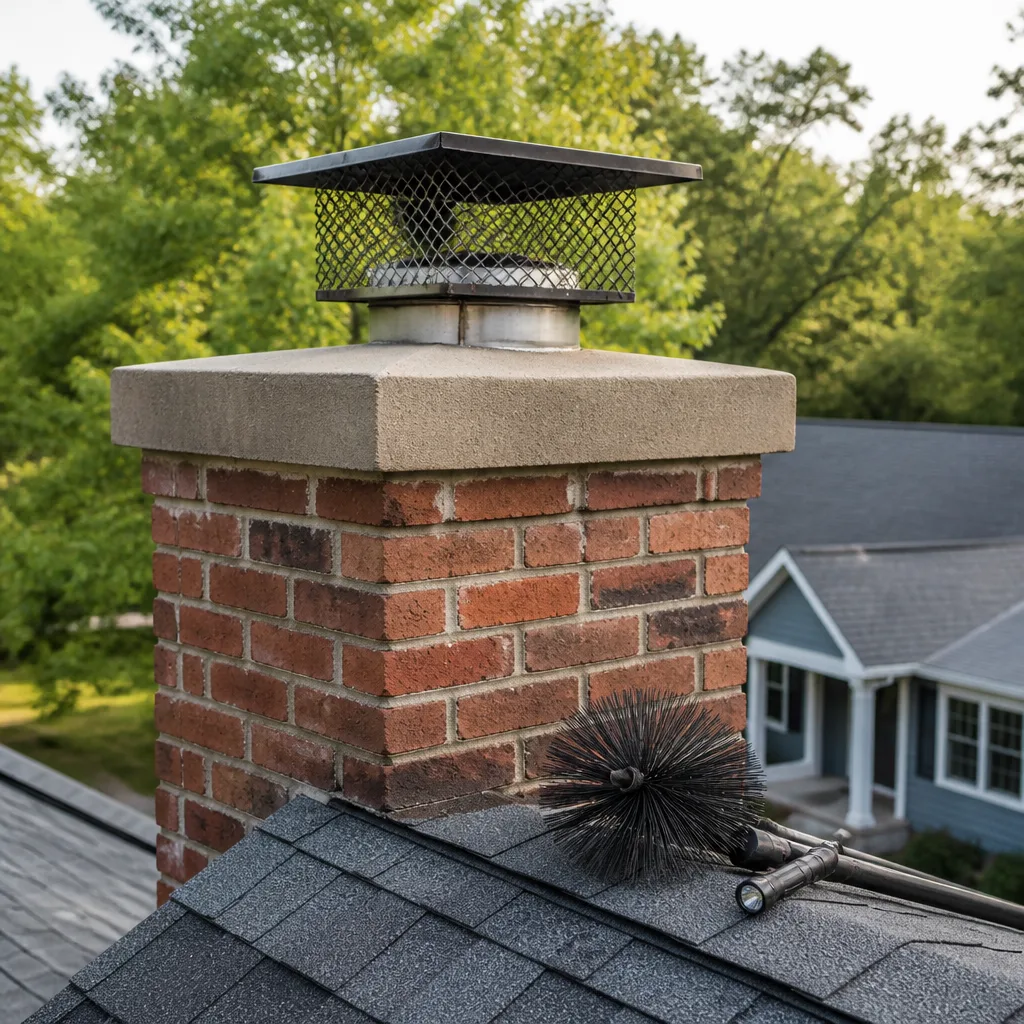 Sweep & inspection
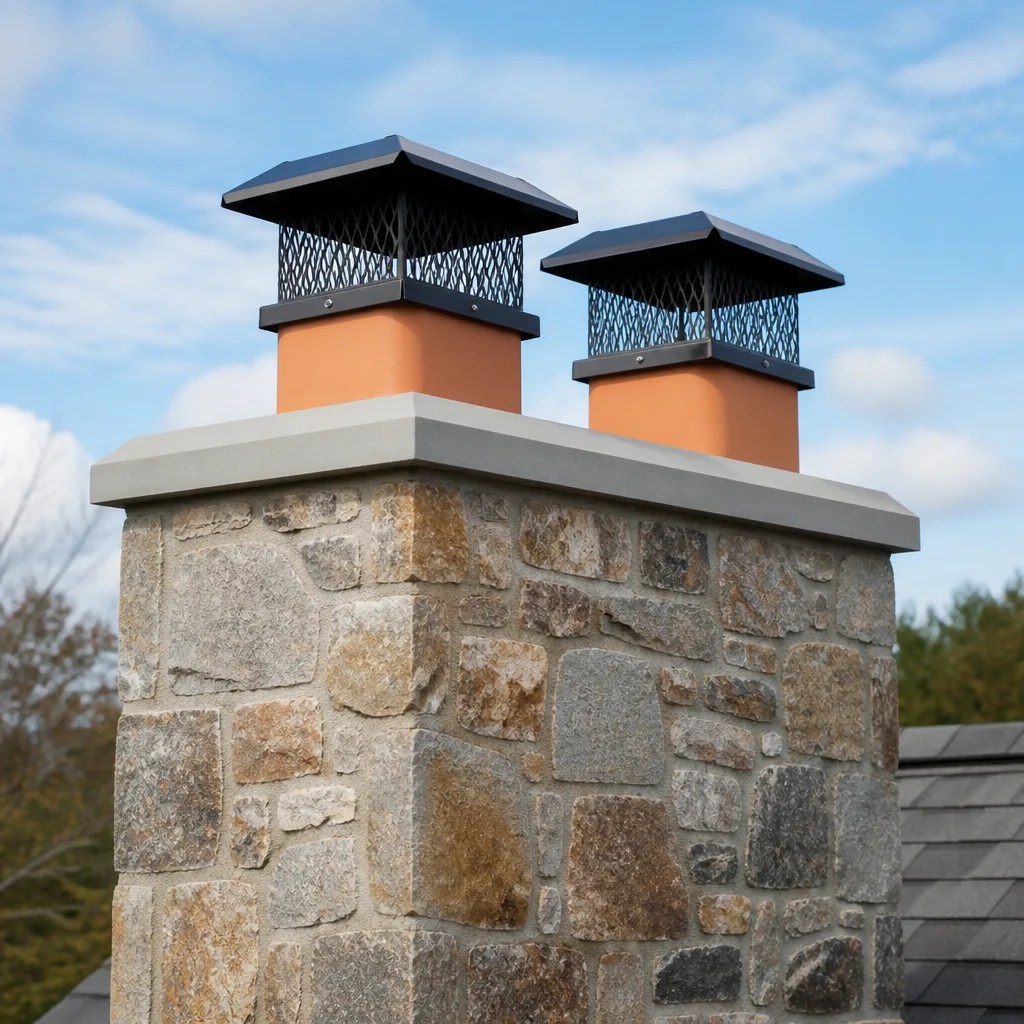 Caps & crowns
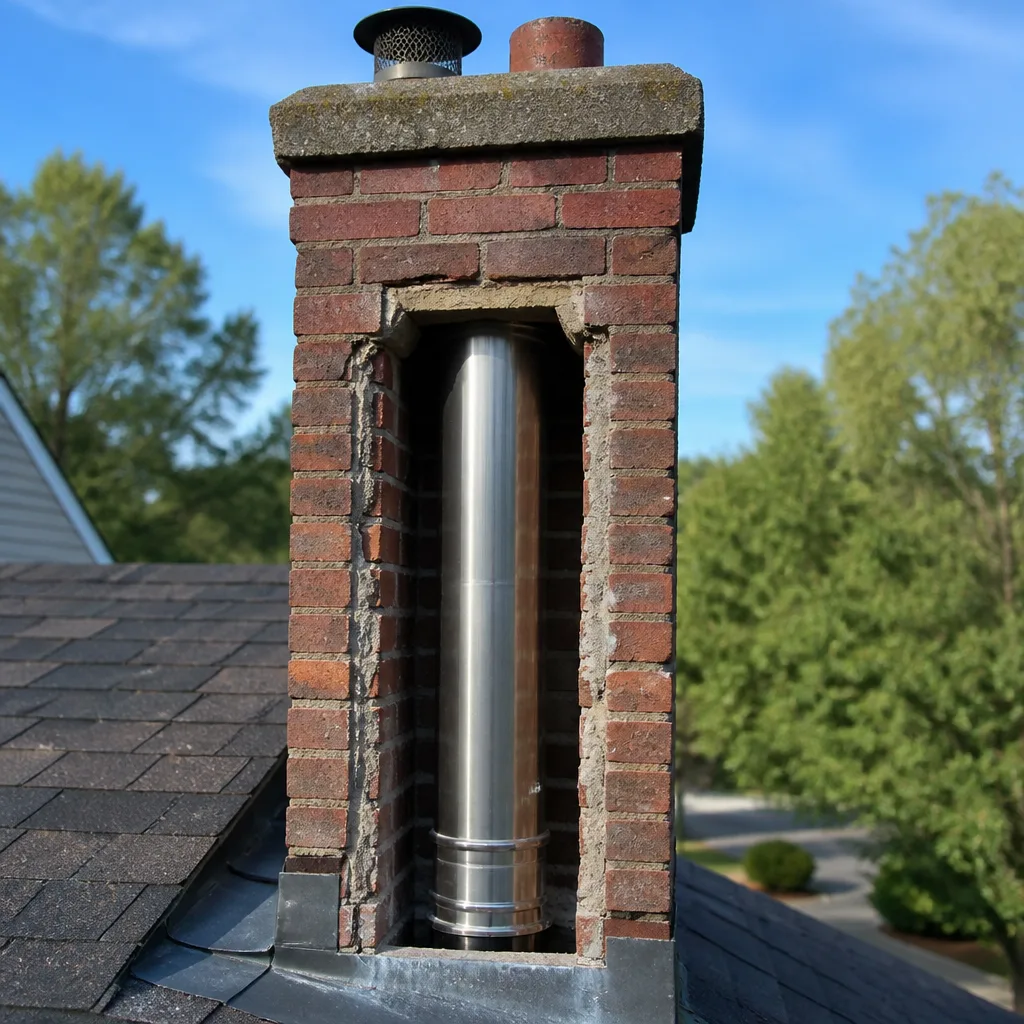 Flue relining
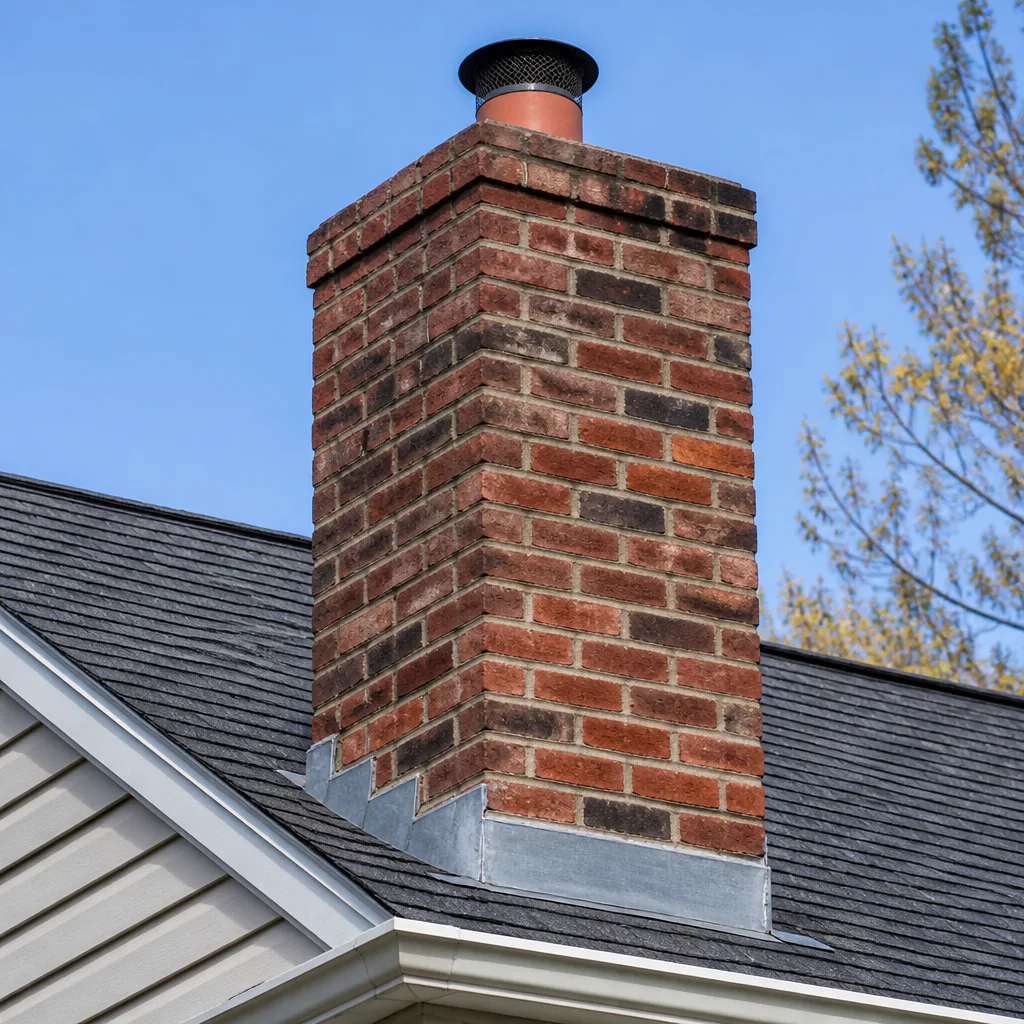 Masonry repair
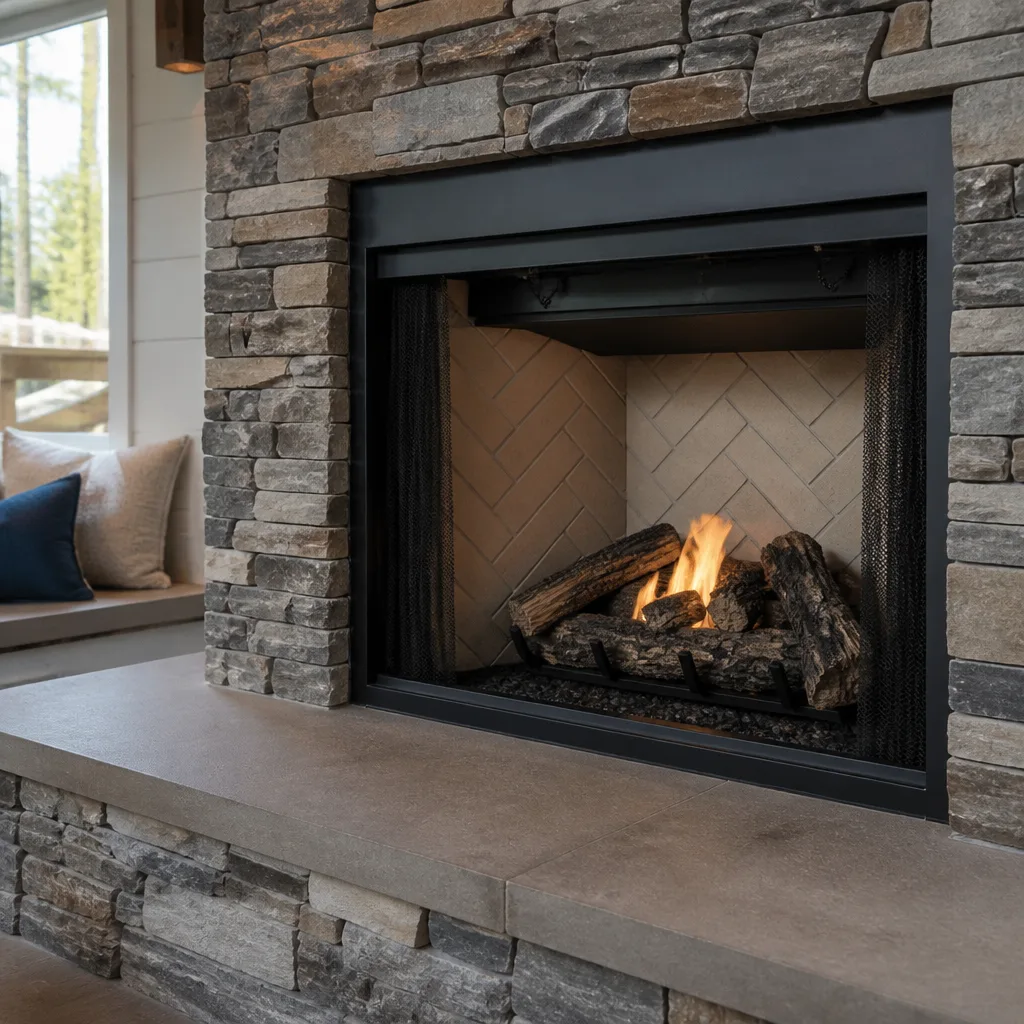 Gas fireplace service
Level 1 sweep and inspection to the NFPA 211 annual standard - flue, crown, cap, and flashing checked and photographed
Chimney sweep logs do not sweep chimneys. They loosen some creosote - which then falls where a brush and vacuum still have to collect it.
Chimney Sweep Maintenance Checklist for Murfreesboro Homeowners
Most chimney checklists tell you to “inspect the flue and clean as needed” and stop there. That advice is technically true and practically useless, because it doesn’t tell you what to look at, when to look, or what a healthy flue even looks like from the outside. Here’s the part that surprises people: during inspections around Murfreesboro, one of the most common finds is a damper that a homeowner believed opened all the way but had warped just enough to strangle airflow, quietly pushing carbon monoxide risk up over a whole heating season. A generic list won’t catch that. This guide will, because it’s built around your fuel type, your fireplace design, and how often you actually burn. You’ll get three separate checklists, the three most-missed items and why they matter, timing that fits Rutherford County’s fall crunch, and a simple way to track findings year over year so small problems get caught before they turn into liner money.
Quick Answer
A working chimney maintenance checklist for a Murfreesboro home covers four things every year: a professional sweep and camera inspection before heating season, a check of the damper, liner, and crown (the three items most generic lists skip), an exterior look at the cap and flashing after summer storms, and a written record of what was found so you can compare it next year. Wood burners need annual sweeping. Gas-log and prefab systems still need an annual inspection even though there’s little creosote to remove. The checklist changes with your fuel type – the failure points aren’t the same.
Styles & brands we work with
- Sweep & inspection
- Caps & crowns
- Flue relining
- Masonry repair
- Gas fireplace service
Table of Contents
- Three Checklists, Not One: Wood, Gas-Log, and Prefab
- The Three Most-Missed Items: Damper, Liner, and Crown
- When to Schedule in Murfreesboro Before Peak Burning Season
- What You Can Safely Check Yourself Between Visits
- What Requires a Camera Inspection and a Trained Technician
- How to Document Findings Year Over Year
- What Chimney Work Typically Costs in the Murfreesboro Market
- Common Mistakes to Avoid
Three Checklists, Not One: Wood, Gas-Log, and Prefab
The single biggest flaw in standard chimney checklists is that they treat every fireplace the same. They aren’t. A masonry fireplace burning split oak, a gas-log set in a factory-built box, and a prefab insert each fail in different places, and a checklist built for one will leave you blind to the others.
Wood-Burning Fireplace or Wood Stove
- Creosote depth: Ask the sweep to describe the stage – dusty, flaky, or glazed. Glazed creosote is the hard, tar-like stage that burns hot and needs more than a brush.
- Flue and smoke chamber: Both get a camera pass. The smoke chamber above the damper is where a lot of hidden buildup lives.
- Damper operation: Open and close it while you watch. It should swing freely and seat flat.
- Cap and spark screen: Check for cracked or missing mesh and for bird or squirrel nesting.
- Crown and flashing: Look for cracks in the crown and lifted flashing at the roof line, especially after heavy summer rain.
- Firebox joints: Mortar joints can open over time; the sweep notes any that are failing.
Gas-Log Fireplace
There’s far less soot, so people skip the service. That’s the mistake. Gas units have their own failure points, and the checklist looks different:
- Venting and draft: A camera check confirms the vent path is clear and pulling correctly, since a gas unit that vents poorly sends combustion byproducts into the room.
- Log and burner condition: Cracked ceramic logs or a clogged burner port can cause uneven burning and elevated carbon monoxide.
- Damper position: Gas logs must vent fully open. A warped damper that only opens partway is a real safety issue, and easy to miss.
- Termination cap: The vent top needs a proper cap to keep rain and animals out. Components like Gelco caps are what professional installers use for exactly this.
Prefab or Factory-Built Fireplace
- Liner integrity: Prefab systems use a listed metal flue inside a chase. The camera walk-through confirms no gaps or rust-through.
- Refractory panels: The firebox panels and their joints are checked for cracks – this is specific to prefab and often forgotten.
- Chase cover and storm collar: The metal chase top is a common place for water to get in.
- Manufacturer clearances: Prefab units have specific clearance requirements to combustibles, and a qualified inspection confirms they’re intact.
Which list applies to you? If you’re not sure what you have, that’s a good reason to book a chimney sweep and ask the technician to identify your system type and document it.
The Three Most-Missed Items: Damper, Liner, and Crown
Almost every generic checklist skips these three, and each one is structural. A damper problem is a safety problem, an ignored liner problem is a repair-bill problem, and a cracked crown is a slow water-damage problem that eats the chimney from the top down. Here’s why each deserves a line on your list.
The Damper
The damper sits above the firebox and controls how much air leaves the chimney. When it warps – which happens with heat cycles over years of use – it may look open while actually restricting the flue. Restricted airflow pushes smoke and carbon monoxide back into the room instead of up and out. You can’t see this from the hearth. It takes a technician opening and closing it by hand and looking up through it. This is the single most common “I thought it was fine” finding in our experience in Murfreesboro homes.
The Liner
The liner is the path the smoke and gases travel. In a masonry chimney it keeps heat and creosote away from the brick and surrounding framing. Once it cracks, gaps, or corrodes, combustion gases can reach places they should never go. A liner doesn’t fail all at once – it deteriorates in steps. A camera inspection catches those steps while the repair is still small. This is the item where skipping the check costs the most, and it’s the reason so many calls turn into chimney repair rather than just a sweep.
The Crown
The crown is the concrete or masonry cap at the very top of the chimney that sheds water away from the flue. Small hairline cracks are normal, but they let water in. Once water gets behind the brick and into the flue, freeze-thaw cycles in a Middle Tennessee winter widen the cracks and the damage spreads downward. A crown that’s checked and sealed while the cracks are small is a much cheaper job than rebuilding the top of a chimney. It’s also one of the easiest items to check from the ground with binoculars between professional visits.
The order matters. A sweep without a damper, liner, and crown check isn’t really a maintenance visit – it’s a cleaning. Ask for all three in the same booking.
When to Schedule in Murfreesboro Before Peak Burning Season
Fall is the busiest stretch of the year for chimney work, and in Rutherford County the good slots on the calendar fill well before the first cold snap. If you wait until the first genuinely cold week to call, you may be scheduling around a backlog. The fix is simple: book in late summer or early fall, before you’ve built a fire. That gives you time to handle anything the inspection turns up, so you’re not deciding between a repair and skipping the season.
Here’s the timing we suggest for a Murfreesboro homeowner:
- Late summer (July-August): Schedule the sweep and inspection. This is the calm window before booking gets tight, and it leaves room for any repair the inspection finds.
- Early fall (September): Do the exterior walk-around – cap, crown, flashing, chase cover – after summer storms have had their chance to loosen things.
- Before first fire: Test the damper by hand. If it doesn’t swing freely and seat flat, it’s worth a professional look before you burn.
- Mid-winter, if you burn heavily: A quick look for buildup if your wood is green or you’ve been burning nearly every day. Heavy burners sometimes benefit from an extra check.
- Spring: Do a final exterior check and repair any winter damage while the weather permits. Crown and flashing repairs are usually easier before the heat of summer drives you off the roof.
One local detail worth knowing: winter storms that come through with strong wind and heavy rain tend to move caps and shift flashing. If a storm has passed since your last visit, a quick roof-line look from the ground is worth it. You can catch a lot that way.
What You Can Safely Check Yourself Between Visits
There’s a whole layer of maintenance you can do without tools or training, and it’s the layer most homeowners skip. Done correctly, it makes the professional visit more useful because you’ll know what questions to ask. Done incorrectly, it puts you at risk. Keep these checks to things you can do from the hearth or the ground.
Safe to Check Yourself
- Damper movement by hand: Open and close it. Does it swing smoothly? Does it seat flat when closed?
- Exterior crown with binoculars: From the ground, look for visible cracks in the top of the chimney.
- Cap condition: Is the cap in place? Is the spark screen intact, or is there mesh missing?
- Creosote at eye level: Shine a flashlight up into the firebox. You can see the first stretch of the flue from below.
- Firebox mortar: Look for crumbling or missing mortar between the firebox bricks.
- Staining or water marks: Look for water stains at the top of the firebox or on the ceiling nearby.
- Flashing at the roofline: From the ground, look for lifted metal where the chimney meets the roof.
Never a DIY Job
- Climbing onto the roof: A roof inspection is a job for a trained technician with the right equipment. Falls cause serious injuries, and you can’t safely assess crown and flashing from the shingles without the right setup.
- Reaching into the flue: Creosote is a fire fuel. Reaching into the flue increases the risk of a chimney fire starting from what you disturb.
- Damper or firebox repairs: The firebox and damper are part of the structure of the chimney. Repairs need the right materials and clearances.
- Liner work or cap installation: Liner and cap work involves combustion products and clearances. It’s a professional job.
The dividing line: you can inspect and observe. You should not repair, install, or remove. That’s a fair split, and it keeps you safe while still making you a better-informed homeowner.
What Requires a Camera Inspection and a Trained Technician
A flashlight from the firebox shows you the first two or three feet. The camera inspection shows the whole run – the smoke chamber, the flue, the damper frame, the full length of the liner, and the cap from the inside. For wood burners, gas-log systems, and prefabs alike, that’s the only way to see what’s actually happening up there. Several things can only be detected on camera.
- Glazed creosote: The hard, tar-like stage is invisible to a brush alone and needs different treatment. Our technicians have up to 9 years of experience identifying stage and recommending the right next step.
- Liner cracks and gaps: Small gaps in a metal liner or cracking in a masonry flue show on camera but not from the firebox.
- Damper frame damage: Warping at the frame, not the plate, is what restricts airflow in some cases. You can’t see it from below.
- Smoke chamber buildup: The chamber above the damper is a common trap for soot and creosote.
- Obstructions: Nests, debris, and fallen masonry show on camera as clearly as they cause problems.
When a camera inspection finds a liner issue, the repair gets specified, not guessed. In some cases, a liner can be restored without full replacement. HeatShield resurfacing is a process for exactly this kind of repair, and it’s the reason we work with the process at all – it gives homeowners an option beyond tearing out and replacing. For older or offset flues, a flexible liner install using a DuraFlex or Olympia Chimney product often fits where a rigid liner won’t. Prefab systems often need specific components; that’s where brand familiarity matters, and it’s why we use product lines from companies like Gelco and Olympia Chimney.
The reason to care about brands as a homeowner is simple: professional-grade components that were built for the trade tend to fit and last better than hardware-store substitutes. If a quote involves a liner or cap that has no clear brand or ratings, that’s worth questioning.
How to Document Findings Year Over Year
Your chimney doesn’t fail in one heating season. It fails over many, in small increments that add up: a crack in the crown that widens a little each winter, a liner that thins a bit each season, a damper that warps a quarter turn more each year. The homeowner who tracks the findings catches the trend. The homeowner who doesn’t gets the surprise repair bill.
A simple, honest documentation system:
- Keep the written report: After each visit, keep a copy of the inspection report with the date and what was found. A single page per visit is enough.
- Photograph the report findings: If the inspection includes photos or camera captures, save them. The pictures of today’s small crack are the whole story when you compare against next year’s.
- Note the stage: Record the creosote stage each year. Stage-to-stage movement tells you whether your burning habits are working or need adjusting.
- Record damper and crown conditions in plain terms: “Swings freely” versus “stiff, seats unevenly.” You’ll know exactly when something changed.
- Keep a single folder: Paper, digital, or both. The point is a running record you can hand to a technician at the next visit.
- Review it before booking: Before you call for the next service, read the last two reports. It tells the technician what to focus on and it tells you what changed.
This is the reason we show you what we find and leave you with the record. An inspection you can look at yourself, on paper, with pictures, is a lot more useful than a check-in visit that disappears with the technician.
What Chimney Work Typically Costs in the Murfreesboro Market
Cost depends on what’s actually found, and pricing is set per job by the written estimate. What we can offer is a fair ballpark so you’re not walking in blind. These are typical estimated ranges for the kind of residential work Murfreesboro homeowners usually need.
| Service | Typical Estimated Range | When It Applies |
|---|---|---|
| Standard chimney sweep and inspection | Per job, quoted in the estimate | Annual wood-burning maintenance; gas-log and prefab annual inspection |
| Camera inspection with photo report | Included with the sweep visit | Every visit, to document the whole flue run |
| Crown repair or seal | Per job, quoted in the estimate | Hairline cracks or early top-of-chimney water damage |
| Cap and spark screen replacement | Per job, quoted in the estimate | Missing or failed cap, cracked spark screen |
| HeatShield liner resurfacing | Per job, quoted in the estimate | Liner or flue damage that doesn’t require full replacement |
| Flexible liner installation (DuraFlex or Olympia Chimney) | Per job, quoted in the estimate | Older or offset flues, cracked or failed liners |
The estimate is free and the written quote sets the final price – no surprises. The thing nobody will tell you is that the most expensive path is usually the one where a small problem was left for several seasons. A crown repair caught early costs far less than the water damage that follows three winters of letting it go. A liner resurface is usually cheaper than a full liner replacement, which is usually cheaper than a repair that involves the surrounding framing. Every step along that path has a cheaper earlier version.
Common Mistakes to Avoid
- Skipping the sweep because the fireplace looks clean. Soot on the fireplace brick tells you nothing about the flue. The camera inspection is what actually shows the condition of the liner and the smoke chamber.
- Assuming gas-log systems don’t need service. Gas reduces creosote, but the venting, burner, and carbon monoxide risk don’t go away. The annual inspection matters for gas units as much as for wood.
- Taking “fully open” for granted. A damper that’s warped can look open while restricting flow. Test it yourself between visits, and ask the technician to check it in the annual inspection.
- Waiting until the first cold week to book. In Rutherford County, qualifying slots fill ahead of the season. Booking in late summer keeps you ahead of the rush and leaves room for any repair.
- DIYing anything past observation. Checking the cap from the ground is fine. Climbing the roof or reaching into the flue is not. The consequence of an injury is worse than any repair.
- Skipping documentation. A clean report this year means nothing without last year’s to compare. Keeping the records is how you catch the small trend that becomes a big bill.
- Letting a fly-by-night quote blur the brand question. A suspiciously low quote usually comes with hardware-store substitutes. Ask what brand of liner or cap is being installed, and check that it matches what professional installers use.
- Ignoring exterior water management. The crown and flashing are on the exterior, where water does the damage. A quick binocular check after a storm can catch a small issue before it becomes a structural one.
See the difference
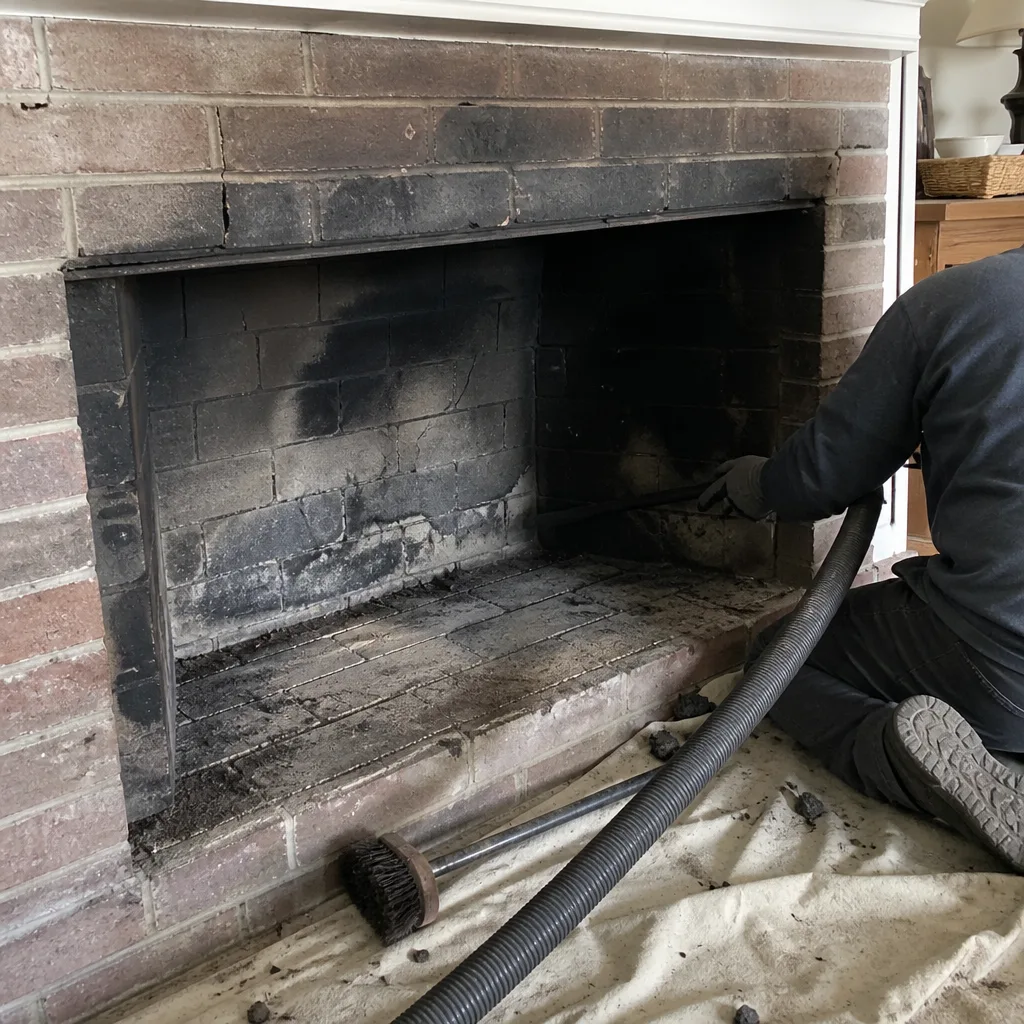 Before
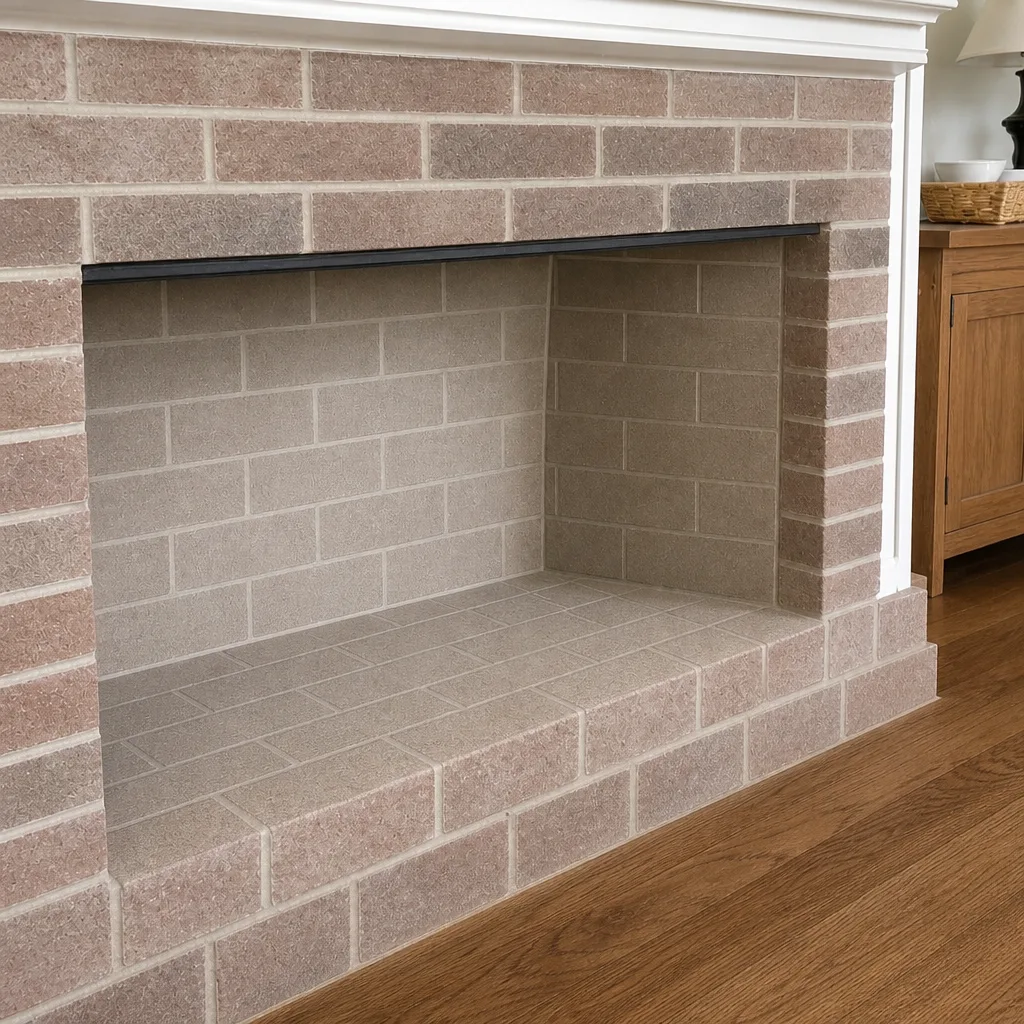 After
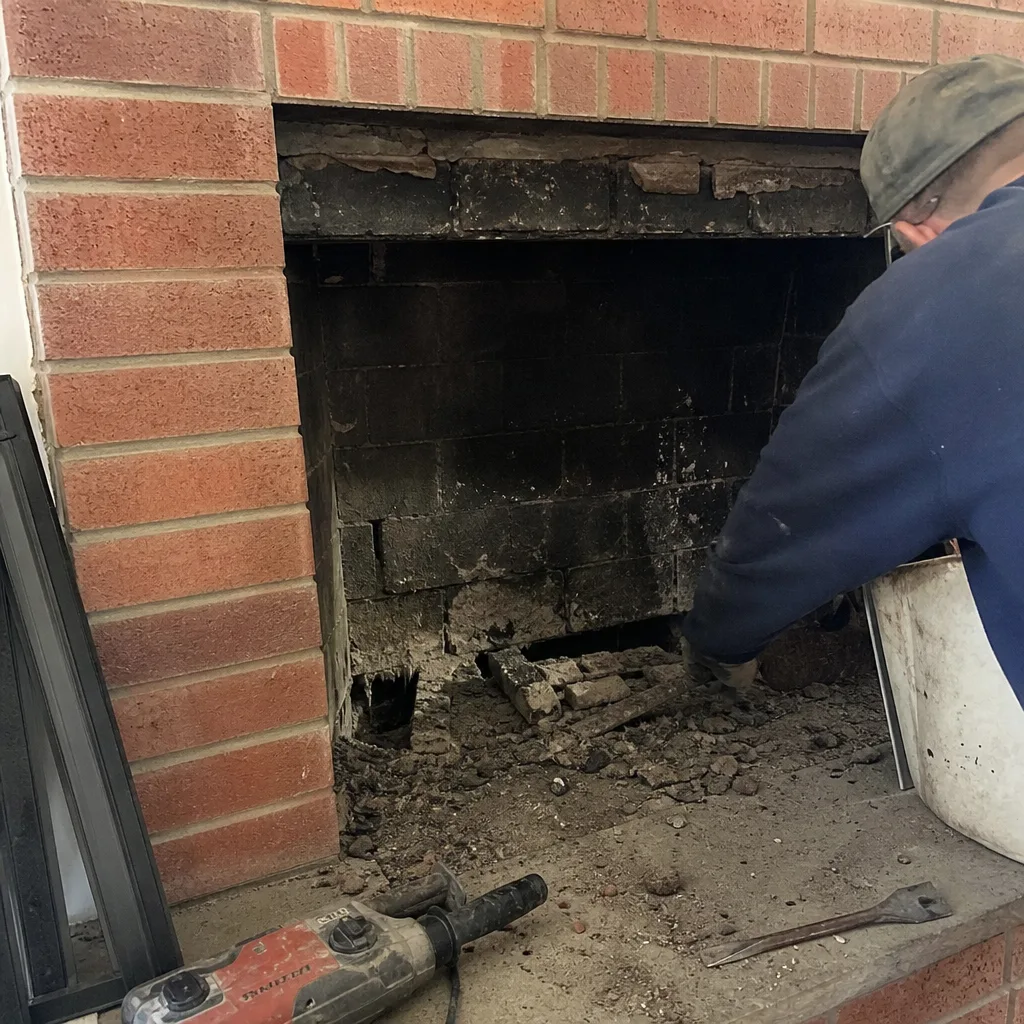 Before
 After
 Before
 After
When to Call a Professional
Some situations shouldn’t wait for the annual visit. Call a professional right away if you see any of the following. Smoke rolling back into the room when the fire is going, or flames that won’t draw upward. A strong, sharp smell when the fireplace is not running. Visible creosote at the top of the firebox or glazing on the flue. Damper plates that stick or won’t sit flat when closed. Water stains at the top of the firebox or ceiling near the chimney. Loose bricks or missing mortar in the firebox. A cap that’s visibly missing or pushed aside after a storm. Any of those means scheduling an inspection ahead of the annual cadence, and the honest answer to “can this wait another season” is: not on a damper or a liner. A crown crack is sometimes a season-wait item; a liner gap is not.
Goodwin Chimney Sweep offers free estimates in Murfreesboro – call (844) 372-0461. We can work with your insurer if a repair needs to be covered, and we show you what we find with camera evidence you can review yourself. The inspection is the same company that handles the repair, so there’s no referral runaround when a problem is found.
Frequently Asked Questions
Once a year for a wood-burning fireplace or wood stove, and once a year for an inspection on gas-log and prefab systems even though there’s less creosote to remove. Heavy burners, green or unseasoned wood, and older installations may benefit from a mid-winter check. If it’s been more than a year since your last service, book a chimney sweep before the next heating season and have the whole flue looked at, not just the firebox. Call (844) 372-0461 for an exact quote – estimates are free.
Not always – the answer depends entirely on what the camera inspection shows. Small cracks in a masonry flue are sometimes addressed with HeatShield resurfacing rather than a full liner install, and that’s a meaningful cost difference. A cracked or gapped metal liner usually needs replacement, and in an older or offset flue the replacement is typically a flexible liner (DuraFlex or Olympia Chimney). Nobody should tell you that you need a new liner without showing you the camera evidence. Call (844) 372-0461 to schedule the inspection – estimates are free.
Creosote builds up in stages, and the later stage – glazed, tar-like creosote – is a serious fire risk because it burns hot and can’t be brushed away. A liner that’s been slowly deteriorating has more time to crack and gap; a cracked crown has more time to let water in and widen. None of this fails in a day. It fails over several seasons of small increments that compound. Getting ahead of it is a much cheaper path than catching up. Call (844) 372-0461 for an exact quote on a sweep and inspection – estimates are free.
The main ones come down to Middle Tennessee’s weather cycles. Summer storms with wind and heavy rain are the usual cause of a shifted cap or lifted flashing, and the winter freeze-thaw cycle is what widens small cracks in a crown. Both are exterior items you can spot from the ground with binoculars between professional visits. The interior failure points – damper, liner, smoke chamber – are the same ones a Murfreesboro home shares with every other home in the region, and the camera inspection is how they’re found. Call (844) 372-0461 for an exact quote – estimates are free.
Yes, to a point. You can open and close the damper by hand at the hearth and look for smooth movement and a flat seal when it’s closed. You can check the crown from the ground with binoculars for visible cracks, and check the cap and spark screen from the ground too. What you shouldn’t do is climb the roof, reach into the flue, or attempt any repair. The professional visit is where the actual assessment happens, and the camera is the only way to see the whole flue. Call (844) 372-0461 to book.
Late summer, ideally July or August, because the fall calendar in Rutherford County tends to fill before the cold weather sets in. Booking early also leaves room to handle any repair the inspection turns up, so you’re not choosing between a repair and skipping the season. If you’re reading this in fall, book now – earlier is better than later, and a sweep done before the first fire is worth more than one done after the first cold week. Call (844) 372-0461 for an exact quote – estimates are free.
The Bottom Line
A chimney maintenance checklist only works if it matches your fireplace, your fuel, and your habits. Three separate checklists – wood, gas-log, prefab – is the right number. The damper, liner, and crown are the items most often missed and the ones that matter most. In Murfreesboro, the annual sweep and inspection should be booked before the fall crunch, and the exterior water-management items should be checked after summer storms. You can safely observe a lot between visits; you should never repair or climb. The camera inspection and written report is what turns a season of small findings into a record you can actually use. Sweep, inspection, and repair under one company keeps all of it in one place.
If it’s been a year or more since your last visit, or you’ve never had the flue looked at with a camera, book now. Call (844) 372-0461 for a free estimate. We answer 24/7. Fast dispatch from 7am to 7pm, Sunday through Friday.
Written by the team at Goodwin Chimney Sweep.